
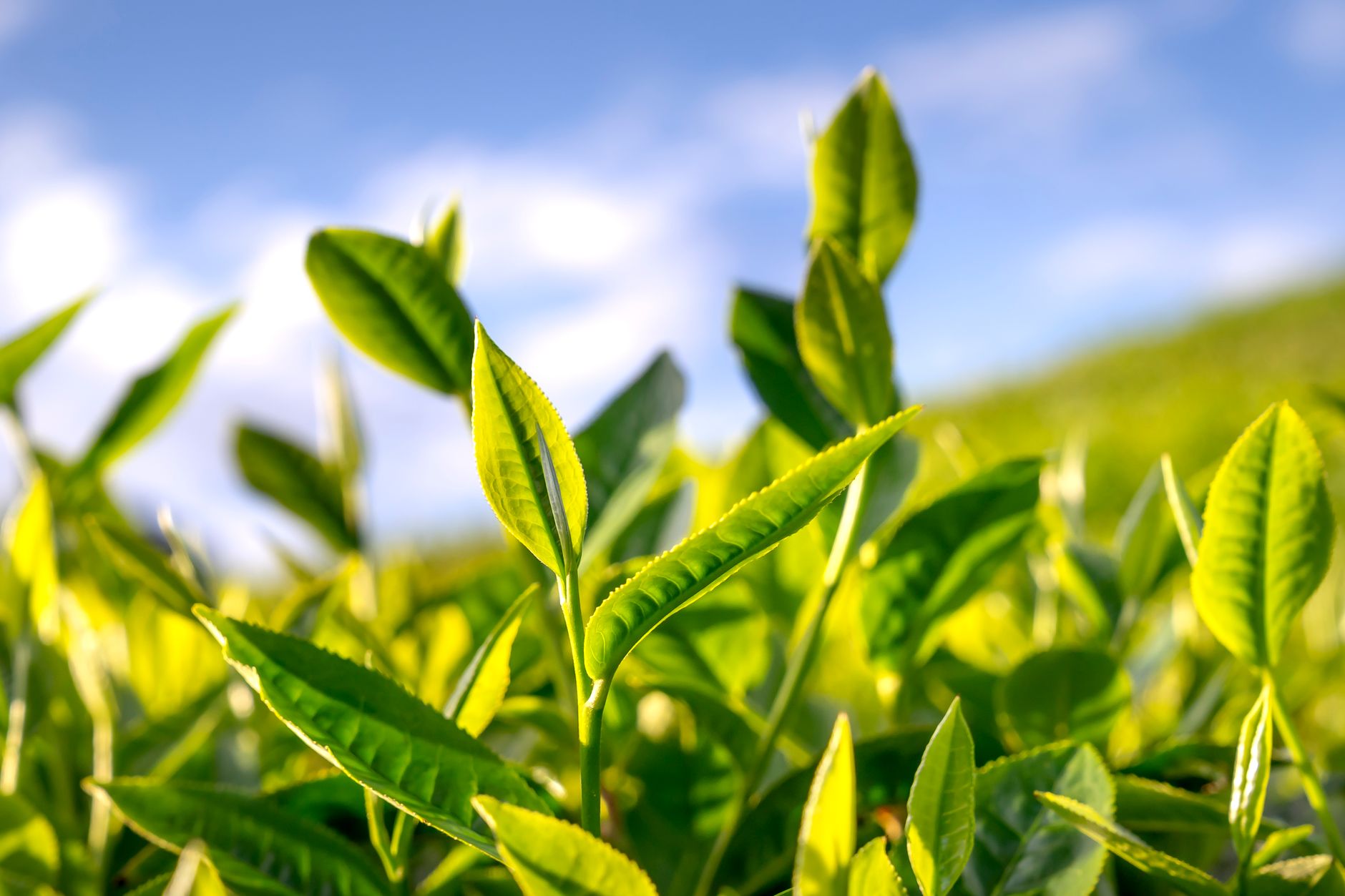
Tea is one of the most consumed beverages worldwide, with millions enjoying its unique flavors and potential health benefits. Among the variety of teas available, green and black tea are two of the most popular choices, each boasting distinct characteristics and merits. Understanding the differences between them will help you make informed decisions about which tea to incorporate into your daily routine.
This article delves into the health benefits, flavor profiles, caffeine content, and other factors to help you determine if green or black tea is better for you.
Is Green Or Black Tea Better For You?
Both green and black tea possess unique qualities and health benefits, but the better option depends on individual preferences and health goals. Green tea is often celebrated for its rich antioxidant content and potential metabolism-boosting properties, while black tea is known for its strong flavor and higher caffeine levels. Choose based on your personal taste and specific health objectives.
The Origins of Green and Black Tea
Understanding the origins of these teas plays a crucial role in appreciating their unique characteristics. Both green and black tea come from the Camellia sinensis plant, but their processing methods create distinct differences.
Green Tea
Green tea originates from Asian countries, primarily China and Japan. The leaves undergo minimal oxidation during processing, allowing them to retain their green color and fresh flavor. The process typically involves steaming or pan-firing the leaves to prevent oxidation, resulting in a tea rich in catechins, a type of antioxidant.
Black Tea
Black tea, on the other hand, is fully oxidized, resulting in a dark color and robust flavor. Originating from regions like India, Sri Lanka, and Africa, the leaves are allowed to wither and oxidize before being dried and packaged. This process intensifies the flavor and enhances the caffeine content, making black tea a popular choice for breakfast blends and stronger brews.
Health Benefits of Green and Black Tea
Both green and black teas are packed with beneficial compounds, but they offer different health benefits based on their unique chemical compositions.
Health Benefits of Green Tea
- Rich in Antioxidants: Green tea contains catechins, particularly epigallocatechin gallate (EGCG), which is linked to various health benefits, including reduced inflammation and improved heart health.
- Weight Management: Some studies suggest that green tea may help boost metabolism and fat oxidation, making it a popular choice for those looking to manage their weight.
- Cognitive Function: Green tea has been associated with improved brain function and a lower risk of neurodegenerative diseases due to its bioactive compounds.
- Blood Sugar Regulation: Green tea may help lower blood sugar levels and improve insulin sensitivity, which is beneficial for those dealing with diabetes.
Health Benefits of Black Tea
- Heart Health: Black tea may support heart health by improving cholesterol levels and promoting better blood vessel function.
- Antioxidant Properties: It contains flavonoids, which are antioxidants that can help combat oxidative stress and inflammation.
- Improved Gut Health: The polyphenols in black tea can positively influence gut health by promoting the growth of beneficial gut bacteria.
- Energy Boost: Black tea typically contains more caffeine than green tea, providing a natural and gentle energy boost without the jitters associated with coffee.
Caffeine Content Comparison
Caffeine is a significant factor for many tea drinkers, as it affects energy levels and alertness. Let’s examine the caffeine content in both green and black tea.
Caffeine in Green Tea
Green tea contains approximately 20-45 milligrams of caffeine per 8-ounce serving. This amount varies based on the type of green tea and preparation method. The lower caffeine content can be more suitable for individuals sensitive to caffeine or those who prefer milder stimulation.
Caffeine in Black Tea
On the contrary, black tea generally contains around 40-70 milligrams of caffeine per 8-ounce serving. This makes it a more robust choice for those needing a greater energy boost or for morning consumption to kickstart the day.
Flavor Profiles
The flavor of each tea is another essential consideration. The distinct taste can significantly influence your enjoyment and preference.
Green Tea Flavor
Green tea tends to have a fresh, grassy, and sometimes slightly vegetal flavor. Certain varieties, such as Japanese matcha, present a creamier, richer taste profile. Overall, green tea offers a more delicate flavor that can be refreshing.
Black Tea Flavor
Black tea is known for its strong, bold flavor, often complemented by malty or smoky notes. Depending on the variety, the taste can range from astringent to sweet. Some blends, like Earl Grey or chai, incorporate spices and aromatic flavors, enhancing the overall experience.
Choosing Between Green and Black Tea
Choosing between green and black tea depends on personal preferences and health goals. Here are some factors to consider when making your decision:
- Flavor Preference: If you prefer a light and grassy flavor, green tea is your best bet. For those who enjoy stronger, more robust flavors, black tea might be a better fit.
- Caffeine Sensitivity: If you’re sensitive to caffeine or looking for a lower-caffeine option, green tea is ideal. On the other hand, if you need an energy boost, black tea provides more caffeine.
- Health Goals: Consider your health goals, such as weight management, heart health, or cognitive function. Depending on your focus, one tea may offer more benefits than the other.
Brewing Tips for Maximum Benefits
The brewing process significantly impacts the flavor and health benefits of tea. Here are some practical tips for both green and black tea brewing:
Brewing Green Tea
- Use Fresh Water: Start with fresh, filtered water to enhance the tea’s flavor.
- Temperature Matters: Heat water to about 160-180°F (70-80°C) to prevent bitterness.
- Steep Time: Steep for 1-3 minutes to avoid over-extraction, which can lead to a bitter taste.
Brewing Black Tea
- Fresh Water: Like green tea, using fresh, filtered water is beneficial.
- Higher Temperature: Bring water to a boil, about 200-212°F (93-100°C), for optimal extraction.
- Steep Time: Steep black tea for 3-5 minutes, depending on personal taste preferences.
Popular Varieties of Green and Black Tea
To help you explore the flavors and benefits of green and black tea, consider these popular varieties:
Popular Green Teas
- Matcha: A finely ground, powdered green tea that offers a rich, creamy flavor and high antioxidant levels.
- Sencha: A Japanese green tea with a fresh, grassy flavor, making it one of the most popular varieties.
- Dragon Well (Longjing): This Chinese tea is known for its sweet, nutty flavor and exquisite aroma.
Popular Black Teas
- Darjeeling: Often referred to as the “Champagne of teas,” Darjeeling has a delicate, fruity flavor and is harvested in the foothills of the Himalayas.
- Assam: A robust black tea from India with malty undertones, perfect for breakfast blends.
- English Breakfast: A classic blend of black teas, it combines different varieties to yield a hearty and invigorating flavor.
Storage and Shelf Life
Proper storage helps maintain the freshness and flavor of your tea. Here are some recommendations for storing green and black tea:
- Keep It Dry: Store tea in a cool, dry place to prevent moisture absorption.
- Airtight Containers: Use airtight containers to protect against air and light exposure, which can degrade flavor.
- Check Expiry Dates: While dried tea can last for a long time, it’s best to check packaging for expiration dates and consume tea within a year for optimal flavor.
Making Tea Part of Your Diet
Incorporating tea into your daily routine can enhance your overall health. Here are some practical ways to enjoy green and black tea:
- Morning Ritual: Start your day with black tea for an energy boost or enjoy green tea mid-morning for a refreshing break.
- Tea-Based Recipes: Use brewed tea in smoothies, marinades, or even baked goods for added flavor.
- Tea as a Snack: Pair a cup of tea with healthy snacks like nuts or fruits for a satisfying afternoon treat.
Common Mistakes to Avoid
Even experienced tea drinkers can make mistakes that may impact flavor and health benefits. Here are common pitfalls to avoid:
- Oversteeping: Allowing tea to steep for too long can lead to a bitter or astringent taste.
- Using Too Hot Water: For green tea, boiling water can ruin the delicate flavor. Always respect the recommended water temperature.
- Storing in the Wrong Place: Avoid storing tea near strong odors or in a humid environment to maintain flavor integrity.
Conclusion
Ultimately, whether green or black tea is better for you depends on your taste preferences, caffeine sensitivity, and health goals. Both types offer unique flavors and beneficial properties, making them excellent additions to your diet. If you’re looking for an energy boost, black tea may be your better choice, while green tea could help with weight management and overall wellness.
To enhance your tea experience, you might consider trying out recipes such as a refreshing peppermint tea or exploring lymphatic drainage tea for added benefits. Each has its unique advantages that can complement your tea routine nicely. Enjoy the journey of discovering which tea aligns with your lifestyle and preferences!