
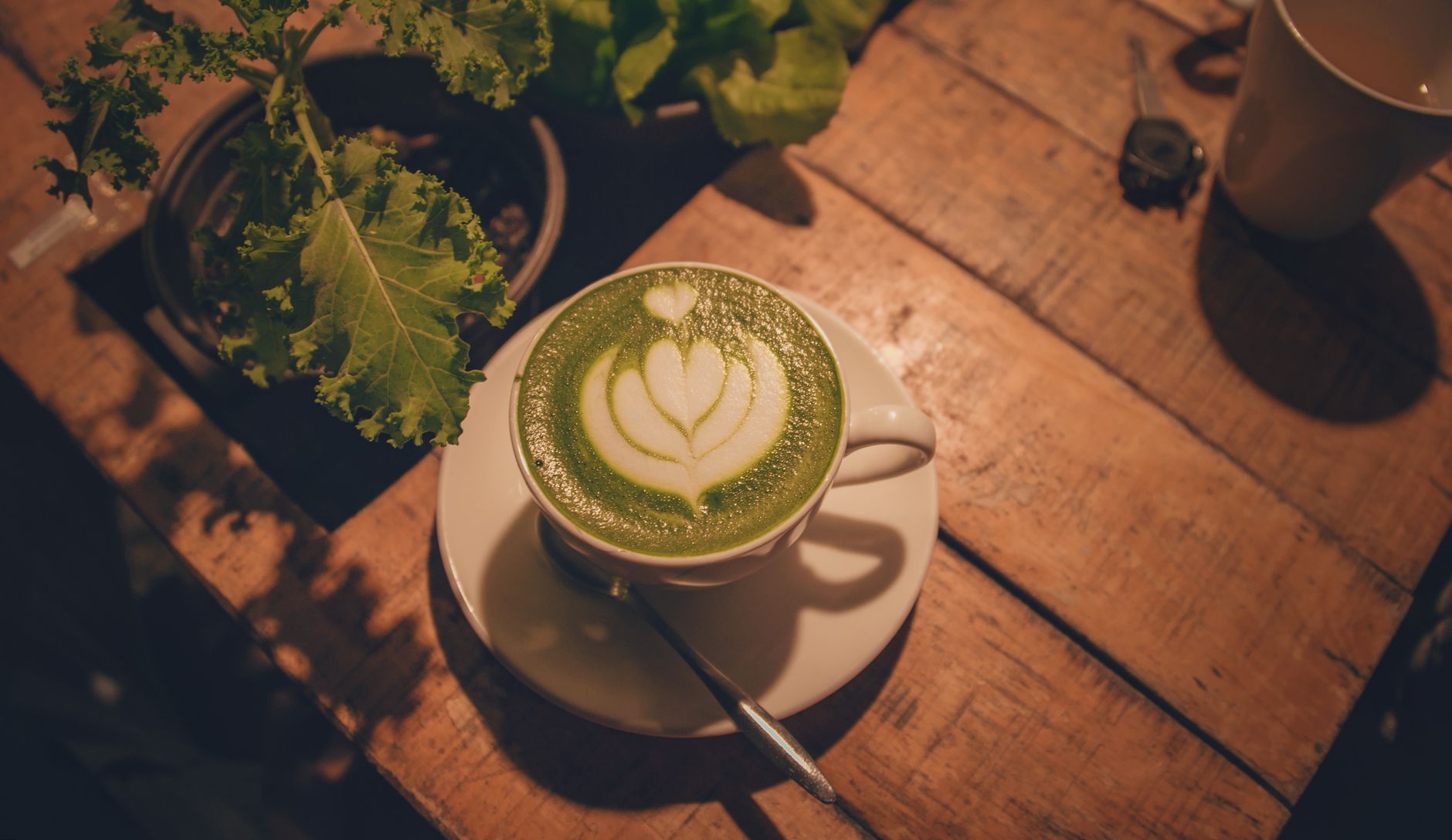
Matcha, a finely ground green tea powder with roots in Japanese culture, has gained popularity in recent years as a health-focused ingredient. But many parents wonder, is matcha good for kids? This article explores the benefits and considerations of incorporating matcha into children’s diets, including nutritional information and practical tips for use.
With its distinct flavor and vibrant color, matcha can be a delightful addition to various drinks and snacks. This guide aims to help parents understand matcha, its potential benefits for kids, and how to serve it safely and enjoyably.
Is Matcha Good For Kids?
Yes, matcha can be a healthy addition to a child’s diet when consumed in moderation. It offers antioxidants, vitamins, and minerals that can support overall health. However, parents should also consider the caffeine content and ensure that children consume matcha in appropriate portions.
What Is Matcha?
Matcha is made from shade-grown tea leaves that are carefully harvested and ground into a fine powder. Unlike traditional green tea, where the leaves are steeped in water and then discarded, matcha involves consuming the whole leaf, which contributes to its nutritional benefits.
Nutritional Profile of Matcha
Here is a general overview of the key nutrients found in matcha:
- Antioxidants, particularly catechins
- Vitamins A, C, E, and K
- Minerals like magnesium, calcium, and iron
- Small amounts of caffeine
- L-theanine, an amino acid that promotes relaxation
The concentrated nature of matcha means that even small servings can provide significant health benefits.
Benefits of Matcha for Kids
Introducing matcha to a child’s diet can offer several potential benefits:
1. Rich in Antioxidants
Matcha is known for its high antioxidant content, which may help protect cells from damage caused by free radicals. Antioxidants are essential for overall health and can support the immune system.
2. Supports Focus and Calmness
The combination of caffeine and L-theanine in matcha can promote improved mental clarity and focus, without the jitteriness often associated with caffeine. This can be beneficial for children in school settings.
3. Natural Energy Boost
Matcha can provide a gentle energy boost, making it a better alternative to sugary drinks. This can help children stay active and engaged throughout the day.
4. Nutrient Dense
Incorporating matcha can add valuable nutrients to a child’s diet, particularly in recipes like smoothies, energy balls, or baked goods. It can enhance the overall nutrient profile of various foods.
5. Flavor Enhancement
The unique flavor of matcha can be an exciting addition to various beverages and recipes, encouraging children to try new tastes and broaden their palates.
Considerations for Serving Matcha to Kids
While matcha has many benefits, there are some important considerations to keep in mind:
1. Caffeine Content
Matcha contains caffeine, which can affect children differently from adults. One teaspoon of matcha typically contains about 30-35 mg of caffeine. It’s crucial to monitor the total daily caffeine intake from all sources, especially for younger children.
2. Moderation is Key
Introducing matcha in small, controlled amounts is advisable. A good starting point for children might be one-quarter to one-half of a teaspoon per serving, while older children can gradually increase their intake.
3. Allergies and Sensitivities
As with any new food, parents should observe for any allergic reactions or sensitivities. Introduce matcha slowly and watch for any unusual effects.
4. Mixing with Other Ingredients
Combining matcha with other healthy ingredients can enhance its appeal and nutritional value. Examples include blending matcha with yogurt, fruit, or nut butters to create tasty snacks.
How to Prepare Matcha for Kids
Preparing matcha for kids can be simple, allowing for fun and creative ways to serve it. Here are some methods:
1. Matcha Milk
Mix matcha powder with milk (dairy or plant-based) for a creamy drink kids will enjoy.
- In a bowl, whisk ½ to 1 teaspoon of matcha powder with a small amount of hot water until smooth.
- Heat the milk and froth it, if desired.
- Combine the matcha mixture with milk, sweeten if needed, and serve chilled or warm.
2. Matcha Smoothie
Blend matcha into smoothies for an easy nutrition boost.
- Combine 1 frozen banana, 1/2 cup of yogurt (or dairy-free alternative), 1 teaspoon of matcha, and a cup of milk (or a milk alternative) in a blender.
- Blend until smooth, adjusting sweetness with honey or maple syrup if desired.
- Serve immediately.
3. Matcha Energy Balls
These no-bake snacks are perfect for on-the-go munching.
- 1 cup oats
- ¼ cup nut butter (peanut, almond, or sunflower seed)
- 3 tablespoons honey or maple syrup
- 1 teaspoon matcha powder
- Optional: chocolate chips, dried fruit, or nuts
- In a mixing bowl, combine all ingredients.
- Mix until well combined, then roll into small balls.
- Chill in the refrigerator for about 30 minutes before serving.
Common Mistakes to Avoid When Introducing Matcha
Here are some common pitfalls to avoid when serving matcha to children:
1. Overdoing It
Introduce matcha gradually. Start with small amounts and observe how your child reacts before increasing. Avoid serving large quantities or making it a daily staple too quickly.
2. Ignoring Caffeine Intake
Be mindful of your child’s caffeine consumption from all sources, including chocolate, tea, or soda. Track daily intake to prevent overconsumption.
3. Not Balancing Flavors
Matcha has a distinct grassy taste that may not appeal to every child. Balancing it with sweet or fruity components can help mask the flavor while making it more enjoyable.
Where to Buy Matcha and How to Choose Quality
When selecting matcha for kids, consider the following:
1. Opt for Culinary Grade Matcha
Culinary grade matcha is suitable for cooking and baking, and it generally offers a milder flavor compared to ceremonial grade, making it better for children.
2. Look for Organic Options
Purchasing organic matcha can help ensure that it is free from pesticides and other harmful chemicals. Always check labels and source quality products.
3. Choose Fresh Matcha
Check the packaging date. Matcha is best when fresh, as its flavor and nutritional value can diminish over time. Look for vibrant green color, which indicates freshness.
Fun Ways to Incorporate Matcha Into Snacks and Desserts
Getting creative with matcha can make it more appealing for kids. Here are a few more ideas:
1. Matcha Pancakes
Add matcha powder to pancake batter for a vibrant breakfast twist. Just incorporate a teaspoon into your favorite pancake recipe.
2. Matcha Cookies
Bake matcha cookies using the same base as your classic chocolate chip cookies by substituting a teaspoon of matcha for some of the flour. This adds color and flavor without being overpowering.
3. Matcha Yogurt Parfaits
Layer yogurt, granola, and a sprinkle of matcha for a visually appealing and delicious breakfast or snack.
Conclusion
Matcha can be a nutritious and exciting addition to children’s diets when introduced thoughtfully. Its antioxidant properties, unique flavor, and potential for supporting focus make it a worthwhile alternative to sugary snacks. Always ensure moderation and balance in their diet, keeping an eye on the caffeine content.
For parents looking to explore more ways to enjoy matcha, check out our recipes for a Starbucks Lavender Matcha and a delicious Lavender Matcha Latte that can be delightful indulgences.