
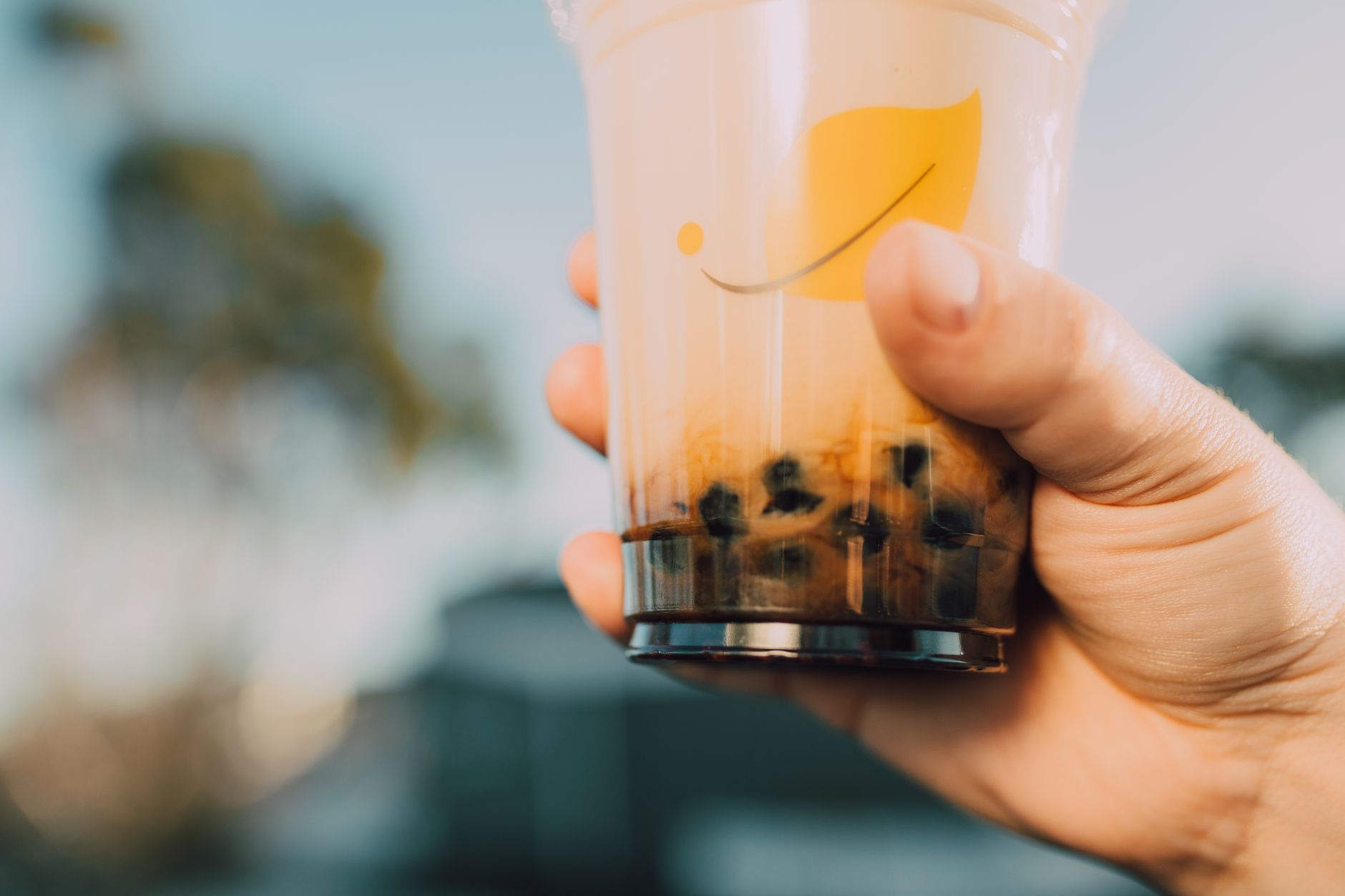
Boba tea, also known as bubble tea, has gained immense popularity in recent years, especially among younger generations. Its delightful combination of sweetened tea, milk, and chewy tapioca pearls creates a unique flavor and texture experience. However, as its popularity grows, many people find themselves wondering: is boba tea good for you?
This guide will explore the nutritional aspects, health benefits, and potential drawbacks of boba tea to help you make informed choices about incorporating it into your diet. We’ll also provide helpful tips for enjoying boba tea in healthier ways.
Is Boba Tea Good For You?
Boba tea can offer both benefits and drawbacks, depending on its ingredients and how it’s prepared. While it contains tea and may boost your mood, the added sugars and calories from syrups, sweeteners, and tapioca pearls can make it a less healthy option if consumed in excess. Moderation and smart ingredient choices can help you enjoy boba tea while minimizing health concerns.
Understanding Boba Tea: The Basics
Boba tea originated in Taiwan in the 1980s and has since become a global sensation. It’s typically made with a flavored tea base, milk or cream, and chewy tapioca pearls, also known as boba. The drink is often served cold with a wide straw to accommodate the pearls. Different variations include fruit-flavored boba tea, smoothies, and even slushies.
The Primary Ingredients
- Tea: Green tea, black tea, or flavored teas serve as the base.
- Tapioca Pearls: Chewy balls made from cassava starch, providing texture and flavor.
- Milk or Non-Dairy Alternatives: Whole milk, almond, coconut, or oat milk are common choices.
- Sweeteners: Sugar, fruit syrups, and honey are often added to enhance flavor.
- Toppings: Other toppings can include fruit jelly, popping boba, or even whipped cream.
Health Benefits of Boba Tea
Despite some concerns regarding its calorie content, boba tea can offer certain health benefits when enjoyed in moderation and with mindful ingredient choices. Here are several areas where boba tea may provide benefits:
1. Rich in Antioxidants
The tea base used in boba tea is an excellent source of antioxidants, which combat oxidative stress in the body. These antioxidants can help improve overall health and may reduce the risk of chronic diseases.
2. Hydration
Boba tea’s tea base contributes to hydration. Since it consists mainly of water, drinking it can help keep you hydrated, particularly when consumed in moderation.
3. Energy Boost
The caffeine found in many tea bases can provide a quick energy boost, helping to improve alertness and focus throughout the day.
4. Variety of Flavor Options
With numerous flavor options ranging from fruity to creamy, boba tea can satisfy various taste preferences, making it a more enjoyable beverage choice compared to sugary sodas.
5. Social Experience
Boba tea shops offer a fun and interactive experience, creating a sense of community as friends come together to enjoy their favorite drinks.
Potential Drawbacks of Boba Tea
While boba tea has benefits, there are some potential drawbacks to consider, especially concerning its nutritional content. Awareness of these aspects can help you make healthier choices.
1. High in Sugar
Many boba teas contain significant amounts of added sugars, often from syrups and sweeteners. Consuming high-sugar beverages can contribute to weight gain, increased blood sugar levels, and other oral health issues.
2. Caloric Content
A typical serving of boba tea can contain anywhere from 300 to 600 calories, depending on portion size and added ingredients. Consuming boba tea regularly can lead to excess calorie intake, which may hinder weight management.
3. Tapioca Pearls and Nutritional void
Tapioca pearls primarily consist of carbohydrates and lack essential nutrients. While they provide a unique texture, they do not significantly contribute to nutritional intake.
4. Caffeine Sensitivity
Some individuals may be sensitive to caffeine, leading to jitters, anxiety, or sleep disturbances. It’s important to monitor your caffeine intake from all sources, including boba tea.
5. Potential Allergens
Those with certain allergies, particularly to milk or gluten, should be cautious with prepared boba tea, as some varieties may contain ingredients that trigger allergic responses.
Making Healthier Choices with Boba Tea
You don’t have to give up boba tea altogether to enjoy its delightful flavors. Instead, making informed choices can help you enjoy it while minimizing adverse health effects. Here are some practical tips:
1. Opt for Less Sugar
Ask for less syrup or sweetener in your boba tea. Many shops allow customization, and reducing sugar can significantly lower the caloric content of your drink.
2. Choose Healthier Milk Alternatives
Consider using non-dairy alternatives such as almond or coconut milk, which can reduce calories and avoid dairy-related allergens. These options can also add unique flavors to your drink.
3. Control Portion Size
Order a smaller size to help manage your calorie and sugar intake. This way, you still get to enjoy boba tea without overindulging.
4. Select Toppings Wisely
Instead of adding more tapioca pearls, consider fruit jellies or other fruit-based toppings for added flavor with less caloric impact.
5. Balance with Nutrient-Dense Foods
If you plan to treat yourself to boba tea, balance the rest of your meals with nutrient-dense foods, such as fruits, vegetables, whole grains, and lean proteins, to ensure you’re meeting your dietary needs.
How to Make Boba Tea at Home
One way to enjoy boba tea while controlling its nutritional content is to prepare it at home. Here’s a simple recipe to guide you in making your own boba tea:
Estimated Yield
This recipe makes two servings of boba tea.
Preparation Time
15 minutes (plus additional time to cook tapioca pearls).
Cooking Time
25 minutes for tapioca pearls.
Total Time
40 minutes.
Ingredients
- 1 cup tapioca pearls (dry)
- 4 cups water (for cooking tapioca)
- 2 cups brewed black or green tea (cooled)
- 1 cup milk or non-dairy milk
- 2 to 4 tablespoons sweetener of choice (adjust to taste)
- Ice cubes (optional)
Essential Equipment
- Large pot for boiling
- Saucepan for brewing tea
- Measuring cups and spoons
- Stirring spoon
- Wide straws for serving
Step-by-Step Method
- Cook tapioca pearls according to the package instructions, usually by boiling them in water for about 25 minutes until they are soft and chewy. Stir occasionally to prevent sticking.
- Once cooked, drain the pearls and rinse them under cold water to remove excess starch. Let them cool before using.
- Brew your tea of choice in a saucepan, allowing it sufficient time to steep for optimal flavor. Once brewed, let it cool.
- In a separate container, mix the cooled tea with milk and sweetener. Stir well to combine.
- In serving glasses, add a couple of tablespoons of tapioca pearls and fill the glass with the tea-milk mixture. Add ice cubes if desired.
- Serve with wide straws and enjoy your homemade boba tea!
Substitutions and Variations
Feel free to experiment with different flavors and ingredients to customize your boba tea experience:
- Fruit Flavored Tea: Use fruit teas such as peach, mango, or passion fruit for a refreshing twist.
- Herbal Teas: Hibiscus tea or rooibos can be delicious, caffeine-free alternatives.
- Non-Dairy Milk: Almond, oat, or cashew milk can replace regular milk for a vegan or lower-calorie option.
- Sweetener Alternatives: Use honey, agave syrup, or natural sweeteners like stevia or monk fruit for a healthier option.
Common Mistakes to Avoid
When making boba tea at home or ordering from a shop, be mindful of these common pitfalls:
- Not allowing the tea to cool adequately before mixing with milk, which can lead to an unappetizing temperature.
- Using too much sugar or sweetener, making it overly sweet and unhealthy.
- Overcooking the tapioca pearls, resulting in a mushy texture instead of chewy.
Storing Boba Tea and Tapioca Pearls
While fresh boba tea is best enjoyed immediately, you can store the components to prepare your drink later:
- Tapioca Pearls: Store cooked tapioca pearls in a sealed container at room temperature for a few hours. If left longer, they may harden and lose their chewyness.
- Tea and Milk Mixture: You can store leftover tea and milk mixture in the refrigerator for up to 24 hours. Just be sure to re-stir before serving.
Final Thoughts on Boba Tea
Boba tea can be enjoyed in moderation as part of a balanced diet. By understanding its nutritional content and making mindful choices regarding ingredients and portion sizes, you can enjoy the delightful drink while minimizing health concerns. Making it at home allows you to customize both flavors and nutritional content, leading to a more satisfying experience.
For those interested in trying different variations of boba tea, check out our strawberry popping boba recipe or learn more with our taro boba recipe. Enjoy your journey into the world of boba tea!