
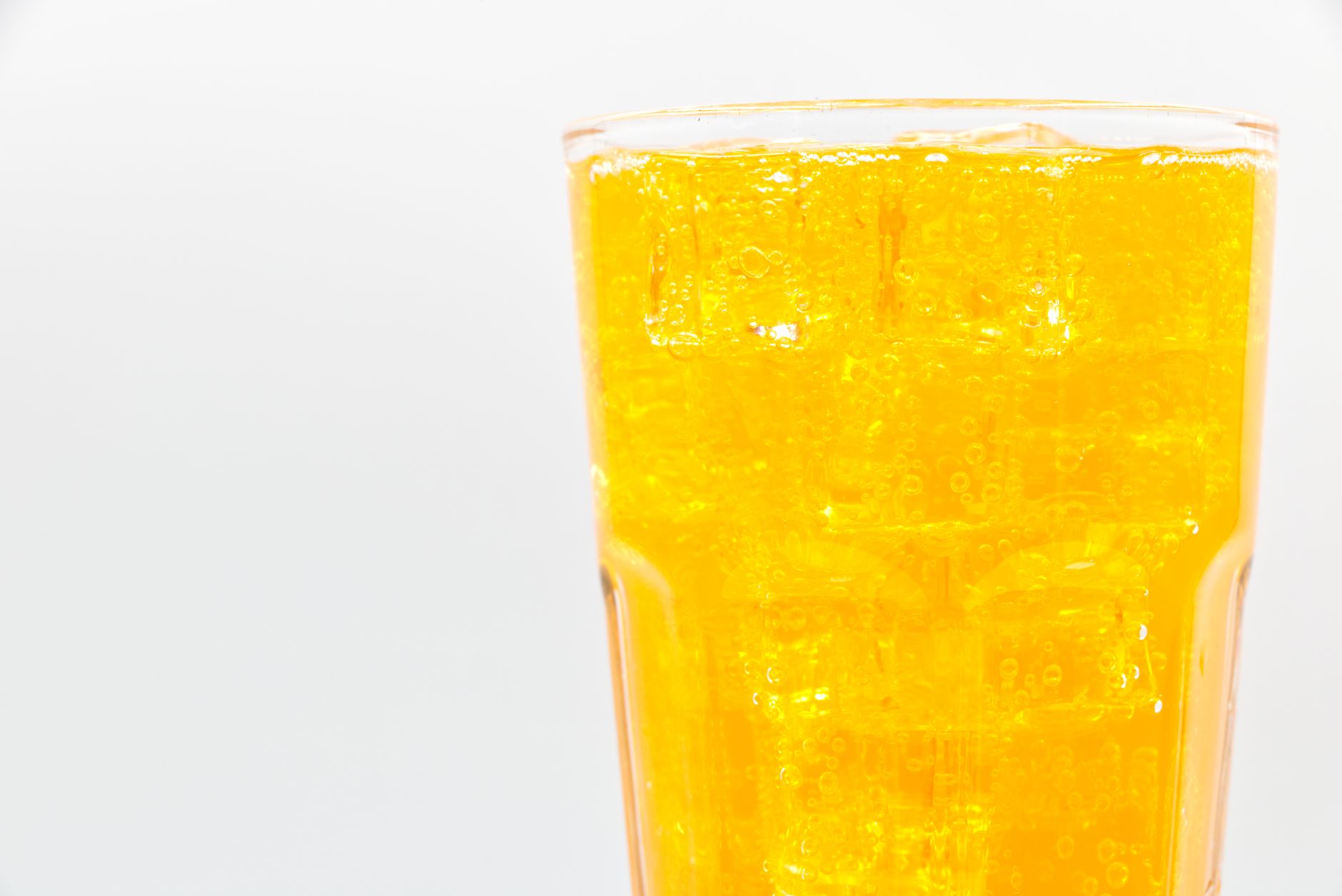
Fanta is a beloved soft drink that has become a staple in various cultures worldwide. Known for its vibrant flavors and colorful branding, it started as a practical solution during a challenging time in history. Understanding how Fanta was created reveals not only its intriguing origins but also the evolution of flavors that have turned it into the beverage we enjoy today.
This article delves into the history of Fanta, exploring its origins, the ingredients that define it, and how it has evolved over the years. Whether you’re a fan of this fruity fizz or simply curious about its background, this guide offers insights into the drink’s creation and its place in the beverage industry.
How Was Fanta Created?
Fanta was created in Germany during World War II when Coca-Cola’s operations were disrupted. The beverage was developed to provide a refreshing alternative to Coca-Cola, which could not be produced due to ingredient shortages. The first Fanta flavor was orange, devised using locally available ingredients, which laid the foundation for the brand’s success worldwide.
The Historical Context of Fanta’s Creation
To fully understand the creation of Fanta, one must look back to the 1940s. The Second World War imposed restrictions and shortages on various materials, including sugar and the essential ingredients for Coca-Cola. As a result, Coca-Cola’s German bottling plant needed to innovate to survive.
In 1940, Max Keith, the head of Coca-Cola’s German division, began developing an alternative soft drink using what was readily available in Germany. This included whey and apple pomace (the pulp remaining after pressing apples for juice). The result was a new beverage that was fruity and refreshing, meant to satisfy the longing for soft drinks during the war. The name “Fanta” was derived from the German word “Fantasie,” meaning imagination, reflecting the creativity required to create the drink.
Ingredients and Prototyping
The original formula for Fanta was primarily based on two main ingredients: whey and apple pomace, which added a unique flavor and sweetness to the drink. The combination provided Fanta with a somewhat distinct character compared to existing cola drinks. This creative use of local ingredients was essential to the product’s viability during the wartime economy.
Once Fanta’s identity was established, additional flavors were explored. The success of the initial orange Fanta led to a range of fruit flavors such as strawberry, lemon, and grape, each bringing its own taste profile to the table, further broadening the brand’s appeal. Today, Fanta has a diverse portfolio of flavors, but orange remains the flagship flavor around the globe.
The Evolution of Fanta
After the war, Fanta gained popularity across Europe and beyond. The drink’s refreshing quality and creatively derived flavor made it a preferred choice among consumers. With Coca-Cola regaining its foothold after the war, Fanta became part of its extensive product line, further solidifying its presence in the global beverage market.
In the 1960s and 1970s, Fanta diversified even more as Coca-Cola continued innovating within its product range. Fanta’s marketing strategies adapted over time, focusing on younger consumers and emphasizing fun and playfulness. This branding became crucial as the drink positioned itself as a vibrant, citrus soda suitable for a wide demographic, especially children and young adults.
Fanta’s Ingredients: What Makes It Unique?
The ingredients used in Fanta have changed slightly over the years to adapt to modern tastes and health trends. However, the essence of what initially made Fanta appealing remains. The primary components of Fanta include:
- Carbonated Water: The foundation of most soft drinks, providing effervescence and a refreshing quality.
- High Fructose Corn Syrup or Sugar: The sweetener that satisfies the palate, with changes made to conform to regional preferences and dietary trends.
- Citric Acid: Adds tartness and balances the sweetness, enhancing the overall flavor profile.
- Natural Flavors: Derived from fruits and plants, these give Fanta its distinctive fruity character.
- Coloring Agents: Added for visual appeal, though some variants now pride themselves on using natural color sources.
Current Popularity and Flavors
Today, Fanta is one of the most recognized and consumed soft drinks globally. Its eclectic range of flavors varies by region. For example, in the United States, orange stands out, whereas in parts of Asia, exotic flavors such as lychee and mango may be available. The ability to localize its flavors has helped cement Fanta’s place in international markets.
Popular Fanta Flavors Around the World
- Fanta Orange: The classic flavor that started it all, renowned for its sweet and tangy taste.
- Fanta Grape: A bold, sweet flavor that captivates grape soda enthusiasts.
- Fanta Strawberry: A fruity option that appeals to those who enjoy berry flavors.
- Fanta Pineapple: A tropical variant that brings the taste of the islands to the consumer.
- Fanta Mango: A tropical delight that highlights the popularity of mango in many regions.
Modern Manufacturing Practices
The manufacturing process of Fanta today involves advanced technology to ensure quality and consistency. The creation of Fanta involves several key steps:
- Ingredient Sourcing: All ingredients are sourced based on regional tastes and local regulations, ensuring compliance with health standards.
- Mixing: The carbonated water, sweeteners, and flavorings are carefully blended to create the consistent flavor profile Fanta is known for across the globe.
- Carbonation: The mixture is carbonated under pressure, enhancing the drink’s crispness and refreshing nature.
- Quality Control: Samples of each batch are tested to ensure they meet the company’s high standards. This can include taste testing and laboratory analysis.
- Packaging: Once approved, the beverage is bottled or canned and packaged for distribution, adherent to recycling and environmental concerns.
Fanta’s Influence on Beverage Culture
Fanta has significantly influenced the soft drink market and beverage culture worldwide. Its vibrant marketing strategies and innovative flavor offerings have changed how consumers view soft drinks.
The drink’s playful branding has also positioned it as a fun option for various occasions. This association extends to parties, picnics, and social gatherings, making Fanta more than just a drink but a symbol of enjoyment and celebration.
Fanta in Popular Culture
Fanta’s recognition extends beyond its refreshing taste and playful branding. Notably, its advertising campaigns have often embraced vibrant colors and upbeat music, making it a favorite among young consumers. The drink is frequently featured in social media trends, showcasing its connection to modern lifestyles.
Cultural references to Fanta can also be found within music and film, where it’s often shown as an accessible and fun beverage option. Its global reach ensures that Fanta remains relevant across various cultures, reinforcing its legacy.
Homemade Fanta: A Recipe to Try
While nothing beats the classic Fanta experience, making a homemade version can be a fun project for those interested in crafting their own beverages. Here’s a basic recipe to create a refreshing orange soda reminiscent of Fanta.
Ingredients
- 1 cup fresh orange juice
- 2 tablespoons lemon juice
- 3 cups sparkling water
- 1/2 cup sugar (or to taste)
- Ice for serving
- Orange slices for garnish
Equipment
- Large mixing bowl
- Measuring cups and spoons
- Pitcher
- Spoon for mixing
Instructions
- In a large mixing bowl, combine the fresh orange juice and lemon juice.
- Add sugar to the fruit juices and mix until fully dissolved.
- Slowly mix in the sparkling water, ensuring you maintain the carbonation.
- Taste the mixture and adjust the sugar or juice as preferred.
- Serve over ice in tall glasses and garnish with orange slices.
Tips for a Delicious Homemade Soda
- Choose ripe oranges for the best flavor and sweetness.
- Experiment with different citrus juices for unique flavor combinations.
- Consider adding a splash of grenadine for a colorful twist.
- Serve immediately to enjoy the fizz at its peak.
Common Mistakes When Making Homemade Soda
- Using bottled orange juice instead of fresh can lessen flavor quality.
- Adding sparkling water too quickly may cause excessive foaming.
- Skipping the taste test may lead to an unbalanced beverage.
Fanta’s Unique Flavor Profile and Substitutes
If you enjoy creating your own soft drinks or are looking for alternatives to classic Fanta, consider the following substitutes when experimenting with flavors:
- Fruit Juices: You can play around with various fruit juices such as mango or passionfruit for tropical twists.
- Sweeteners: Honey or agave syrup can serve as natural replacements for sugar, affecting sweetness levels.
- Herbs and Spices: Mint or basil can be added to citrus drinks for an aromatic touch.
Challenges with Homemade Fanta
While making your own version of Fanta can be refreshing and fun, it may not replicate the exact taste of the commercial product. Potential challenges include:
- Carbonation: Achieving the right level of fizziness can be tricky with homemade recipes.
- Flavor balance: It might take a few attempts to find the sweetness and tartness level that suits your taste.
- Ingredient availability: Finding fresh fruit or specific ingredients may be a barrier, depending on your region.
Storing Fanta and Homemade Soda
Commercially produced Fanta is designed to be shelf-stable and can be stored in a cool, dry place. After opening, it’s best consumed within a few days for optimal taste and carbonation.
Homemade soda, on the other hand, is best stored in the refrigerator and is ideal for consumption within a short time frame, typically 1-2 days. If left for extended periods, the soda may lose its fizz and flavor quality.
Conclusion
The story of Fanta’s creation is a testament to innovation during challenging times. From its humble beginnings in wartime Germany to becoming a global soft drink sensation, Fanta represents creativity in beverage development. By understanding its roots, flavors, and even trying your hand at making a homemade version, you can appreciate this drink far more.
Explore more about making refreshing homemade beverages, like ginger ale or root beer, to diversify your drink options. From homemade recipes to fun drink preparations, there are endless opportunities to spice up your beverage game. Check out our ginger ale recipe and best homemade root beer recipe for more ideas!