
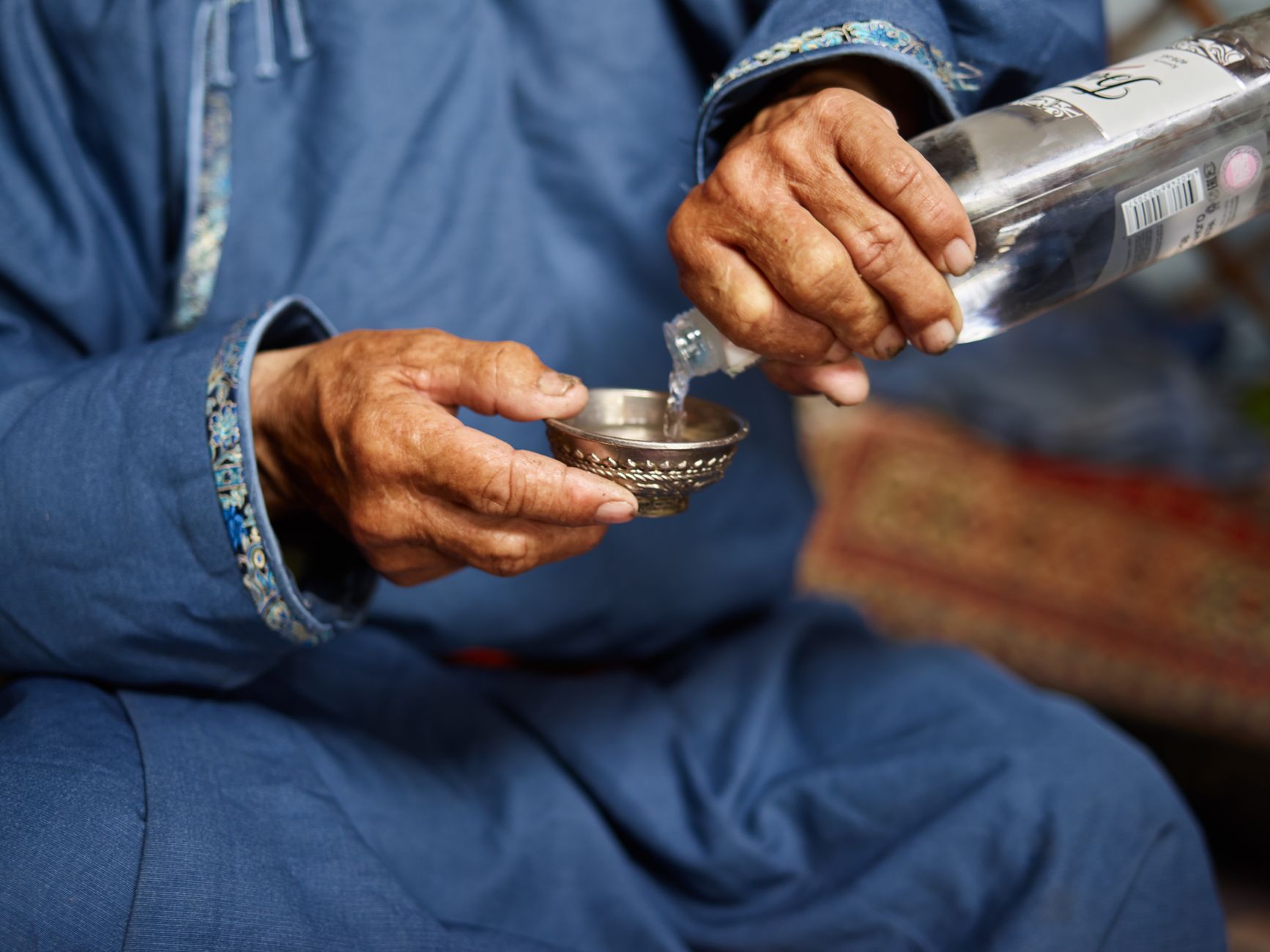
Making homemade vodka can be a rewarding and enjoyable process for those intrigued by the art of distillation. With the right ingredients, equipment, and techniques, you can produce a spirit that’s both unique and satisfying. This guide details everything you need to know about creating your own vodka at home.
From selecting your base ingredient to final distillation, understanding the steps involved will help you achieve a quality product. Prepare yourself to explore the world of vodka-making, perfect for those looking to impress friends or simply enjoy a personal creation.
How To Make Homemade Vodka?
To make homemade vodka, you’ll need a base ingredient (like potatoes or grains), water, yeast, and equipment for fermentation and distillation. The process involves mashing the base, fermenting the mixture, and then distilling it to achieve the desired alcohol content.
Understanding Vodka: The Basics
Vodka is a neutral spirit that typically contains 40% alcohol by volume (ABV). It can be made from various ingredients including grains, potatoes, or even fruits. The choice of base material influences the final taste and character of the vodka. Potato vodka, for example, can be creamy and smooth, while grain vodka often has a cleaner and sharper profile.
Ingredients Needed
- Base Ingredient:
- Potatoes (around 10 lbs) or
- Grains such as wheat or corn (about 6 lbs)
- Water (distilled or filtered is preferable, approximately 5 gallons)
- Yeast (distilling yeast, about 1 packet or 5g)
- Sugar (optional, about 1 lb, to boost fermentation)
Essential Equipment
- Fermentation vessel (preferably glass or food-grade plastic, 5-gallon capacity)
- Distillation apparatus (can be a pot still or column still)
- Hydrometer (to measure specific gravity)
- Siphon or tubing for transferring liquids
- Clean bottles for storage
The Vodka-Making Process
Homemade vodka production can be broken down into several key steps: mashing, fermentation, distillation, and filtering. Here’s how to execute each step effectively.
Step 1: Mashing the Base Ingredient
- Prepare the base: If using potatoes, wash and peel them, cutting them into smaller pieces. For grains, you may need to mill them into a coarse powder to increase surface area.
- Cook: For potatoes, boil them until soft. For grains, you will need to heat water (about 2 gallons) to around 150°F (65°C) and then add the milled grains.
- Hold the mixture at this temperature for about 1 hour. This process converts the starches into fermentable sugars.
- Cool the mash: Allow the mash to cool to about 70°F (21°C) before proceeding.
Step 2: Fermentation
- Transfer the cooled mash into your fermentation vessel. Strain it if necessary to remove solid components.
- Add sugar if using, and then pour in approximately 5 gallons of water.
- Sprinkle in the yeast on top of the mash. Allow it to sit for about 15 minutes before stirring gently to distribute the yeast.
- Seal the fermentation vessel with an airlock to allow gases to escape while preventing contaminants from entering.
- Ferment for about 1 to 2 weeks. Check for the bubbling sound or change in specific gravity to confirm fermentation is occurring.
Step 3: Distillation
After fermentation is complete, it’s time to distill the mash to concentrate the alcohol.
- Prepare your distillation apparatus according to the manufacturer’s instructions.
- Pour the fermented mash into the still. Ensure it’s not too full, as the liquid needs space to bubble.
- Heat the still slowly. Monitor the temperature; alcohol vaporizes at around 173°F (78°C).
- As distillation occurs, you will notice two fractions: the heads (the first part of the distillate, containing undesirable compounds) and the hearts (the desired product).
- Collect approximately 60-70% of the distillate. Be cautious to separate the heads, which can contain methanol; keep it aside.
- Continue distilling the remaining mash for more product if desired and to collect the tails (the lower quality part).
Step 4: Filtering and Bottling
- Cool the distillate to room temperature. You will now have a high-proof spirit.
- Filter the vodka: You can use charcoal filtering methods to smooth out any harsh flavors. Simply run the vodka through activated carbon or a coffee filter multiple times.
- Dilute the distilled product with distilled water to reach your desired proof. A common dilution ratio is 1 part water to 3 parts vodka.
- Funnel the finished vodka into clean bottles. Make sure to label them with the date.
Common Mistakes to Avoid
While making vodka at home can be fulfilling, it’s essential to avoid some common pitfalls:
- Not monitoring fermentation temperature. Keeping the temperature too high can kill the yeast, while too low may prevent fermentation entirely.
- Collecting too much heads during distillation. Discard the first few ounces to avoid any harmful compounds.
- Neglecting to filter the vodka. This can result in off-flavors and aromas.
- Rushing the process. Patience is vital; allow each stage to occur fully.
Flavor Variations and Infusions
Once you have mastered the basics of vodka production, you can experiment with flavors and infusions to create something entirely your own. Here are a few ideas:
- Citrus Infusion: Add peels of lemons, limes, or oranges during the filtering stage for a refreshing citrus note.
- Herb Infusion: Fresh herbs like basil, rosemary, or mint can lend an aromatic profile when steeped in the vodka post-distillation.
- Spiced Vodka: Infuse with whole spices such as peppercorns or cinnamon sticks for a warming drink.
Storage and Enjoying Your Homemade Vodka
Once bottled, store your vodka in a cool, dark place, or refrigerate it to enjoy chilled. Homemade vodka can be used in various cocktails or served with mixers like tonic or fruit juices. Remember that the quality of your ingredients and the attention to detail in your process will greatly enhance the final product.
Legal Considerations
Before embarking on making vodka at home, it is crucial to check the local regulations regarding distillation. In many places, home distilling is illegal without a license due to safety concerns related to alcohol production. Always consult local laws and obtain necessary permits if required.
With the appropriate knowledge, ingredients, and equipment, homemade vodka can be a fun project. Experimentation can lead to delicious variations and personal creations that you can share with friends and family.
For those interested in exploring more about vodka, consider learning how to make potato vodka or discovering fun cocktail recipes like a vodka Red Bull. Each adventure in the kitchen broadens your culinary horizons.
For more information, check out these detailed guides: Potato Vodka Recipe and Vodka Red Bull Recipe.