
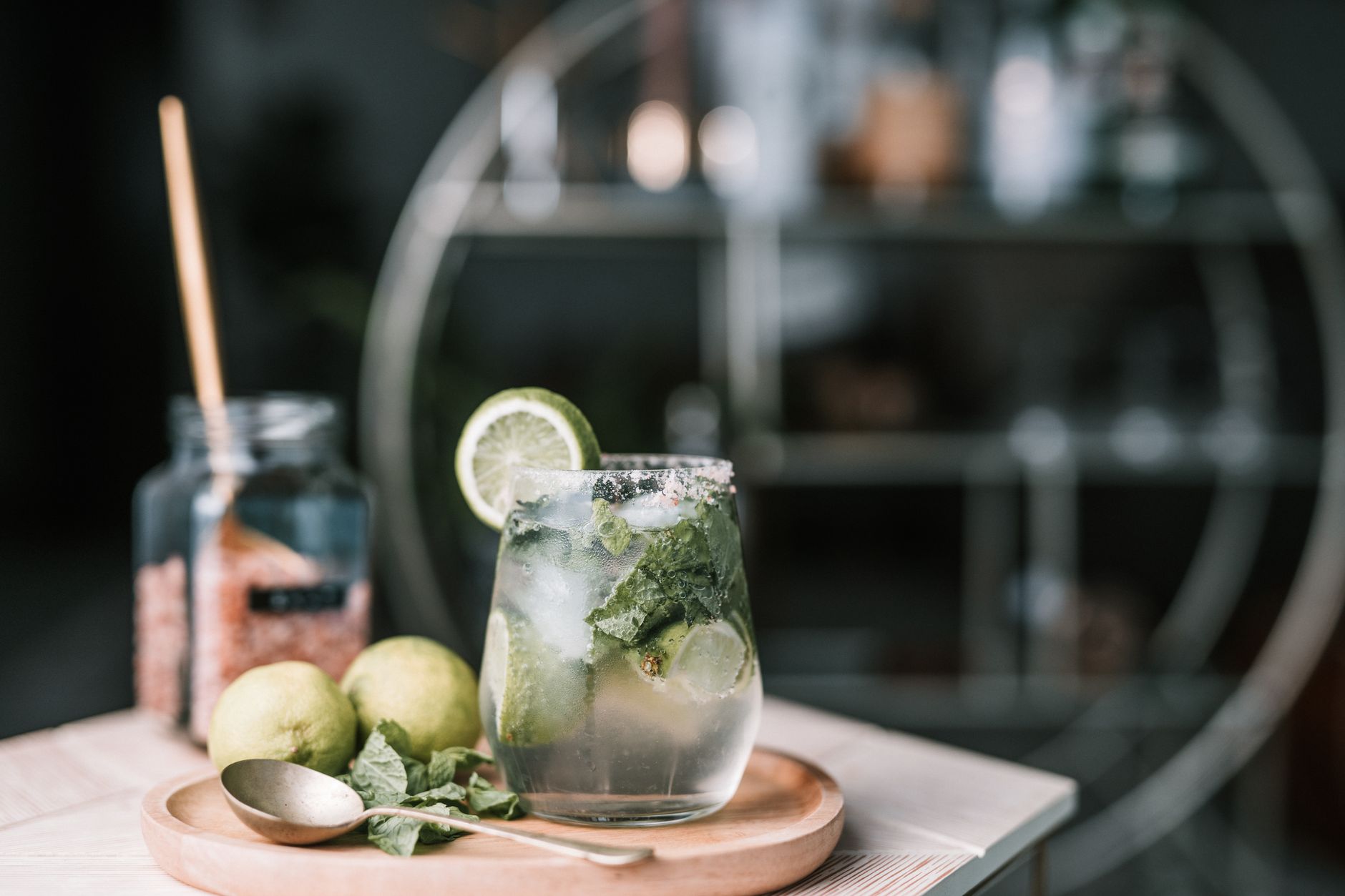
Making homemade alcohol can be a rewarding and enjoyable endeavor, whether you’re looking to create your own beer, wine, or spirits. With the right ingredients and equipment, you can experiment and develop unique flavors tailored to your preferences. This guide provides essential information, simple recipes, and tips for successfully crafting your own alcohol at home.
Before embarking on this journey, it is important to understand the basics of fermentation and the equipment needed for the process. With the right knowledge, you will be well on your way to producing your very own homemade beverages.
What is the Process of Making Homemade Alcohol?
The process of making homemade alcohol involves fermentation, where sugars are converted into alcohol by yeast. This basic outline applies regardless of the type of alcohol you want to create, whether it be beer, wine, or liquors.
- Gathering ingredients: You will need water, sugar, and yeast, along with other components specific to the type of alcohol you’re making.
- Fermentation: Yeast consumes the sugars and produces alcohol and carbon dioxide.
- Conditioning: Allow the alcohol to mellow and develop its flavors over time.
- Bottling: Once fermentation is complete, transfer the alcohol to bottles for storage.
Essential Equipment for Homemade Alcohol
To begin making alcohol, here’s a list of essential equipment you’ll need:
- Fermentation vessel: A glass carboy or food-grade plastic container with an airlock.
- Hydrometer (optional): A device to measure specific gravity, helping determine sugar content and alcohol strength.
- Siphoning equipment: A siphon or racking cane to transfer liquid without stirring up sediment.
- Capping or corking equipment: For sealing your bottles.
- Bottles: Clean, sterilized bottles suitable for storage.
- Thermometer: To monitor fermentation temperature.
- Cleaners and sanitizers: Essential for maintaining a sterile environment.
Basic Recipe for Homemade Beer
Beer making is one of the most common forms of homemade alcohol production. The process includes mashing, boiling, fermentation, and bottling.
Yield
This recipe yields approximately 5 gallons of beer.
Preparation Time
About 4 hours for the initial process, plus fermentation time (usually 1-3 weeks).
Cooking Time
About 1 hour for brewing.
Ingredients
- 9 lbs of malted barley (or malt extract)
- 1 lb of corn or rice (optional, for lightening flavor)
- 1 oz of hops (bittering hops)
- 1 oz of flavor hops (added later in boiling process)
- 1 packet of yeast (specific for beer or ale)
- 5 gallons of water
Method
- Begin by heating 3 gallons of water to about 160°F. Once hot, add the crushed malted barley or malt extract and corn or rice if desired, stirring well.
- Maintain the temperature at about 150°F for 30 minutes to allow conversion of starches to sugars (this is called mashing).
- After 30 minutes, heat the mixture to a boil and add your bittering hops. Boil for about 60 minutes.
- In the last 15 minutes of the boil, add your flavor hops.
- After boiling, cool the mixture quickly to about 70°F using an immersion chiller or by placing your brew kettle in an ice bath.
- Transfer the cooled wort (unfermented beer) into your fermentation vessel, topping off with additional water to complete 5 gallons if necessary. Make sure the vessel is sanitized.
- Add the yeast according to the packet instructions. Seal with an airlock.
- Allow the beer to ferment in a dark, temperature-controlled environment for about 1-3 weeks, depending on your yeast and style preferences.
- Once fermentation is complete, siphon the beer into clean, sanitized bottles and cap or cork them.
- Let the bottles condition in a cool place for another week or two. Remember to chill before serving.
Common Mistakes in Beer Making
Some issues you may encounter while making beer include:
- Inadequate sanitation: This can lead to unwanted bacterial growth, ruining your batch.
- Incorrect fermentation temperature: Yeast thrives within certain temperature ranges, and extreme temperatures can halt fermentation or create off-flavors.
- Over-carbonation: This can occur if too much sugar is added during bottling; ensure to follow recommended measurements.
A Basic Recipe for Homemade Wine
Similar to beer, wine-making involves fermentation but typically requires fruits, as sugar is primarily derived from them.
Yield
This recipe yields about 1 gallon of wine.
Preparation Time
Preparation time is about 1 hour, with fermentation lasting around 4-6 weeks.
Fermentation Time
Typically one month to six weeks, depending on the desired clarity and flavor.
Ingredients
- 4 pounds of fresh fruit (grapes, apples, or berries work well)
- 2-3 cups of sugar (depending on sweetness desired)
- 1 packet of wine yeast
- 1 gallon of water (if needed to dilute)
Method
- Start by washing and crushing the fruit to release the juices. You can use your hands or a clean tool for this.
- In a sanitized fermentation vessel, mix the crushed fruit with sugar, stirring until dissolved.
- If necessary, add some water to help with fermentation and bring the total volume up to around 1 gallon.
- Once mixed, sprinkle the wine yeast over the surface and stir gently to incorporate.
- Cover your fermentation vessel with a cloth to allow airflow while keeping out contaminants. Alternatively, use a fermentation lock attached to the lid.
- Allow fermenting the mixture in a dark and warm location (around 70-75°F) for several weeks.
- As fermentation slows (bubbles will be less frequent), siphon the wine away from sediment and into clean bottles, sealing them with corks.
- Store bottles in a cool and dry place for aging, ideally for several months or longer for enhanced flavor.
Racking Wine: When and Why?
Racking is the process of transferring wine from one container to another while leaving sediment behind. It’s typically done when the fermentation process slows, which can help clarify the wine and enhance flavor. Aim to rack your wine at least once during fermentation and again before bottling.
How to Make Homemade Spirits
Making spirits at home, such as whiskey or vodka, is considerably more complex and often has legal restrictions depending on your location. It’s fundamentally a distillation process, which concentrates alcohol by boiling and collecting vapors. Attempting to distill alcohol should be approached with caution and an understanding of local laws.
Ingredients for Homemade Spirits
- Grains (corn, barley, etc.) or fruits (for sugar)
- Yeast
- Water
Basic Method
While the specific methods for different spirits will vary, the general steps include:
- Prepare a mash: Combine grains or fruits with water and heat to activate enzymes that convert starches to sugars.
- Add yeast to the mash, allowing fermentation to occur, similar to beer or wine.
- After fermentation is complete, begin the distillation process using a still, collecting the vapors and condensing them back into liquid form.
Legality and Safety Considerations
Before you proceed, research the legalities of distilling spirits in your area, as it may be illegal without the appropriate permits. Safety is paramount, as distillation involves high temperatures and can produce flammable vapors.
Variations and Flavors
As you gain confidence in your home alcohol making skills, consider experimenting with flavors and ingredients. You can infuse fruit, spices, herbs, or even different sugars to create unique and personalized beverages. Here are some ideas for flavor variations:
- Fruit-flavored beers: Add fruit during secondary fermentation or infuse into the beer.
- Herb-infused wines: Experiment with herbs like basil, mint, or rosemary during fermentation.
- Spiced spirits: Infuse with spices like cinnamon or vanilla for a unique spirit.
Storage and Serving Suggestions
Proper storage is essential for maintaining the quality and flavor of your homemade alcohol. Keep bottles in a cool, dark place, away from direct sunlight and heat. Here are some tips for serving:
- Chill wines or light beers before serving. Rich or heavy beers and spirits can be served at slightly warmer temperatures.
- Consider serving homemade beverages with food pairings that complement their flavors.
- Experiment with cocktail recipes to use your homemade spirits creatively.
Conclusion
Making homemade alcohol can be fulfilling, allowing for a wide range of creativity and experimentation. By starting with beer or wine, you can build your confidence before exploring more complex processes like distillation. Always remember to practice safe handling and adhere to local laws.
If you’re eager to expand your homemade beverage repertoire, check out the raspberry mead recipe or try making delicious peach mead. Happy brewing!