
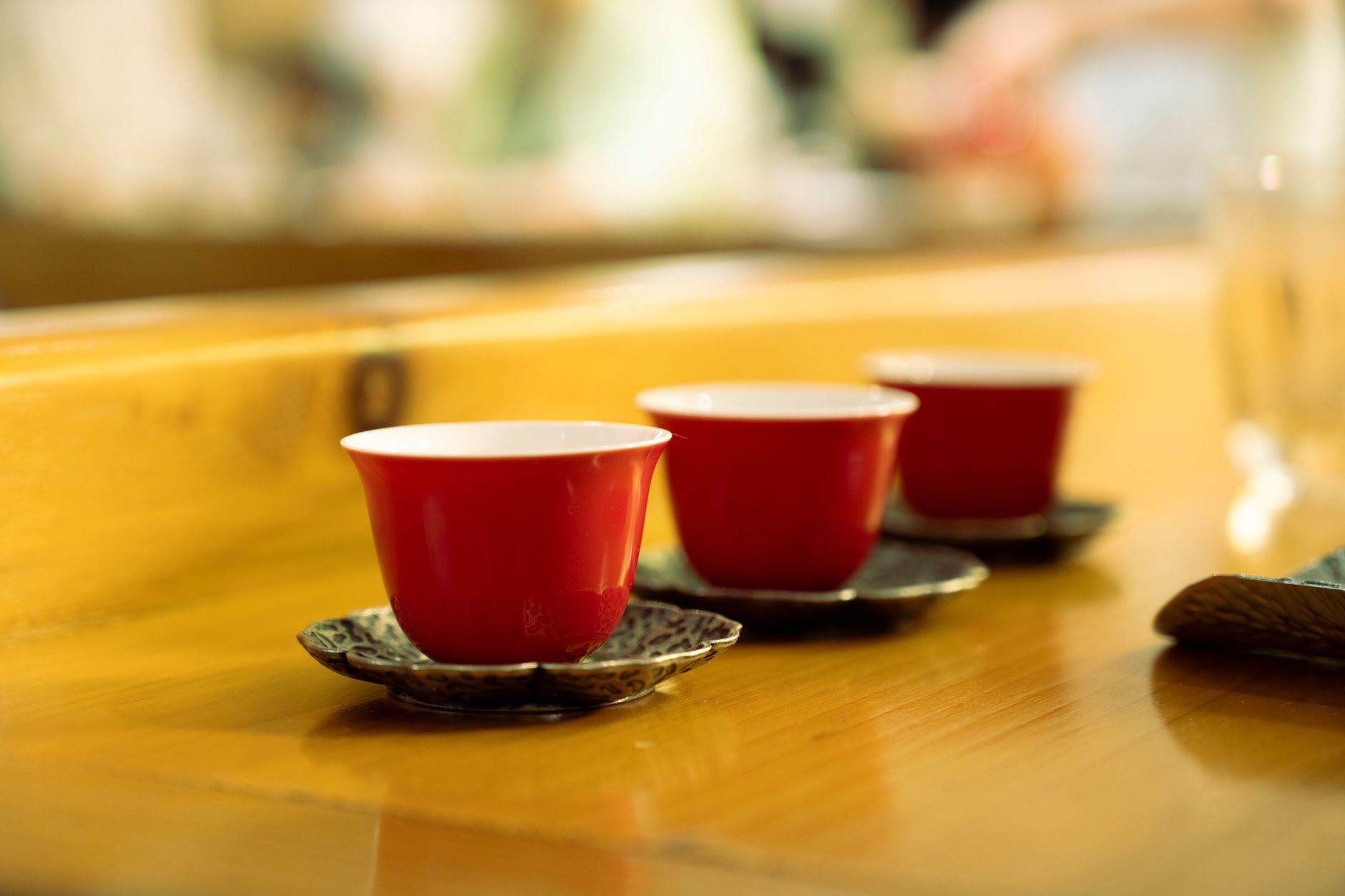
Ginseng tea, known for its earthy flavor and potential health benefits, is a delightful beverage that can be enjoyed warm or iced. This herbal tea is made from the roots of ginseng, a plant revered for its adaptogenic properties. Whether you’re looking to boost your energy levels or simply enjoy a comforting drink, making ginseng tea at home is a simple process.
This complete guide will provide all the information you need to brew ginseng tea, from ingredient selection to preparation techniques. You’ll also learn about variations, tips for maximizing flavor, and storage options to ensure you get the most out of this invigorating tea.
How To Make Ginseng Tea?
Making ginseng tea involves selecting high-quality ginseng roots and steeping them to extract their flavors and nutrients. The process is straightforward, requiring only a few ingredients and tools. Here’s a comprehensive look at how to prepare ginseng tea at home.
Essential Ingredients for Ginseng Tea
To make ginseng tea, you’ll need the following ingredients:
- 2-3 grams of dried ginseng root (or ½-1 teaspoon of powdered ginseng)
- 2 cups of water
- Optional: honey or lemon to taste
Choosing the Right Ginseng
When selecting ginseng, consider the following types:
- Korean Ginseng (Panax ginseng): This is known for its energy-boosting properties and is commonly used in traditional medicine.
- American Ginseng (Panax quinquefolius): This variant is typically milder and is used for its calming effects.
- Siberian Ginseng (Eleutherococcus senticosus): Not a true ginseng, but often used to improve stamina and overall health.
Equipment You Will Need
Having the right equipment will streamline the tea-making process. Here’s what you’ll need:
- A small saucepan or teapot
- A fine mesh strainer (if using dried root)
- A measuring spoon or scale for measuring the ginseng
- A cup or mug for serving
- A storage container (if making in batches)
Step-by-Step Instructions for Brewing Ginseng Tea
Now that you have your ingredients and equipment ready, follow these steps to brew your ginseng tea:
- Prepare the Ginseng: If using dried ginseng roots, slice them thinly to increase surface area for infusion. This will help release more flavor and nutrients into the tea.
- Boil Water: Pour 2 cups of water into your saucepan and bring it to a boil over medium-high heat.
- Add Ginseng: Once the water is boiling, add your ginseng root or powder to the pot. If using dried root, you can place it directly into the water; if using powder, consider using a tea infuser to avoid settling at the bottom.
- Simmer: Reduce the heat to low and let the mixture simmer for 10-15 minutes. The longer you simmer, the stronger the flavor will be.
- Strain: After simmering, remove the pot from heat. If you used whole dried roots, strain the tea into your cup using a fine mesh strainer. If you used powdered ginseng in a tea infuser, simply remove the infuser.
- Flavor (Optional): Add honey, lemon, or other flavors per your preference. Stir well.
- Serve: Enjoy your ginseng tea warm, or allow it to cool and serve over ice for a refreshing drink.
Tips for Preparing Ginseng Tea
To enhance your ginseng tea experience, consider the following tips:
- Experiment with Steeping Times: Adjust the simmering time based on your flavor preference. Shorter times yield milder tea, while longer times create a robust flavor.
- Don’t Overheat: Ensure that the water doesn’t boil rapidly after adding ginseng, as excessive heat can degrade some of the beneficial compounds.
- Freshness is Key: Use fresh ginseng whenever possible, as its potency diminishes with time. Store dried ginseng in a cool, dark place to extend its shelf life.
- Pair with Other Ingredients: Consider combining ginseng with other herbs or teas such as ginger or green tea for an added health boost and flavor complexity.
Common Mistakes to Avoid When Making Ginseng Tea
Avoid these common pitfalls to ensure a delicious ginseng tea experience:
- Using Low-Quality Ginseng: The quality of the ginseng significantly impacts flavor and potential benefits. Invest in high-quality sources.
- Too Much Ginseng: Using too much ginseng can result in a bitter tea. Stick to the recommended amounts.
- Ignoring Brewing Time: Don’t rush the brewing process. Allow sufficient steeping time to extract the flavors effectively.
- Too Hot Water: Water that is boiling might alter the essential benefits. Heat the water to a simmer instead of a rolling boil once you add ginseng.
Storage and Serving Suggestions
If you have leftover ginseng tea, you can store it in the refrigerator for up to three days. To reheat, gently warm on the stove or in the microwave.
For serving, consider these ideas:
- Serve ginseng tea in a pre-warmed cup to enhance the drinking experience.
- Consider garnishing with a slice of lemon or sprigs of mint for added flavor.
- Try serving it alongside a light meal or during afternoon tea as a refreshing beverage.
Variations of Ginseng Tea
Ginseng tea can be easily customized to suit your taste. Here are a few variations:
Ginseng and Ginger Tea
Add a few slices of fresh ginger to your ginseng tea for a spicy kick. Ginger adds warmth and is believed to have additional health benefits.
Ginseng Lemonade
For an iced version, brew your ginseng tea as directed, then chill it and mix it with freshly squeezed lemon juice and honey for a refreshing summer drink.
Ginseng Herbal Blend
Combine ginseng with other herbal teas like chamomile or peppermint to create your custom blend, enhancing flavor and potential therapeutic effects.
Health Benefits of Ginseng Tea
While it’s important to note that individual experiences may vary, many people associate ginseng tea with these potential benefits:
- Increased energy and reduced fatigue.
- Improved mental clarity and focus.
- Support for the immune system.
- Potential anti-inflammatory effects.
As always, consult with a healthcare professional if you have specific health concerns or conditions before incorporating ginseng into your routine.
Conclusion
Making ginseng tea at home is an enjoyable and rewarding experience. With just a few simple ingredients and steps, you can create a soothing beverage that might offer a range of potential benefits. Experimenting with flavors and variations can also provide a refreshing twist on this traditional drink.
For your next step, consider exploring how to enhance your immunity with creative herbal combinations or delve into other tea recipes like ginger lemon honey tea. There are countless opportunities to enjoy and benefit from the world of teas!
Check out our recipes for lymphatic drainage tea and ginger lemon honey tea for more delicious herbal beverages to try.