
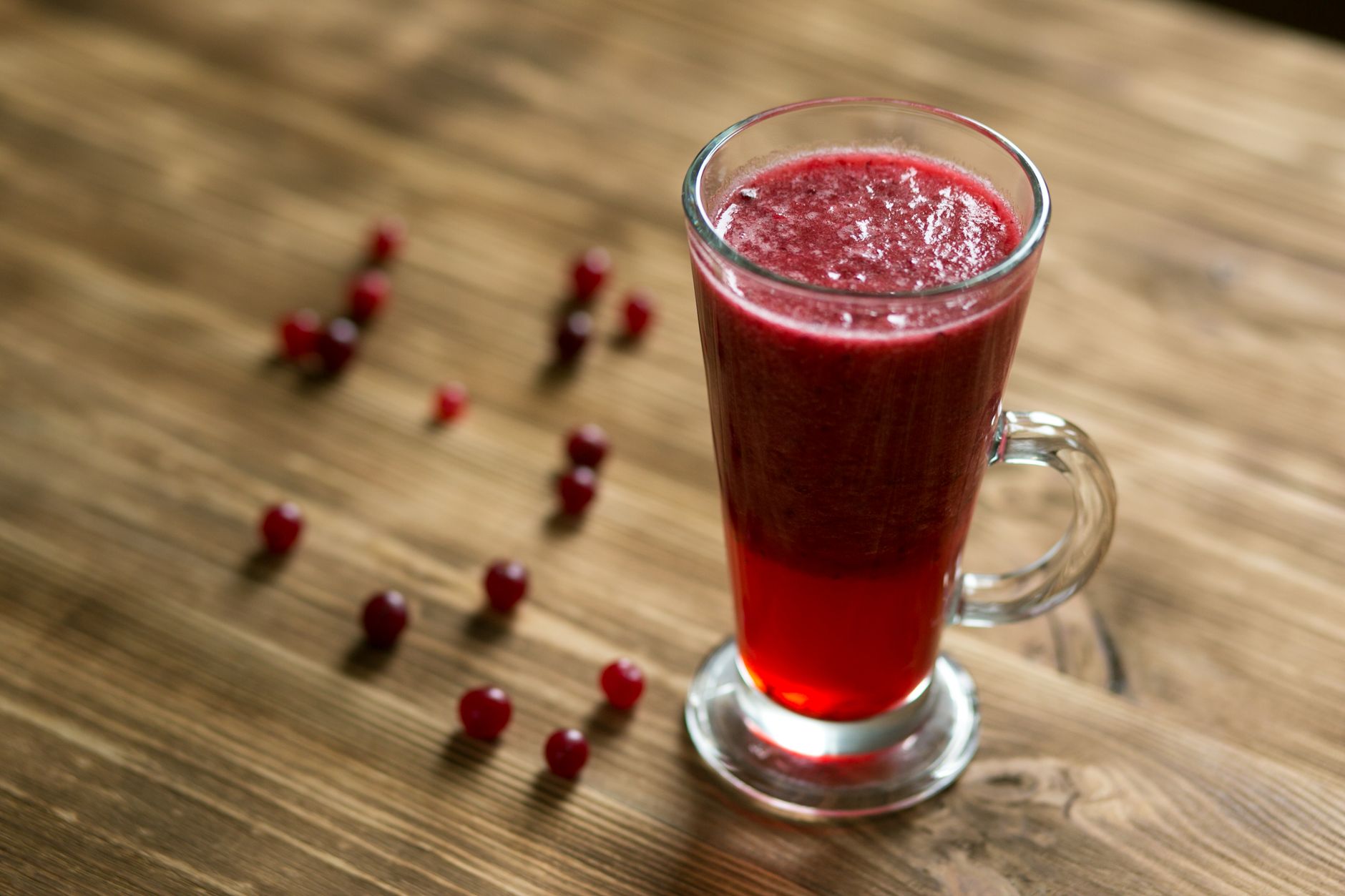
Cranberry juice, known for its vibrant color and tart flavor, is not just a refreshing drink but also a powerhouse of health benefits. Making cranberry juice at home is easy, economical, and allows you to control the sweetness and add flavors if desired. In this guide, you’ll learn how to make fresh cranberry juice from scratch, the benefits of cranberries, and some tasty uses for your homemade juice.
Whether you enjoy it on its own, as a mixer in cocktails, or as a base for smoothies, homemade cranberry juice can elevate any drink or dish. Plus, knowing how to prepare it at home gives you the ability to experiment with flavor and adjustment to your taste buds.
How To Make Cranberry Juice?
To make cranberry juice, you need fresh or frozen cranberries, water, and optionally, sweeteners like sugar or honey. The process involves boiling the cranberries to extract their juices, straining the mixture, and sweetening to taste. Here’s a detailed guide on how to do it.
The Benefits of Cranberry Juice
- Rich in Antioxidants: Cranberries are high in antioxidants, which help in fighting free radicals in the body.
- Supports Urinary Health: Drinking cranberry juice is commonly associated with preventing urinary tract infections (UTIs).
- Boosts Heart Health: The antioxidants in cranberries may also help lower heart disease risk by improving cholesterol and blood pressure levels.
- Contains Vitamins: Cranberry juice is a good source of vitamin C, vitamin E, and other beneficial nutrients.
Ingredients for Cranberry Juice
- 4 cups of fresh or frozen cranberries
- 4 cups of water
- 1/2 to 1 cup of sweetener (sugar, honey, or agave syrup), to taste
- Optional: lemon or lime juice for added flavor
Essential Equipment
- Large pot
- Strainer or fine mesh sieve
- Wooden spoon or potato masher
- Bottle or jar for storage
Step-by-Step Instructions
- Prepare Your Ingredients: If using fresh cranberries, rinse them thoroughly under cool water to remove any debris. If using frozen cranberries, you can use them straight from the freezer.
- Boil the Cranberries: In a large pot, combine the cranberries and water. Bring the mixture to a boil over medium-high heat, then reduce the heat to a simmer.
- Simmer: Allow the cranberries to simmer for about 15-20 minutes. You’ll hear them popping as they cook, which is a sign that they are releasing their juices.
- Extract the Juice: After simmering, use a wooden spoon or potato masher to mash the cranberries to help release more juice. Continue to simmer for an additional 5 minutes.
- Strain the Mixture: Remove the pot from heat and let it cool for a few minutes. Pour the mixture through a fine mesh sieve or strainer placed over a bowl or large pitcher. Use the back of a spoon to press down on the cranberry solids to extract as much juice as possible.
- Sweeten the Juice: Once strained, taste the juice. If desired, add sweetener (sugar, honey, or agave syrup) to taste. Stir well until fully dissolved. If you prefer a more tangy beverage, you can add a splash of lemon or lime juice for brightness.
- Store the Juice: Pour the finished juice into a bottle or jar and refrigerate. It is best enjoyed fresh but can last about 7 days in the fridge.
Practical Substitutions and Variations
- You can replace sugar with natural sweeteners like honey or agave syrup for a healthier option.
- If you prefer a sweeter juice, increase the amount of sweetener as per your taste preference.
- For a more complex flavor, consider adding a cinnamon stick or a few slices of ginger during the boiling process.
- For a refreshing twist, mix in some other fruit juices, such as apple or orange juice, after straining.
Common Mistakes and Troubleshooting
Making cranberry juice is straightforward, but here are some common pitfalls to avoid:
- Not Using Enough Water: Ensure there’s enough water to adequately boil the cranberries and extract most of their juice.
- Overcooking the Cranberries: While simmering is essential, avoid boiling for over 30 minutes, as this could lead to bitterness.
- Forgetting to Strain: Remember to strain the juice to avoid a chunky texture unless you prefer a thicker drink.
Serving Suggestions
You can enjoy your homemade cranberry juice in many ways:
- As a refreshing drink on its own, served chilled.
- Mixed with soda water for a mocktail or cocktail base.
- Poured over ice, combined with a splash of club soda, and garnished with fresh cranberries and a sprig of mint.
- Used as an ingredient in smoothies or smoothie bowls for added tartness and color.
Make-Ahead Guidance
If you want to prepare cranberry juice ahead of time, consider the following:
- Cranberry juice can be made in larger batches and stored in the refrigerator for up to a week.
- You can also freeze cranberry juice in ice cube trays for easy use in cocktails or smoothies later.
Storage and Reheating Guidance
Homemade cranberry juice can be stored in the refrigerator for about 7 days. Ensure that it is kept in an airtight container to preserve its freshness. For longer storage, consider freezing the juice in portions that can be thawed as needed. To thaw, simply move the juice from the freezer to the refrigerator for a few hours or overnight.
Cranberry Juice and Health
Drinking cranberry juice has been linked to various health benefits, particularly in maintaining urinary tract health. However, it is essential to consume it in moderation due to its high acidity and natural sugars. Always opt for unsweetened varieties whenever possible or adjust sweetness to your preference and health goals.
Conclusion
Making your own cranberry juice is a satisfying accomplishment that allows you to enjoy the tart and vibrant flavors of cranberries while reaping their many health benefits. With just a few simple ingredients and steps, you can create a refreshing beverage that is versatile and delicious. Now that you know how to make cranberry juice from scratch, get creative with your ingredients, and enjoy this healthy drink any time of the year.
Explore more with our guides on canning cranberry juice and discover antioxidant juice recipes to enrich your diet.