
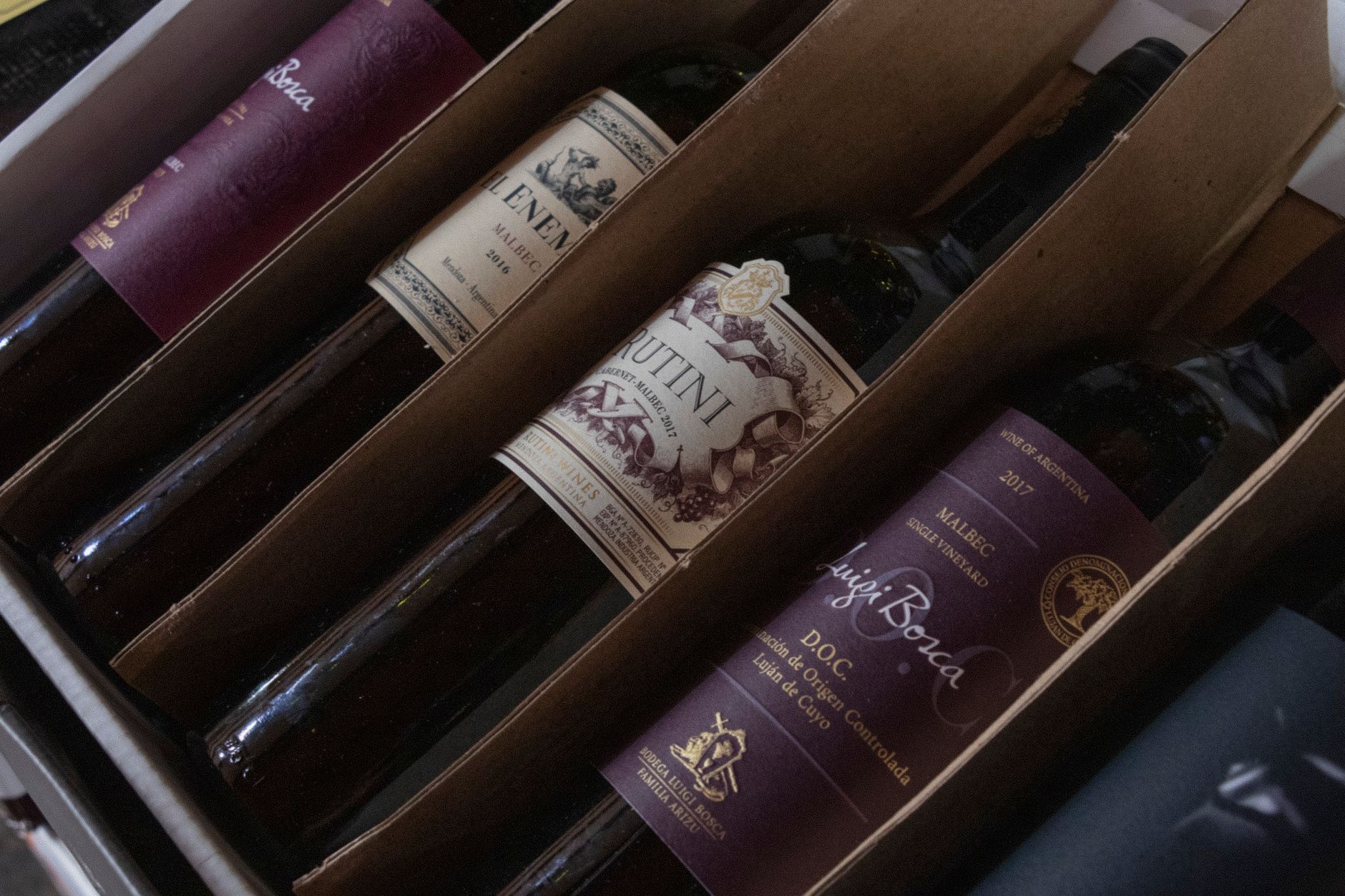
Wine is a beloved beverage that complements meals, celebrations, and relaxation. Whether you’re pouring a glass for yourself or serving guests, understanding wine measurements can enhance your enjoyment. One common question is how many ounces are in a bottle of wine.
A standard bottle of wine contains 750 milliliters, which translates to approximately 25.4 ounces. This measurement is crucial for planning events, pairing wine with food, and even understanding serving sizes. In this article, we’ll delve deeper into the ounces in a bottle of wine, along with safety tips, benefits of wine consumption, and practical serving suggestions.
How Many Ounces Are in a Bottle of Wine?
As mentioned earlier, a standard bottle of wine holds 750 milliliters, equating to roughly 25.4 ounces. This is the norm across most wines, from reds and whites to sparkling options. It’s essential to understand that this measurement affects how many servings a bottle provides.
Understanding Wine Servings
A typical serving of wine is about 5 ounces, which means that a 750-milliliter bottle can yield approximately five servings. However, this can vary based on personal preferences and the type of wine being served. Keep in mind the following:
- Standard Serving Size: 5 ounces (148 milliliters) is generally recommended for a typical glass of wine.
- Generous Pour: Some may opt for 6 ounces for a fuller glass, which would reduce the number of servings per bottle to about four.
- Full Bodied Wines: When serving robust wines, pouring 6–7 ounces may provide a more satisfying experience, but again, this lessens the servings.
Benefits of Wine Consumption
Wine, particularly red wine, has gained a reputation for offering various health benefits when consumed in moderation. Here are a few notable advantages:
- Heart Health: Studies suggest that moderate red wine consumption may improve heart health owing to antioxidants like resveratrol.
- Improved Longevity: Some research indicates that moderate wine drinkers may enjoy a longer lifespan compared to non-drinkers.
- Social Enjoyment: Wine can enhance social interactions, making meals more pleasurable when shared with others.
Wine Safety Tips
While wine can offer several benefits, it’s also essential to consume it responsibly. Here are some safety tips to keep in mind:
- Moderation is Key: The CDC recommends that women limit themselves to one drink per day while men should not exceed two drinks daily.
- Know Your Limits: Always be aware of your tolerance levels and don’t feel pressured to drink more than what is comfortable for you.
- Hydrate: Drink plenty of water alongside wine to stay hydrated and help mitigate any negative effects of alcohol.
Tips for Serving Wine
Serving wine correctly can enhance its flavor and overall experience. Consider the following suggestions:
- Temperature: Serve white wines chilled (45-50°F) and red wines at a slightly warmer temperature (55-65°F) to appreciate their full flavors.
- Glassware: Use appropriate glassware; larger-bowled glasses for reds and narrower glasses for whites help channel aromas effectively.
- Aeration: Let red wines breathe to enhance their flavors; pouring into a decanter or simply letting it sit in the glass for a few minutes can help.
Types of Wine and Their Characteristics
Understanding wine types can also enhance your appreciation for this beverage. Here are some common varieties and their characteristics:
Red Wine
Made from dark-colored grape varieties, red wine is rich in flavor and often contains more tannins, which contribute to its complexity. Common red wines include:
- Cabernet Sauvignon: Full-bodied with dark fruit flavors and high tannins.
- Pinot Noir: Medium-bodied, known for its lighter, fruit-forward flavor profile.
- Merlot: Soft, round, and fruit-forward, making it very approachable for new wine drinkers.
White Wine
White wine is made from green or yellow grapes and is typically more refreshing. Here are a few notable white wines:
- Sauvignon Blanc: Crisp and vibrant, often featuring citrus and green herb flavors.
- Chardonnay: Ranges from crisp to rich, depending on the production methods, making it versatile for various palates.
- Riesling: Known for its sweetness and floral aromas, often enjoyed by those who prefer sweeter beverages.
Sparkling Wine
Sparking wines are fun and festive, characterized by their effervescence. Popular options include:
- Champagne: A famous sparkling wine from the Champagne region of France, celebrated for its complexity.
- Prosecco: An Italian sparkling wine that is typically lighter and fruitier than Champagne.
- Cava: A Spanish sparkling wine known for its dry character and fruity notes.
Wine Pairing Basics
Pairing wine with food can elevate your dining experience. Here are some basic guidelines to consider when selecting the perfect wine for your meals:
- White Wine with Fish: Light-bodied whites like Sauvignon Blanc or Pinot Grigio complement the delicate flavor of many seafood dishes.
- Red Wine with Red Meat: Bold reds like Cabernet Sauvignon or Shiraz pair well with red meats like steak and lamb.
- Sweet Wine with Spicy Dishes: A sweet Riesling or Gewürztraminer can balance the heat of spicy Asian or Mexican cuisines.
Practical Serving Sizes and Calculating Usage
When organizing events or gatherings, it’s essential to calculate how much wine to have on hand. Here are a few tips on planning your wine needs:
- Estimating Quantities: For a party, plan on about half a bottle of wine per person for a two-hour event.
- Adjusting for Other Drinks: If you’ll be serving other beverages, consider lowering the wine quantity to about a quarter bottle per person.
- Choosing Varieties: Provide a mix of red, white, and sparkling options to cater to diverse preferences.
Storing Leftover Wine
If you have leftover wine, proper storage is essential to maintaining its quality. Here are some tips for storing unused wine:
- Seal It: Use a cork or a wine stopper to reduce oxidation. Vacuum pump stoppers can also be useful.
- Refrigerate: Both red and white wines can benefit from cooler temperatures. Generally, red wines should be stored at cellar temperature, while whites do better in the fridge.
- Limit Exposure: Try to consume leftover wine within three days to a week, depending on the variety.
Common Mistakes to Avoid
Whether you are a novice or have some experience in wine, everyone makes mistakes now and then. Here are some common errors to watch out for:
- Poor Pairing: Take heed of general pairing rules, but do not be afraid to experiment. Each palate is unique.
- Ignoring Glassware: Using the right glass can dramatically affect your ability to appreciate the wine’s aromas and flavors.
- Overchilling or Overheating: Serving wine at improper temperatures can dull its flavors, affecting the tasting experience.
Wine Tasting 101
Wine tasting is an enjoyable way to explore different flavors and learn more about wine varieties. Here are the steps to conduct a simple wine tasting:
- Prepare Your Space: Ensure you have good lighting and a clean surface to place your wine glasses and bottles.
- Smell the Wine: Swirl the wine in the glass and take a moment to appreciate the aromas. This step is crucial in recognizing the wine’s characteristics.
- Taste and Observe: Take a small sip, letting it linger on your palate. Pay attention to the flavors, acidity, and tannins present.
- Note Your Impressions: Record your thoughts on each wine variety to keep track of your preferences.
Making the Most of Your Wine Experience
Ultimately, enjoying wine is about exploration and the experience, so keep these tips in mind to enhance your wine journey:
- Stay Curious: Explore different grape varieties and regions. The diversity in wines is vast.
- Engage with Others: Discussing wines with friends or at tasting events can provide new perspectives and enhance the learning experience.
- Attend Wine Events: Participate in local winemaker dinners or festivals to deepen your understanding of wine and food pairings.
In summary, understanding how many ounces are in a bottle of wine is just the beginning of enjoying this fine beverage. With knowledge of servings and safety tips, you can make informed choices that enhance your wine-drinking experience. Always remember to drink responsibly and enjoy the journey that wine offers.
If you’re looking to expand your beverage repertoire, consider trying out a delightful Winter Sangria recipe or a refreshing Limoncello Spritz for a different experience. Explore these fun drink ideas to complement your next gathering!