
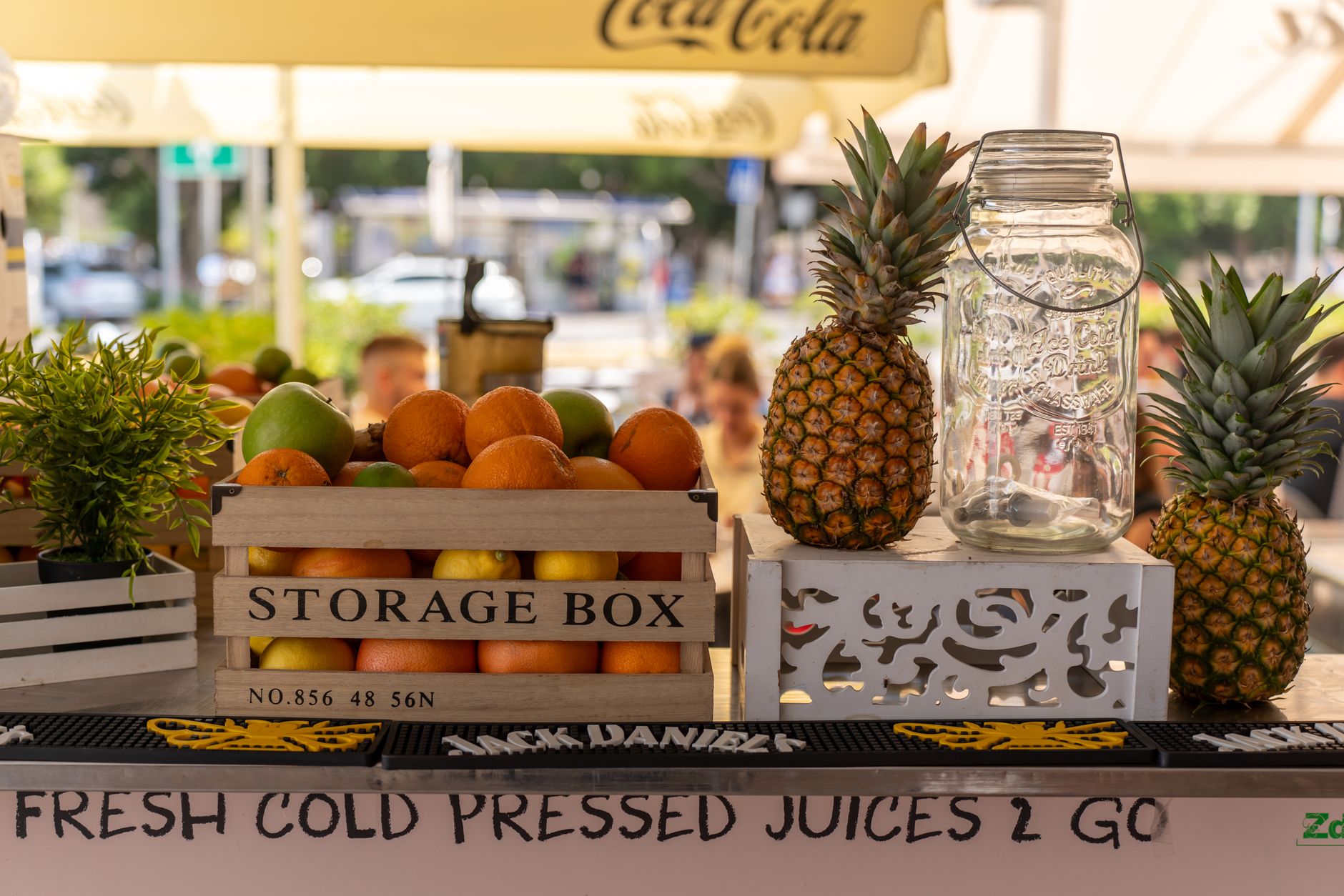
Cold pressing juice is a method that maximizes the extraction of nutrients from fruits and vegetables, resulting in a flavorful and vibrant drink. Unlike traditional juicing methods that involve high-speed blades, cold pressing utilizes a slow, grinding mechanism to preserve the integrity of the ingredients.
This comprehensive guide will walk you through the cold pressing process, the best equipment to use, how to choose ingredients, and some helpful tips for making the most refreshing juices at home.
What Is Cold Press Juice and How Does It Work?
Cold pressing is a juicing technique that extracts juice from fruits and vegetables without introducing heat. This process helps retain essential vitamins, minerals, and enzymes, making cold-pressed juice a healthier alternative to conventional juices. Here’s how it works:
- The fruits and vegetables are crushed and ground into a pulp.
- The pulp is then pressed with hydraulic pressure to extract the juice.
- This method minimizes oxidation, preserving the juice’s nutrients and prolonging its shelf life.
Why Choose Cold Press Juice?
Cold-pressed juice is often touted for its health benefits, including a higher concentration of vitamins and minerals. The slow extraction method ensures that the natural flavors remain intact, resulting in a more vibrant and rich juice. Additionally, this process creates less foam and sediment, leading to a smoother texture.
Essential Equipment for Cold Pressing Juice
To start cold pressing your juice at home, you’ll need some essential equipment:
- Cold Press Juicer: A specialized juicer designed for cold pressing. Popular brands include Omega, Hurom, and Kuvings.
- Cutting Board and Knife: For preparing your fruits and vegetables.
- Storage Containers: Glass bottles or jars are ideal for storing juice. Choose containers that seal tightly to minimize oxidation.
- Fine Mesh Strainer: If your juicer doesn’t come with one, this can help remove any leftover pulp, ensuring a smooth juice.
Choosing Ingredients for Cold Press Juice
When selecting ingredients, it’s essential to consider flavor combinations and nutrient profiles. Here are some popular fruits and vegetables for cold pressing:
- Citrus Fruits: Oranges, lemons, and grapefruits add brightness and acidity.
- Leafy Greens: Kale, spinach, and parsley boost nutritional content.
- Roots: Carrots and beets bring sweetness and earthiness.
- Berries: Strawberries and blueberries provide antioxidants and vibrant color.
- Tropical Fruits: Pineapple and mango create a refreshing tropical blend.
Consider combining different ingredients for unique flavors, such as pairing sweet fruits with tart citrus or adding ginger for a spicy kick.
Basic Steps for Cold Pressing Juice
Follow these steps to create delicious cold-pressed juice:
- Prepare Your Ingredients: Wash, peel, and chop your fruits and vegetables as necessary. Remove any seeds or hard skins that may affect the juicing process.
- Feed Ingredients into the Juicer: Start with softer ingredients such as leafy greens. Alternate between soft and hard ingredients to help push the pulp through the juicer.
- Collect the Juice: Place a container under the juicer’s spout to catch the juice as it flows out. Some juicers will separate the pulp into a separate compartment.
- Strain If Necessary: If you prefer a smoother juice, use a fine mesh strainer to remove excess pulp.
- Store Properly: Pour the juice into airtight glass containers and refrigerate. Consume within 72 hours for the best quality and nutrients.
Tips for Successful Cold Pressing
Here are some tips to enhance your cold pressing experience:
- Use Fresh Ingredients: Always choose ripe and fresh produce to ensure maximum flavor and nutrient content.
- Mix Flavors and Textures: Combine various ingredients to create well-balanced flavors and a nice texture.
- Experiment with Spice: Adding herbs and spices like mint, basil, or ginger can elevate the flavor profile of your juice.
- Keep a Clean Juicer: Clean your juicer immediately after use to prevent clogging and make the next juicing session more manageable.
- Stay Within Seasonal Produce: Utilize seasonal fruits and vegetables for the freshest flavors and best prices.
Common Mistakes to Avoid
Avoiding these common pitfalls can help ensure a better cold pressing experience:
- Using Overripe Produce: While some ripeness is good, overly ripe or spoiled produce can lead to off-flavors.
- Ignoring Texture Balance: Relying solely on hard or soft ingredients can result in pulp-heavy juice. Balance soft and hard ingredients for a smoother texture.
- Not Storing Juice Properly: Exposure to air can lead to oxidation. Always use airtight containers and consume juice quickly.
Flavor Variations and Recipe Ideas
Here are some combinations you might enjoy trying out in your cold-pressed juices:
Refreshing Citrus Juice
- 3 oranges
- 2 lemons
- 1 lime
This juice is zesty and refreshing, perfect for a morning boost.
Green Detox Juice
- 1 cucumber
- 2 handfuls of spinach
- 1 green apple
- 1/2 lemon
This green juice is packed with nutrients and has a refreshing taste.
Root Vegetable Juice
- 3 carrots
- 1 beet
- 1 apple
- 1-inch piece of ginger
This juice balances earthy and sweet flavors, making it very satisfying.
How to Store Cold Press Juice
Proper storage is crucial for maintaining the quality of your juice:
- Refrigeration: Always store cold-pressed juice in the refrigerator immediately after preparing it.
- Airtight Containers: Use glass containers with tight seals to limit air exposure and preserve freshness.
- Freezing: If you want to store juice for longer, consider freezing it. Pour juice into ice cube trays and transfer the cubes to a sealed container once frozen.
Longevity and Nutritional Value
Cold-pressed juice can last up to 72 hours in the refrigerator if stored correctly. Nutritional value diminishes over time; thus, it’s recommended to consume the juice as soon as possible to enjoy all of its benefits.
Exploring Health Benefits of Cold Press Juice
While cold-pressed juice is not a replacement for whole fruits and vegetables, it can serve as a supplement in a balanced diet. Here are some potential benefits:
- Increased Nutrient Intake: Drinking a variety of juices can help increase your intake of vitamins and minerals.
- Hydration: Juices are hydrating and can contribute to overall daily fluid intake.
- Antioxidants: Many fruits and vegetables are rich in antioxidants, which can help combat oxidative stress in the body.
However, it’s essential to approach juice consumption mindfully, as juices can be high in sugar without the fiber normally provided in whole fruits.
Keeping it Mindful: Is Cold Press Juice Right for You?
Incorporating cold-pressed juice into your diet can offer a different and enjoyable way to consume fruits and vegetables. However, it should complement a balanced diet rather than replace whole foods.
Always consult with a healthcare provider or nutritionist if you have concerns about your diet or health, particularly if you have specific dietary needs.
Next Steps and Final Thoughts
Now that you have a comprehensive understanding of how to cold press juice, it’s time to gather your ingredients and juicer. Enjoy experimenting with different combinations and flavors, and don’t hesitate to share your creations with friends and family.
For further exploration, check out our Carrot Juice Recipe and learn how to make High Blood Pressure Juice. These resources will enhance your juicing experience and inspire your next culinary adventure.