
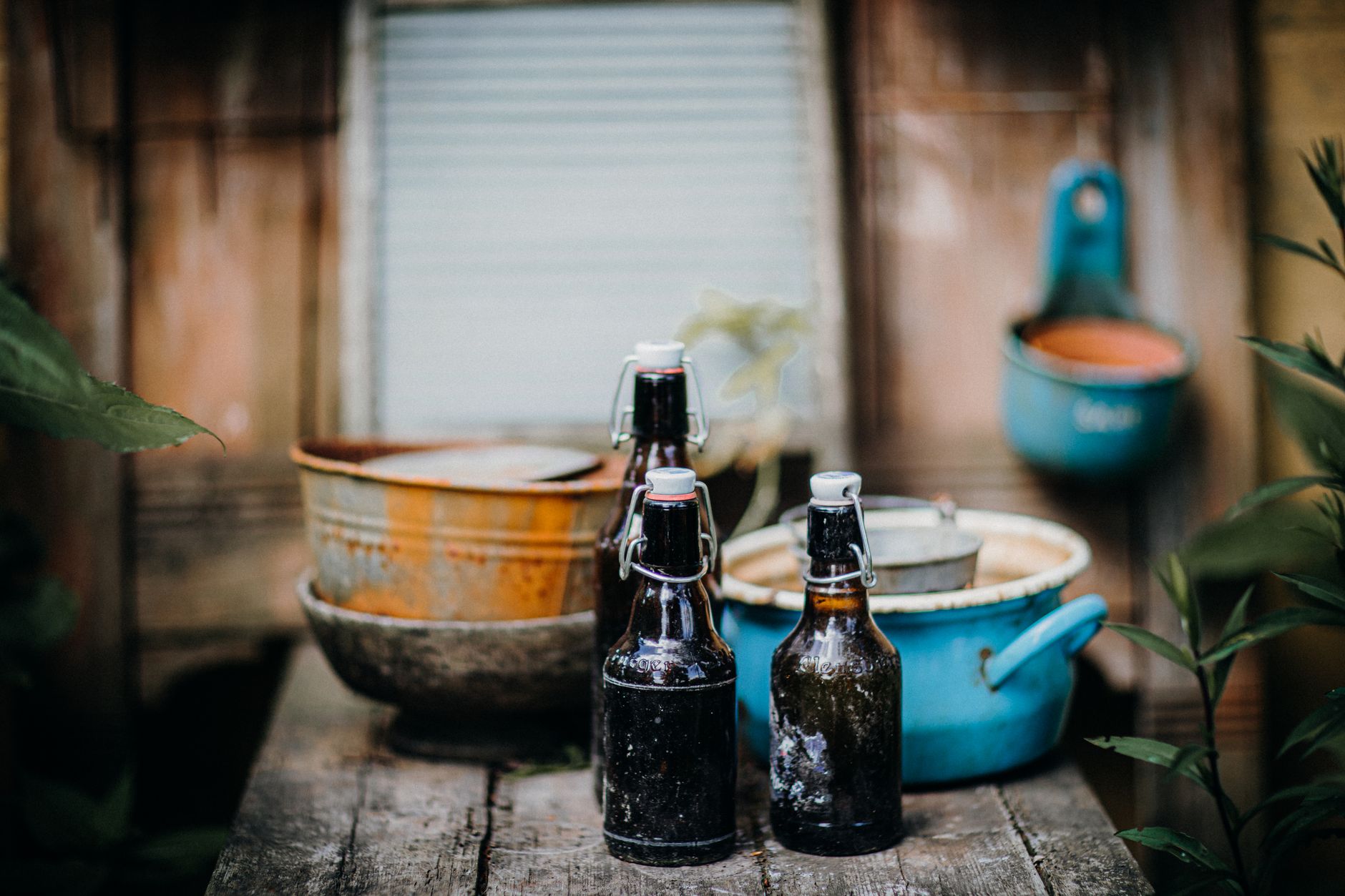
Brew beer at home can be a rewarding and enjoyable hobby. It’s a great way to experiment with flavors and create a drink tailored to your taste. While the process may seem daunting at first, it’s quite approachable for beginners with the right guidance. This article provides a complete overview of home brewing, including equipment, ingredients, and a simple recipe to get you started.
Understanding the basics of beer brewing will not only help you produce satisfying results but also allow you to appreciate the craft more deeply. This guide will take you through each essential step, ensuring you gain confidence in your brewing journey.
What Is Home Brewing and Why Try It?
Home brewing is the process of making beer for personal consumption. Brewing at home can be cost-effective and allows for creativity in flavor combinations. By experimenting with different ingredients, you can craft unique beers that reflect your personal taste preferences. Additionally, the sense of accomplishment from brewing your own beer can be immensely satisfying.
What Equipment Do You Need for Brewing Beer at Home?
To start brewing beer at home, you’ll need some essential equipment. Below is a list of basic tools and gear required for beginners:
- Brewing kettle (at least 5 gallons capacity)
- Fermenter with airlock (5-gallon food-grade bucket or glass carboy)
- Thermometer
- Hydrometer (to measure specific gravity)
- Siphon or racking cane
- Bottling bucket and spigot
- Bottles and caps or kegs
- Capper (if using bottles)
- Sanitizing solution (such as Star San)
- Cooling coil or immersion chiller (optional but recommended)
Understanding Sanitization
Sanitization is critical in brewing beer. Any bacteria or wild yeast introduced into the process can spoil your beer. Always sanitize all equipment and utensils that come into contact with your wort (the sugary liquid extracted from the malt) and finished beer. A non-rinsing sanitizer, like Star San, is recommended for ease of use.
What Ingredients Do You Need for Brewing Beer?
To make beer, you’ll require four primary ingredients: water, malt, hops, and yeast. Each ingredient plays a vital role in the brewing process.
- Water: About 90-95% of beer is water. The mineral content can affect the taste, so if you wish to fine-tune your brewing, consider your water’s characteristics.
- Malt: Barley is the most common grain used in brewing. Malts come in various types, each contributing different flavors, colors, and sweetness to the beer.
- Hops: Hops are flowers that add bitterness, aroma, and flavor to beer. There are many varieties, each providing unique qualities. Some common hops include Cascade, Saaz, and Citra.
- Yeast: Yeast converts sugars into alcohol and carbon dioxide. There are two primary types of yeast – ale yeast (top-fermenting) and lager yeast (bottom-fermenting).
A Simple All-Grain Home Brewing Recipe
Here’s a beginner-friendly recipe for brewing a basic pale ale using the all-grain method. This recipe will yield about 5 gallons (approximately 48 pints) of beer.
Recipe Overview
- Yield: Approximately 5 gallons
- Preparation Time: 30 minutes
- Cooking Time: 1 hour
- Fermentation Time: 1-2 weeks
- Total Time: Around 2-3 weeks, including fermentation and carbonation
Ingredients
- Grains:
- 10 lb (4.5 kg) 2-row pale malt
- 1 lb (0.45 kg) crystal malt (40L)
- Hops:
- 1 oz (28 g) Cascade hops (bittering, added at 60 minutes)
- 1 oz (28 g) Cascade hops (flavor, added at 15 minutes)
- 1 oz (28 g) Cascade hops (aroma, added at flameout)
- Yeast:
- 1 packet (11 g) American ale yeast (e.g., Safale US-05 or Wyeast 1056)
- Water: Approximately 6 gallons of water (for mashing and sparging)
Step-by-Step Brewing Instructions
- Mash the Grains:
Heat 3 gallons of water in your brewing kettle to about 165°F (74°C). Once heated, pour the water over the crushed grains in your mash tun. Stir well to eliminate any clumps. The mash temperature should stabilize at around 152°F (67°C). Let it rest for 60 minutes.
- Sparging:
After the mash, heat an additional 3 gallons of water to 170°F (77°C). Slowly pour this water over the grains, collecting the runoff (wort) until you have about 5-6 gallons in your kettle.
- Boil the Wort:
Bring the wort to a boil. Once boiling, add the bittering hops (1 oz Cascade) and boil for 60 minutes. With 15 minutes left in the boil, add the flavor hops (1 oz Cascade). At flameout, add the aroma hops (1 oz Cascade).
- Cool the Wort:
Use a cooling coil or immersion chiller to bring the wort temperature down to around 70°F (21°C) as quickly as possible to prevent contamination.
- Pitch the Yeast:
Transfer the cooled wort to your sanitized fermenter. Top off with water to reach the 5-gallon mark if necessary. Aerate the wort by stirring vigorously, then pitch the yeast. Seal the fermenter and attach the airlock.
- Fermentation:
Allow the beer to ferment in a dark, cool place (around 68-72°F or 20-22°C) for 1-2 weeks. You’ll notice bubbles in the airlock, which indicates fermentation is active.
- Bottling or Kegging:
Once fermentation is complete (specific gravity remains constant for 2-3 days), prepare for bottling. Dissolve 3/4 cup (150 g) of priming sugar in 2 cups (480 ml) of boiling water, cool it, and add to the bottling bucket. Siphon the beer into the bottling bucket, then fill the bottles leaving about an inch of headspace. Cap the bottles properly.
- Carbonation:
Let the bottled beer carbonate at room temperature for 1-2 weeks. After sufficient time, chill the bottles before serving.
Troubleshooting Common Issues
As a beginner, you may encounter some common issues during the brewing process. Here are a few tips to address them:
- Off-flavors: If your beer tastes sour or has off-flavors, it might be due to contamination. Ensure that all equipment is sanitized.
- Flat Beer: If your beer is not carbonating, check the fermentation temperature and make sure you’ve added sufficient priming sugar before bottling.
- Cloudy Beer: Hazy beer can be caused by insufficient fermentation time or leftover proteins. Consider cold-crash to help clarify your beer before packaging.
Variations and Experimentation
Once you’re comfortable with the basics, feel free to explore different styles of beer and ingredient variations. Here are ideas for experimenting:
- Try different hop varieties for unique aromas and flavors.
- Incorporate specialty grains for added color and taste.
- Adjust the bitterness level by changing hop amounts.
- Add fruits, spices, or herbs in the last few minutes of the boil for new flavor profiles.
Storage and Serving Your Beer
For best flavor and carbonation, store your bottles in a cool, dark place away from sunlight. Beers are typically best consumed fresh, but some styles, like stouts and IPAs, can be aged for a few months. Ensure your beer glasses are clean and chilled for the best serving experience.
Conclusion and Next Steps
Brewing beer at home can be both enjoyable and educational. With practice, you’ll develop a deeper understanding of the brewing process and improve your skills. Remember to maintain cleanliness and experiment with flavors that excite you, leading to endless brewing possibilities.
Ready to expand your brewing repertoire? Consider trying out other fermented beverages. You can start with this fermented ginger beer recipe or explore the delightful flavors in this strawberry mead recipe for a sweet twist on homemade drinks.