
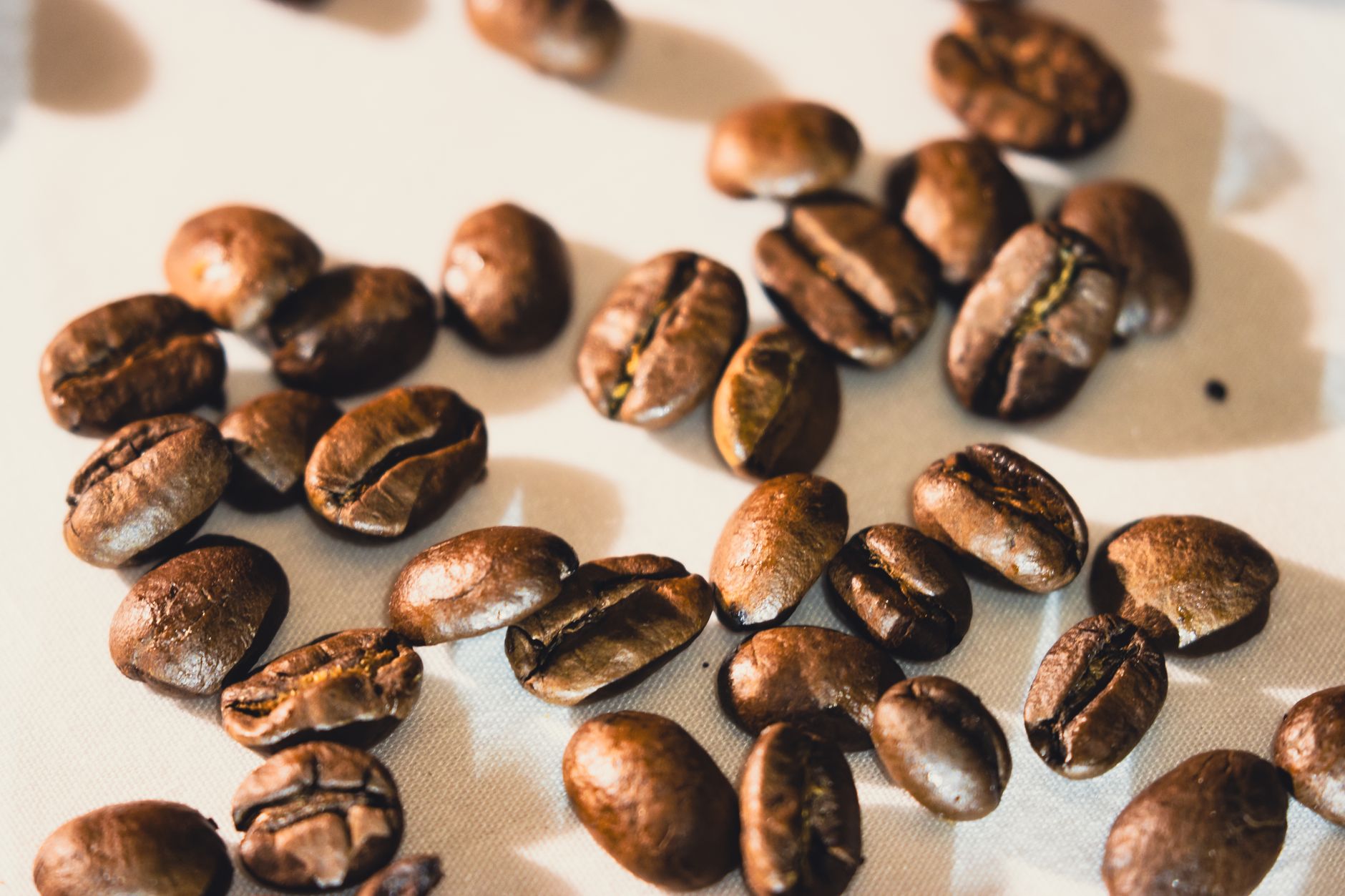
Coffee is a beloved morning ritual for many, but some people wonder whether it might contribute to digestive issues like constipation. Understanding how coffee affects digestion is essential for those who rely on their daily brew. This article explores whether coffee can cause constipation, the science behind caffeine, and tips for balancing coffee consumption with digestive health.
We’ll deep dive into the components of coffee, its influence on gastrointestinal activity, and some practical advice for enjoying your favorite beverage without discomfort. Let’s get started, shall we?
Does Coffee Constipate You?
While coffee can have varying effects on individuals, it generally does not cause constipation for most people. In fact, caffeine can stimulate bowel movements. However, factors such as hydration, dietary habits, and individual sensitivities can influence this effect.
Understanding Coffee and Digestion
To understand if coffee may cause constipation, we need to examine the components of coffee and how they interact with the body.
Caffeine and Its Effects
Caffeine, the primary stimulant found in coffee, has notable effects on the digestive system. It can stimulate the release of gastric acid, promoting digestive activity. For many, this stimulation contributes to the urge to have a bowel movement.
However, excessive caffeine consumption can lead to dehydration. Dehydration is a common contributor to constipation since adequate water intake is essential for proper bowel function. Therefore, while caffeine can stimulate bowel movements, overconsumption can cause the opposite effect by impacting hydration levels.
The Role of Fiber
Fiber plays a critical role in digestive health. A diet rich in fiber helps promote regular bowel movements. Coffee, particularly when consumed plain, lacks fiber; thus, it is crucial to consume fiber-rich foods alongside your coffee to maintain healthy digestion.
Acidity and Stomach Issues
Another aspect to consider is coffee’s acidity, which can lead to stomach discomfort in some individuals. This discomfort might cause temporary alterations in bowel habits, leading some to believe that coffee causes constipation. However, this may primarily stem from irritation rather than actual blockage or irregular bowel movements.
How Much Coffee is Too Much?
Moderation is key when it comes to coffee consumption. The general guideline suggests that up to 400 mg of caffeine per day (about 4-5 cups of coffee) is safe for most adults. Beyond this point, individuals might start to experience adverse effects, including digestive disturbances.
Everyone’s tolerance to caffeine varies, and it’s essential to listen to your body. If you notice discomfort or changes in bowel habits when consuming coffee, consider adjusting the amount or timing of your intake.
Hydration and Coffee Consumption
One of the most significant factors affecting whether coffee contributes to constipation is hydration. Coffee has a diuretic effect, which may increase urine production and, consequently, lead to mild dehydration if consumed in large quantities.
Balancing Coffee with Overall Hydration
To maintain proper hydration levels, ensure you’re drinking an adequate amount of water throughout the day. A common recommendation is to drink at least eight 8-ounce glasses (64 ounces) of water daily, but some may need more depending on activity levels and climate.
If you enjoy coffee, consider the following strategies to balance hydration:
- Drink a glass of water for every cup of coffee consumed.
- Choose decaffeinated coffee or tea options occasionally, which can still provide the ritual without the caffeine’s stimulant effects.
- Incorporate hydrating foods, such as fruits and vegetables, into your diet to support overall hydration.
Common Misconceptions About Coffee and Constipation
Several myths about coffee and digestion exist, which can contribute to misunderstandings about its effects. Here are a few common misconceptions:
1. Coffee is Always Constipating
As previously mentioned, coffee doesn’t universally lead to constipation. For many, it can actually promote regular bowel movements. Individual responses to coffee can vary based on multiple factors, including diet and hydration.
2. Drinking Less Coffee Will Fix Constipation
Some individuals may mistakenly believe that cutting coffee from their diet will relieve constipation. However, this may not address the underlying causes and could result in withdrawal symptoms, affecting mood and energy levels. A balanced approach, including fiber and hydration, is often more effective.
3. All Coffee Types Have the Same Effects
Different types of coffee can affect individuals differently. For example, espresso, cold brew, and drip coffee have varying levels of acidity and caffeine, potentially influencing digestive responses. Experimenting with different varieties might reveal which one feels best for your digestion.
Tips for Enjoying Coffee Without Digestive Discomfort
If you love your coffee but want to avoid potential digestive issues, consider the following tips:
1. Choose Quality Coffee
High-quality coffee beans often have lower acidity than cheaper options. Therefore, opt for specialty coffee brands that focus on acidity levels. Cold brew coffee is also typically less acidic than hot-brewed varieties.
2. Monitor Your Portion Sizes
Sticking to moderated servings of coffee can help mitigate the risk of dehydration and potential discomfort. Consider limiting your intake to no more than 2-3 cups per day, especially if you’re sensitive to caffeine.
3. Time Your Coffee Consumption
Pay attention to when you drink coffee. Consuming coffee on an empty stomach can often lead to discomfort and digestive issues. Pairing coffee with food can help minimize potential irritation and promote smoother digestion.
4. Increase Fiber and Hydration
Incorporate fiber-rich foods such as whole grains, fruits, and vegetables into your daily diet. These foods help promote regular bowel movements. Additionally, stay hydrated with plenty of water throughout the day.
5. Listen to Your Body
Everyone’s body reacts differently to coffee. If you notice any discomfort, bloating, or other digestive issues after drinking coffee, it might be time to address your consumption habits. Keeping a food diary can be helpful to identify patterns and triggers.
Other Dietary Factors That Affect Constipation
While coffee plays a role in digestion, several other dietary factors also influence constipation. Consider the following:
Fiber Intake
A diet low in fiber is one of the leading contributors to constipation. Consuming sufficient fiber promotes bowel regularity. The recommended daily fiber intake is about 25 grams for women and 38 grams for men. Include whole grains, fruits, vegetables, legumes, and nuts in your diet to increase fiber intake.
Hydration
As mentioned earlier, hydration is crucial for healthy digestion. Insufficient fluid intake can lead to hard stools and constipation. Aim to drink adequate amounts of water throughout the day.
Dairy Products
For some individuals, dairy products can contribute to constipation. Lactose intolerance is common and can lead to digestive discomfort. If dairy seems to affect your digestion, consider alternatives such as almond, soy, or oat milk.
Processed Foods
Highly processed foods often lack fiber and essential nutrients, leading to constipation. Focus on whole, unprocessed foods whenever possible to support digestion.
When to Consult a Healthcare Professional
If you experience chronic constipation or significant digestive discomfort, it’s important to consult a healthcare professional. Persistent digestive issues might indicate an underlying condition that requires medical attention or specialized dietary guidance.
Red Flags to Watch For
Here are some signs that suggest it’s time to seek medical advice:
- Severe abdominal pain.
- Blood in stool.
- Unexplained weight loss.
- Changes in bowel habits that last more than two weeks.
Conclusion
In summary, coffee does not inherently cause constipation for most individuals. Its effects on digestion can vary widely based on personal tolerance, hydration, and dietary habits. Enjoying coffee in moderation while prioritizing hydration and fiber intake can help minimize any negative effects on digestion. Make adjustments based on your body’s responses and consult a healthcare professional if you have ongoing concerns.
If you’re interested in incorporating coffee into delicious recipes, explore our Coffee Negroni recipe and Coffee Nudge recipe for delightful beverages that capture the essence of this beloved drink. Enjoy your coffee journey!