
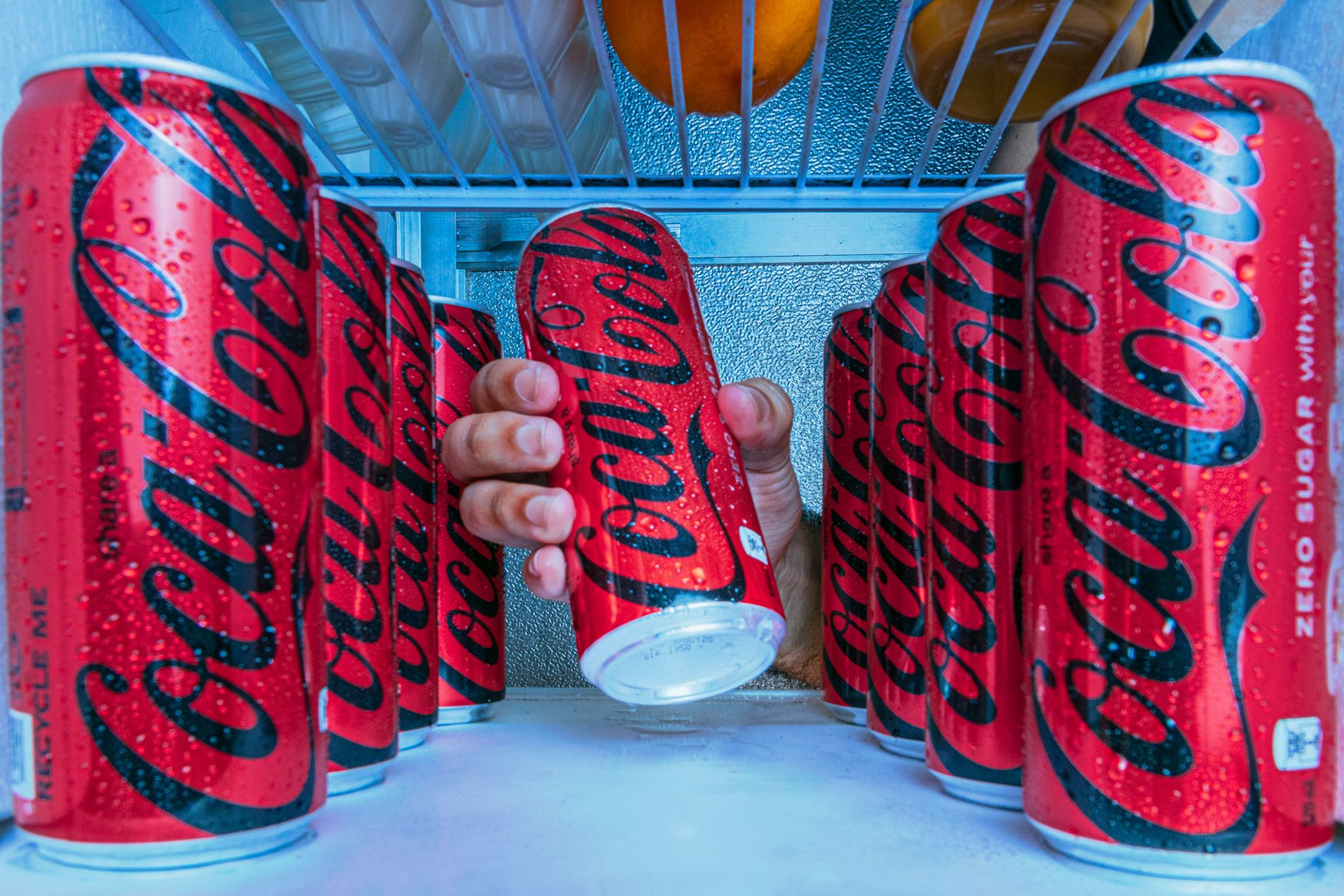
Coke Zero, a popular soda choice among those seeking a flavorful beverage without the calories, often raises questions about its ingredients, particularly its sugar content. Many individuals may be curious about how Coke Zero compares to regular Coke and other sodas when it comes to sweetness and calorie count.
In this article, we will explore the sugar content in Coke Zero, its safety, potential benefits, and practical tips for enjoying it responsibly. Whether you’re aiming to cut back on sugar or simply indulging in a fizzy treat, understanding this beverage can help inform your choices.
How Much Sugar Is In Coke Zero?
Coke Zero is marketed as a zero-sugar soft drink. It contains no sugar whatsoever, making it an appealing option for those looking to reduce their sugar intake. Instead of sugar, Coke Zero is sweetened with artificial sweeteners like aspartame and acesulfame potassium, which provide the sweet taste without the calories associated with sugar.
Understanding Coke Zero Ingredients
Knowing what goes into Coke Zero can help you understand its flavor profile and nutritional implications. Here’s a closer look at the primary ingredients:
- Carbonated Water: The base of the drink, providing the effervescence.
- Caffeine: Added for its stimulating effects, similar to regular Coke.
- Coloring (Caramel Color): Gives Coke Zero its dark hue.
- Phosphoric Acid: Adds tartness and enhances flavor.
- Artificial Sweeteners: Aspartame and acesulfame potassium replace sugar to provide sweetness without calories.
- Natural Flavors: Provides the signature Coca-Cola flavor.
The Safety of Artificial Sweeteners
Many consumers express concern about the safety of artificial sweeteners used in Coke Zero. Aspartame and acesulfame potassium have been evaluated by numerous regulatory agencies, including the U.S. Food and Drug Administration (FDA), which has deemed them safe in moderation.
Here are some key points regarding the safety of these sweeteners:
- Studies show that aspartame is safe for most people, although those with the rare genetic disorder phenylketonuria (PKU) must avoid it.
- Acesulfame potassium is also considered safe, but some studies have noted potential health concerns, leading to calls for further research.
- The acceptable daily intake (ADI) for both sweeteners is set well above the typical consumption levels of those who enjoy diet sodas.
Potential Benefits of Coke Zero
While Coke Zero should be consumed in moderation, it does offer several advantages compared to sugar-sweetened sodas:
- No Sugar: Coke Zero is a great choice for individuals looking to reduce their sugar intake, which can help in weight management and maintaining healthy blood sugar levels.
- Lower Caloric Content: With zero calories, Coke Zero can be enjoyed without the guilt associated with sugary beverages.
- Flavor Variety: For those who love carbonated drinks but wish to avoid sugar, Coke Zero provides a tasty alternative with various flavors available.
Considerations When Drinking Coke Zero
Despite its advantages, it’s essential to approach Coke Zero with some caution:
- Cravings for Sweetness: Some studies suggest that consuming artificially sweetened products may increase cravings for sweet foods, which could make it more challenging to reduce sugar overall.
- Hydration: While Coke Zero can contribute to your fluid intake, drinking water should remain a priority for hydration.
- Individual Reactions: Some people may experience digestive discomfort from artificial sweeteners. If you notice adverse effects, it may be worth reconsidering your consumption.
Practical Tips for Enjoying Coke Zero
If you’re including Coke Zero in your diet, here are some practical tips to make the most of it:
- Pair with Healthy Meals: Sipping Coke Zero with your meals can help satisfy cravings for something sweet without overwhelming your calorie intake.
- Enjoy Moderately: While it can be tempting to consume it regularly, moderation is key to maintaining a balanced diet.
- Explore Flavors: Try various flavors of Coke Zero to keep things interesting and find your favorite.
- Stay Mindful of Other Diet Choices: Ensure that your overall diet remains healthy and balanced, even if you enjoy diet soda occasionally.
Alternatives to Coke Zero
If you’re looking for alternatives to Coke Zero, either for variety or due to personal dietary preferences, consider these options:
- Sparkling Water: Naturally flavored sparkling waters can provide fizz without sugar or artificial sweeteners.
- Diet Soft Drinks: Other diet sodas contain different sweeteners; however, check their ingredient labels for your dietary needs.
- Homemade Infused Water: Create a refreshing drink by infusing water with fruits, herbs, or citrus for natural sweetness.
Making Informed Choices
When selecting beverages for your diet, consider reading labels carefully. Understanding sugar content, total ingredients, and nutritional information empowers you to make informed choices. Furthermore, consider following these steps:
- Check the ingredient label after every purchase to ensure there have been no changes.
- Understand your personal health goals, whether that’s reducing sugar, lowering calories, or other targets.
- Consider the overall context of your diet. Will a soda fit your nutritional needs today?
Conclusion
Coke Zero is a zero-sugar soda that can be enjoyed as a flavorful beverage option with some distinct benefits, particularly when aiming to reduce sugar consumption. However, it’s essential to enjoy it mindfully, taking care to balance it within a broader diet that emphasizes whole foods and hydration. For those looking to indulge without the calories, Coke Zero remains a useful option in moderation.
For more insights on drinks and healthier choices, explore other topics and resources available on our site.