
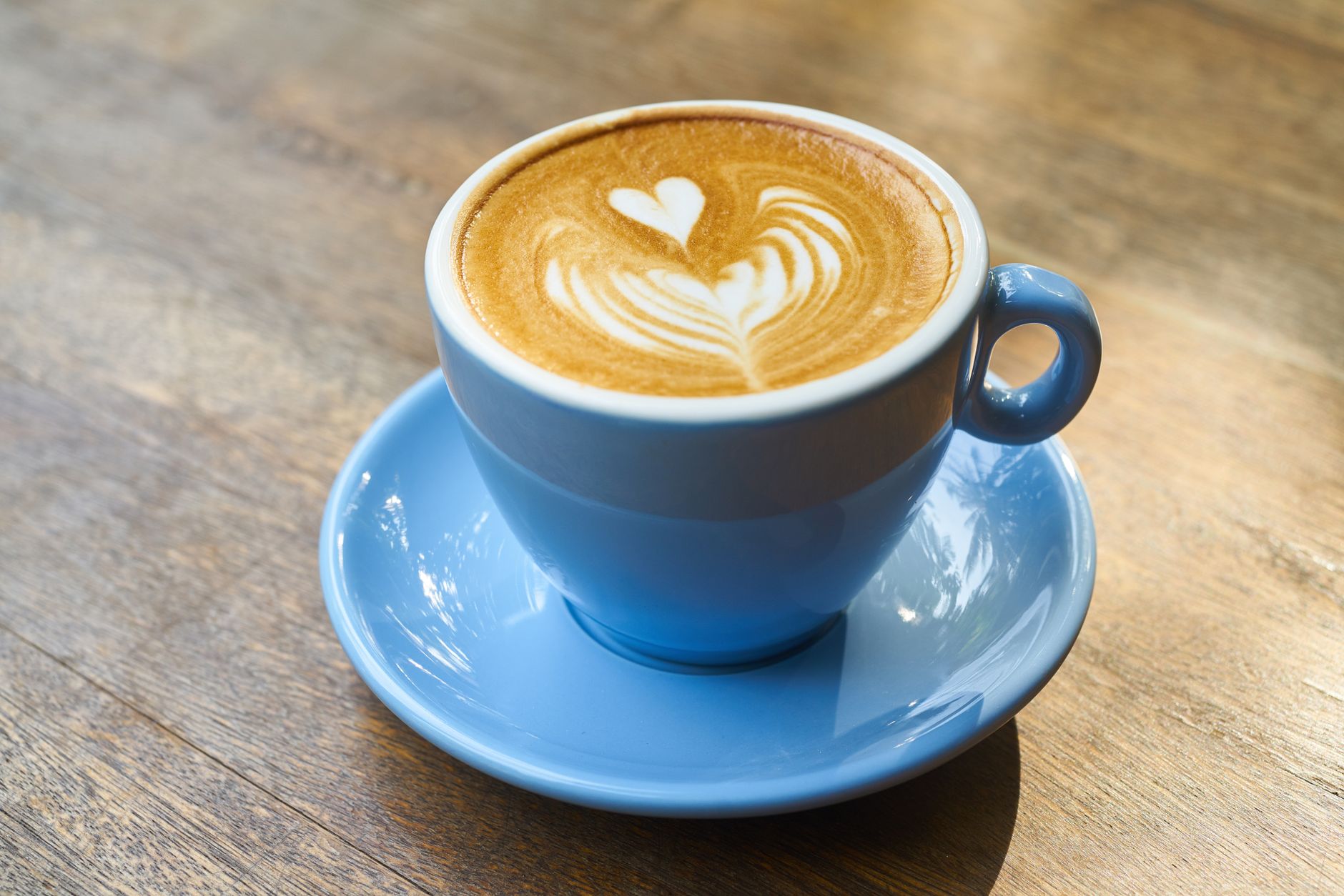
Espresso is a beloved coffee beverage known for its rich flavor and robust aroma. Often the base for many popular drinks, its caffeine content is a frequent point of discussion among coffee lovers. If you’re curious about how much caffeine is in a shot of espresso, you’re not alone. Understanding this can help you make informed choices about how much caffeine you consume, what types of beverages to enjoy, and even how to use espresso in different recipes.
This article delves into the caffeine content of espresso, providing useful insights into serving sizes, factors affecting caffeine levels, and how it compares to other coffee drinks. Whether you’re an espresso aficionado or just learning about it, you’ll find plenty of valuable information here.
How Much Caffeine Is In A Espresso?
On average, a single shot (1 ounce) of espresso contains approximately 63 milligrams of caffeine. This amount can vary based on various factors, including the type of coffee beans used, the roast level, and the brewing technique. Understanding these nuances will help you better gauge your caffeine intake from espresso.
Understanding Caffeine Content
Caffeine is a natural stimulant that affects the central nervous system, leading to increased alertness and reduced fatigue. It’s found in various foods and beverages, but coffee, particularly espresso, is one of the most popular sources. Knowing how much caffeine is in different coffee drinks can help you determine how much to consume based on your personal sensitivity and lifestyle.
Serving Sizes and Caffeine Content
- Single Shot Espresso (1 oz): About 63 mg of caffeine
- Double Shot Espresso (2 oz): Around 126 mg of caffeine
- Espresso-based Drinks: The caffeine content can vary significantly; for example, a standard latte (8 oz) may contain about 63 mg of caffeine if made with a single shot.
Factors Affecting Caffeine Content in Espresso
Several factors influence the amount of caffeine in espresso, including the type of coffee beans, roasting process, and brewing method. Knowing these can help you choose your espresso beans wisely, especially if you want more or less caffeine in your drink.
1. Coffee Bean Type
The type of coffee beans used plays a significant role in caffeine levels. Arabica beans, which are commonly used for espresso, generally have lower caffeine content than Robusta beans. If you prefer a more robust cup of espresso, consider using Robusta beans, which can have twice as much caffeine as Arabica.
2. Roasting Process
The roast level of the coffee beans can also impact caffeine content. Contrary to popular belief, darker roasts often contain slightly less caffeine than lighter roasts. This is because the roasting process breaks down some of the caffeine. However, the flavor profiles change dramatically; darker roasts tend to be more bitter, while lighter roasts are often more acidic and fruity.
3. Brewing Time and Technique
Espresso is brewed under pressure, which extracts caffeine more efficiently. The brewing time is typically short (around 25-30 seconds for a shot), but variations in water temperature, tamping pressure, and grind size can alter the final caffeine concentration. If brewed too quickly or at lower temperatures, you might end up with a shot that’s less espresso and more flavor.
Comparing Espresso and Other Coffee Drinks
Understanding caffeine content is easier when you compare espresso with other types of coffee drinks. This comparison can help you decide which drink suits your needs best, whether for energy, flavor, or even dessert possibilities.
Caffeine Comparison Table
| Coffee Drink | Serving Size | Caffeine Content |
|---|---|---|
| Espresso (Single) | 1 oz | 63 mg |
| Espresso (Double) | 2 oz | 126 mg |
| Drip Coffee | 8 oz | 95 mg |
| Cappuccino | 6 oz | 63 mg |
| Latte | 8 oz | 63 mg |
| Cold Brew | 8 oz | 100 mg |
As you can see, a single shot of espresso has a high caffeine concentration per ounce compared to other types of coffee. However, it’s vital to consider the overall drink size when assessing total caffeine intake.
How to Make the Perfect Espresso
Making a great cup of espresso not only depends on the caffeine content but also on the brewing technique. Here are some steps to guide you in making the perfect espresso.
Essential Equipment
- Espresso machine or stovetop espresso maker
- Freshly ground coffee beans (preferably Arabica or Robusta)
- Scale for measuring
- Tamper for compressing the coffee grounds
- Coffee grinder
Step-by-Step Instructions
- Measure Your Coffee: Use about 18-20 grams of coffee for a double shot. Grind it to a fine consistency.
- Tamp the Coffee: Place the coffee grounds into the portafilter and use even pressure to tamp them down, ensuring a level surface.
- Preheat Your Machine: Turn on your espresso machine and allow it to preheat for about 15-20 minutes.
- Insert the Portafilter: Lock the portafilter into the machine’s group head.
- Brew the Espresso: Start the extraction and aim for a brew time of 25-30 seconds. Aim for a rich, caramel-colored crema on top.
- Serve Immediately: Espresso is best enjoyed fresh, so serve it right after brewing.
Common Mistakes to Avoid
Making espresso can be straightforward, but some common mistakes can affect both flavor and caffeine extraction. Here’s what to watch out for.
- Using stale coffee beans – Always use freshly roasted beans.
- Incorrect grind size – Too coarse will lead to weak coffee, while too fine can cause bitterness and clogging.
- Inadequate tamping – Not applying enough pressure can lead to uneven extraction.
- Skipping preheating the machine – This ensures optimal brewing temperatures for extraction.
Using Espresso in Recipes
Espresso is not just a drink; it can be incorporated into various recipes, enhancing both flavor and providing that caffeine boost. Here are a few popular ideas.
Espresso Drinks
- Espresso Martini: A delightful cocktail combining vodka, espresso, and coffee liqueur.
- Affogato: Vanilla ice cream or gelato served with a shot of hot espresso poured over it for a delicious dessert.
- Hazelnut Shaken Espresso: A refreshing drink that combines espresso, hazelnut syrup, and ice for a delightful summer treat. Check out the recipe here.
Baking with Espresso
Espresso can also elevate baked goods, imparting a rich flavor. Here are some ideas:
- Chocolate espresso brownies or cakes
- Espresso-infused tiramisu.
- Coffee-flavored cookies.
Storing Espresso
If you’re looking to make espresso in bulk or store brewed espresso, here are some tips:
- Freshness is Key: Brewed espresso should ideally be consumed immediately but can be refrigerated in an airtight container for up to two days.
- Storing Beans: Keep coffee beans in a cool, dark place in an airtight container to maintain flavor and caffeine content.
Conclusion
Understanding the caffeine content in espresso, along with how to brew it correctly, can greatly enhance your coffee experience. With an average of 63 mg of caffeine per 1 oz shot, it’s a potent source of energy that can be enjoyed in various forms—from drinks to desserts. Embracing espresso opens up a world of flavors and possibilities in your culinary pursuits.
For more delicious coffee recipes or beverage guides, feel free to explore our hazelnut shaken espresso recipe or learn how to make an espresso martini with cold brew.