
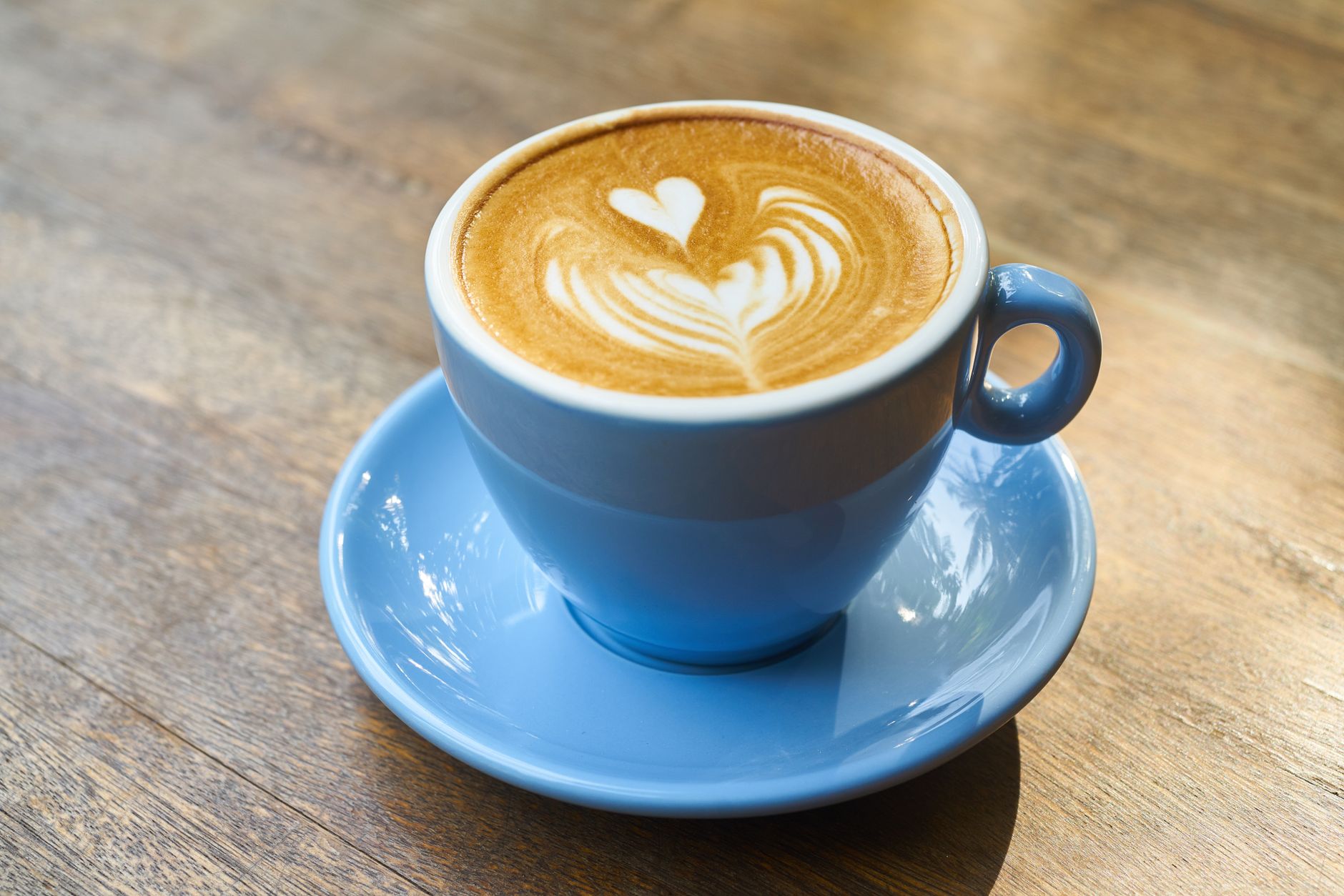
Many coffee lovers start their day with a freshly brewed cup of coffee. However, a common question that arises is, “How much caffeine is in a cup of coffee?” Understanding caffeine content is essential for anyone looking to manage their energy levels, explore coffee options, or simply enjoy their daily brew without surprises.
This article delves into the caffeine content of coffee, how it’s measured, factors that influence it, and tips for caffeine consumption to help you savor your coffee responsibly.
How Much Caffeine Is In A Cup Of Coffee?
A typical 8-ounce cup of brewed coffee contains about 95 milligrams of caffeine on average. However, this amount can vary significantly depending on factors like the type of coffee bean, brewing method, and serving size.
Understanding Caffeine Content in Coffee
Caffeine is a natural stimulant found in several plants, including coffee beans, tea leaves, and cacao pods. It affects the central nervous system and can help improve alertness and mood. Coffee is one of the most popular sources of caffeine globally, making its caffeine content an important topic for many.
General Caffeine Content by Type of Coffee
Different types of coffee have varying caffeine levels. Here’s a breakdown:
- Brewed Coffee: 95 mg per 8 oz serving
- Espresso: 63 mg per 1 oz shot
- Instant Coffee: 30-90 mg per 8 oz serving
- Decaffeinated Coffee: 2-5 mg per 8 oz serving
- French Press Coffee: Up to 200 mg per 8 oz serving
- Drip Coffee: Typically 135 mg per 8 oz serving
Factors Influencing Caffeine Content
The caffeine content in coffee can be influenced by several factors:
Type of Coffee Bean
There are primarily two types of coffee beans: Arabica and Robusta. Arabica beans generally contain less caffeine than Robusta beans. Here is a quick comparison:
- Arabica: Approximately 1.2% caffeine content
- Robusta: Approximately 2.2% caffeine content
Brewing Method
The brewing method significantly impacts caffeine extraction:
- Brewing Time: Longer brewing times extract more caffeine. For instance, a French press, which steeps for several minutes, may yield higher caffeine levels than drip coffee.
- Water Temperature: Hotter water extracts caffeine more effectively. Brewing coffee at higher temperatures can lead to a more potent cup.
- Grind Size: Finer coffee grounds allow for better extraction of caffeine, which is why espresso, made with fine coffee grounds, has a higher caffeine concentration despite its smaller serving size.
Serving Size
Different restaurants and coffee shops may serve larger or smaller cups of coffee. A standard serving size of coffee can vary significantly across establishments. Additionally, specialty drinks like lattes or flavored coffees can have varied caffeine amounts based on the number of shots of espresso they contain.
How to Measure Caffeine in Your Coffee
If you want to track your caffeine intake, you can use several methods:
Label and Nutritional Information
Many commercial coffee brands and blends provide caffeine content on their packaging or website. Always check these labels when purchasing pre-packaged coffee.
Online Databases
Various online resources and databases offer average caffeine content for popular coffee brands and beverages. Websites like the USDA’s FoodData Central provide reliable information about caffeine levels.
Health Recommendations for Caffeine Consumption
The Dietary Guidelines for Americans suggest that moderate coffee consumption (up to 400 mg of caffeine per day) is generally safe for most adults. Here are some tips for managing your caffeine intake:
Listen to Your Body
Caffeine affects everyone differently. Pay attention to how your body reacts and adjust your intake accordingly.
Avoid Caffeine Late in the Day
Consuming caffeine later in the day can interfere with sleep. If you have difficulty sleeping, aim to limit caffeine intake to the early part of the day.
Consider Total Caffeine Intake
Take into account all sources of caffeine, including tea, energy drinks, and certain medications. Keeping track will help you stay within safe limits.
Decaf Options
If you’re sensitive to caffeine, consider decaffeinated coffee or coffee alternatives. They provide the flavor without the jitters.
Common Myths About Coffee and Caffeine
Several misconceptions about coffee and caffeine circulate among coffee enthusiasts. Here are a few clarifications:
Myth: Dark Roast Coffee Has More Caffeine
While many assume that dark roast coffee has more caffeine, the roasting process decreases the caffeine content slightly. A light roast actually retains more caffeine due to less exposure to heat.
Myth: All Caffeine is the Same
Caffeine in coffee interacts uniquely with other compounds found in coffee, such as antioxidants. This can affect how caffeine impacts your body compared to other sources like energy drinks.
Myth: Caffeine is Dehydrating
While caffeine has a mild diuretic effect, moderate coffee consumption does not significantly contribute to dehydration, according to various studies.
How to Brew Coffee with Optimal Caffeine Levels
If you’re looking to maximize caffeine content in your brew, following these brewing tips can help:
Choose the Right Bean
Select Robusta coffee beans if you prefer a higher caffeine content. If you enjoy the smooth flavor of Arabica, opt for a darker roast to keep caffeine levels higher.
Brewing Methods
- French Press: Use coarsely ground coffee and steep for 4 minutes to enjoy a robust flavor and high caffeine content.
- Aeropress: This method steeped for a shorter time (around 30 seconds to 1 minute) but allows for a higher coffee-to-water ratio, enhancing caffeine concentration.
- Cold Brew: Because cold brew uses a higher coffee-to-water ratio and steeps for an extended period, it can be considerably potent compared to hot brewed coffee.
Storage Tips for Your Coffee
Properly storing your coffee can help preserve its flavor and caffeine potency. Here are some best practices:
Keep It Air Tight
Store coffee beans in an airtight container to prevent them from going stale. Oxygen, moisture, and light can degrade the quality.
Store in a Cool, Dark Place
A pantry or a dedicated coffee storage container helps keep your coffee fresh. Avoid keeping it near heat sources, light, or humidity.
Avoid Freezing (Unless Necessary)
While some people freeze coffee beans, it can lead to moisture damage each time the bag is opened. If you choose to freeze, do so only once. Ensure all moisture is removed before sealing.
Conclusion
Finding the right caffeine content in coffee is just as essential as preparing the perfect brew. By considering the type of beans, brewing methods, and serving sizes, you can tailor your coffee experience to suit your preferences while being mindful of your caffeine intake. Incorporating these guidelines allows you to enjoy your coffee while managing its stimulating effects.
If you love coffee, explore our related guides on crafting iced coffee or making sweet brown sugar coffee. Happy brewing!