
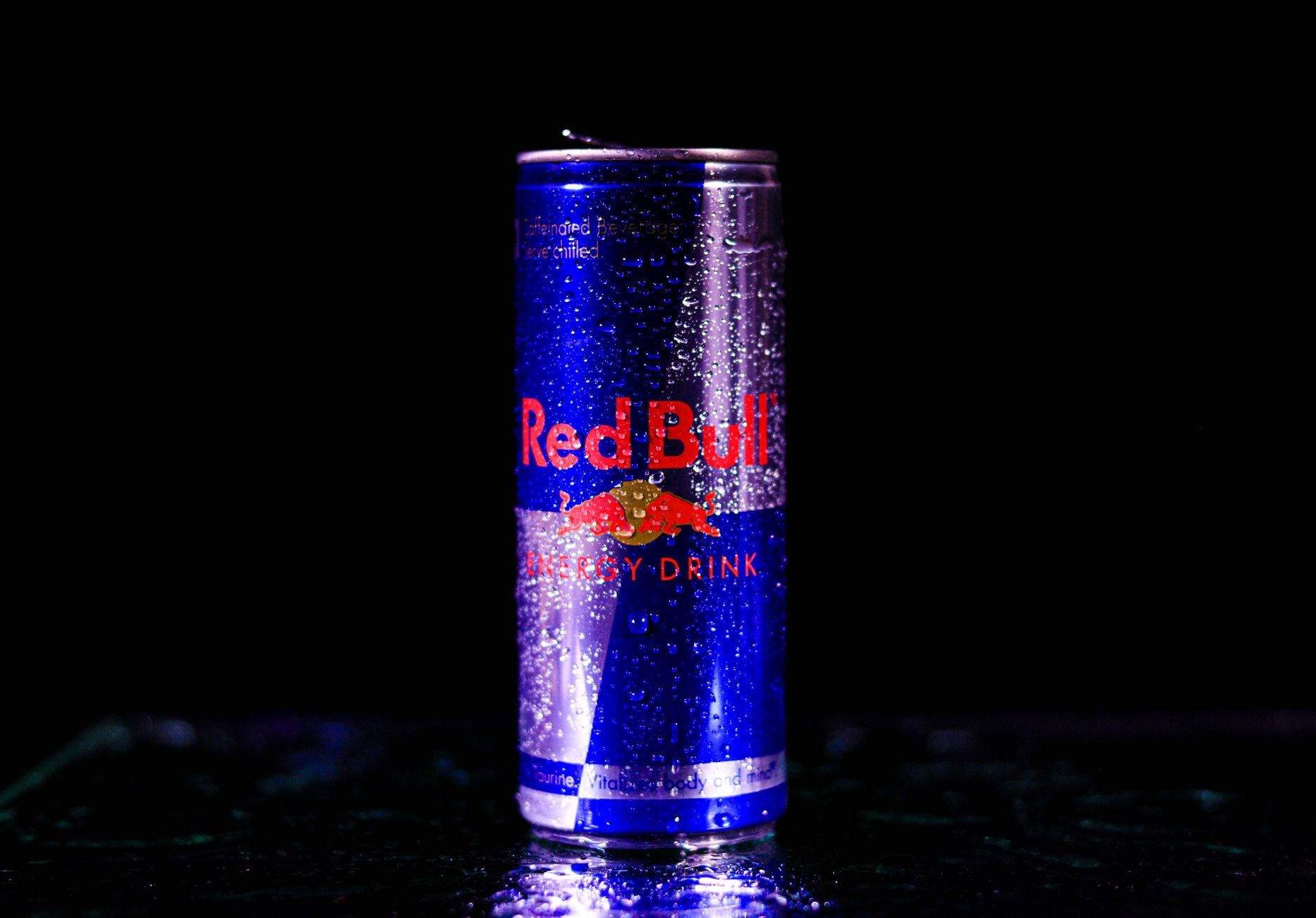
For many people, energy drinks like Red Bull have become a common choice for a quick boost during long workdays, workout sessions, or social events. With a unique flavor and energizing properties, Red Bull has secured its place in the market. But just how much caffeine is pack in a small Red Bull? Understanding the caffeine content is essential for making an informed choice about energy consumption.
This article will delve into the caffeine levels found in a small Red Bull, as well as important facts about its ingredients, potential health impacts, and suitable consumption guidelines.
How Much Caffeine Is in a Small Red Bull?
A small can of Red Bull—typically defined as an 8.4 fluid ounce (250 mL) serving—contains approximately 80 milligrams of caffeine. This amount is comparable to the caffeine found in a typical cup of brewed coffee, which may vary but averages around 95 milligrams per 8-ounce serving.
Understanding how this amount fits within daily recommended caffeine limits is important for consumers looking to maintain a balanced diet and avoid overconsumption. The Dietary Guidelines for Americans recommend limiting caffeine intake to about 400 milligrams per day for most adults. This means that one small Red Bull accounts for just under 20% of the daily allowance.
Breaking Down Red Bull’s Ingredients
Besides caffeine, a small Red Bull contains other key ingredients that contribute to its energy-boosting effects. The primary components include:
- Carbonated Water: Forms the base of the beverage, adding fizz and hydration.
- Sucrose and Glucose: Sugars that provide quick energy bursts. A small Red Bull contains about 27 grams of sugar, which is roughly equivalent to 6.5 teaspoons.
- Citric Acid: Used for flavoring and as a preservative, enhancing acidity.
- Taurine: An amino acid that plays roles in several biological processes and may help improve exercise performance.
- Niacinamide: Also known as vitamin B3, plays a role in energy metabolism and supports overall health.
- Vitamin B6: Aids in energy production and cognitive function.
- Vitamin B12: Helps maintain healthy nerve cells and supports energy metabolism.
- Natural and Artificial Flavors: Provide the unique taste of Red Bull.
- Preservatives: Help extend shelf life and maintain freshness.
Caffeine’s Role in Energy Drinks
Caffeine serves as a central nervous system stimulant, providing a temporary boost in alertness and energy levels. For many individuals, caffeine helps reduce fatigue, enhance focus, and improve physical performance during activities. However, it’s important to consider personal sensitivity to caffeine, as effects can vary greatly among individuals.
Potential Benefits of Consuming Caffeine
Research indicates several potential benefits associated with caffeine consumption:
- Improved Physical Performance: Caffeine can enhance endurance and performance in physical activities, making it popular among athletes.
- Enhanced Mental Alertness: It may improve focus, concentration, and reaction time, especially in sleep-deprived individuals.
- Temporary Mood Boost: Many consumers report a heightened sense of well-being and alertness after caffeine consumption.
Potential Risks Associated with Caffeine
Despite its benefits, excessive caffeine consumption can lead to negative side effects, including:
- Insomnia: Excessive intake close to bedtime can disrupt sleep patterns.
- Anxiety: High doses may exacerbate anxiety symptoms in sensitive individuals.
- Increased Heart Rate: Some people may experience palpitations or increased heart rates with heightened consumption.
- Digestive Issues: Too much caffeine can lead to stomach discomfort or upset.
Guidelines for Safe Consumption
While many enjoy a small can of Red Bull for its invigorating properties, moderation is key. Here are some practical tips for safe consumption:
- Know your limits: If you’re not a regular caffeine consumer, start with a smaller amount to gauge your tolerance.
- Avoid mixing: Refrain from combining Red Bull with other caffeine sources, like coffee or caffeinated teas.
- Pay attention to your body: Be mindful of any signs of distress, like jitters, increased heart rate, or anxiety.
- Consider timing: Limit Red Bull consumption to earlier in the day to avoid sleep disruptions.
Comparing Small Red Bull with Other Caffeinated Beverages
Understanding how Red Bull stacks up against other popular caffeinated beverages can be useful. Here’s a comparison based on an 8-ounce serving:
| Drink | Caffeine Content (mg) |
|---|---|
| Small Red Bull (8.4 oz) | 80 |
| Coffee (Brewed) | 95 |
| Espresso (1 oz) | 63 |
| Green Tea (8 oz) | 30-50 |
| Black Tea (8 oz) | 40-70 |
This table illustrates that while a small Red Bull offers a relatively moderate caffeine content, it remains comparable to other beverages in terms of energy boost. Additionally, other factors like sugar content and additional ingredients can influence overall consumption experience.
Alternatives to Red Bull
If you’re seeking alternatives to Red Bull but want similar energy-boosting effects, consider these options:
- Homemade Iced Coffee: Brew your favorite coffee, chill it, and enjoy it over ice for a refreshing energy drink.
- Tea Infusions: Choose green, black, or herbal teas for a flavorful, lower-caffeine option.
- Yerba Mate: A traditional South American beverage with a unique flavor profile and energized effects.
- Matcha Powder: Packed with antioxidants, matcha has a smooth taste and steady energy release.
When to Consider Avoiding Red Bull
There are specific situations where avoiding Red Bull or any energy drink may be in your best interest:
- Pregnancy: Pregnant individuals should limit caffeine intake and consult healthcare providers.
- Heart Conditions: Those with existing heart conditions or hypertension should refrain from high-caffeine beverages.
- Anxiety Disorders: Individuals sensitive to anxiety may want to avoid stimulants to prevent exacerbating symptoms.
- Children and Adolescents: Caffeine is unsuitable for young children and should be limited for teenagers.
Conclusion
As we’ve discussed, a small Red Bull contains about 80 milligrams of caffeine, providing users with an energy boost. It’s important for consumers to be mindful of their caffeine intake, considering both the positive and negative effects it can have on the body. Whether you’re reaching for an energy drink to get through a demanding day or looking for alternatives, moderation and awareness of personal tolerance levels are crucial for maintaining balance.
For more ideas and insights on healthy drink options, consider exploring our guides on homemade beverages, energizing smoothies, or alternatives to sugary drinks.