
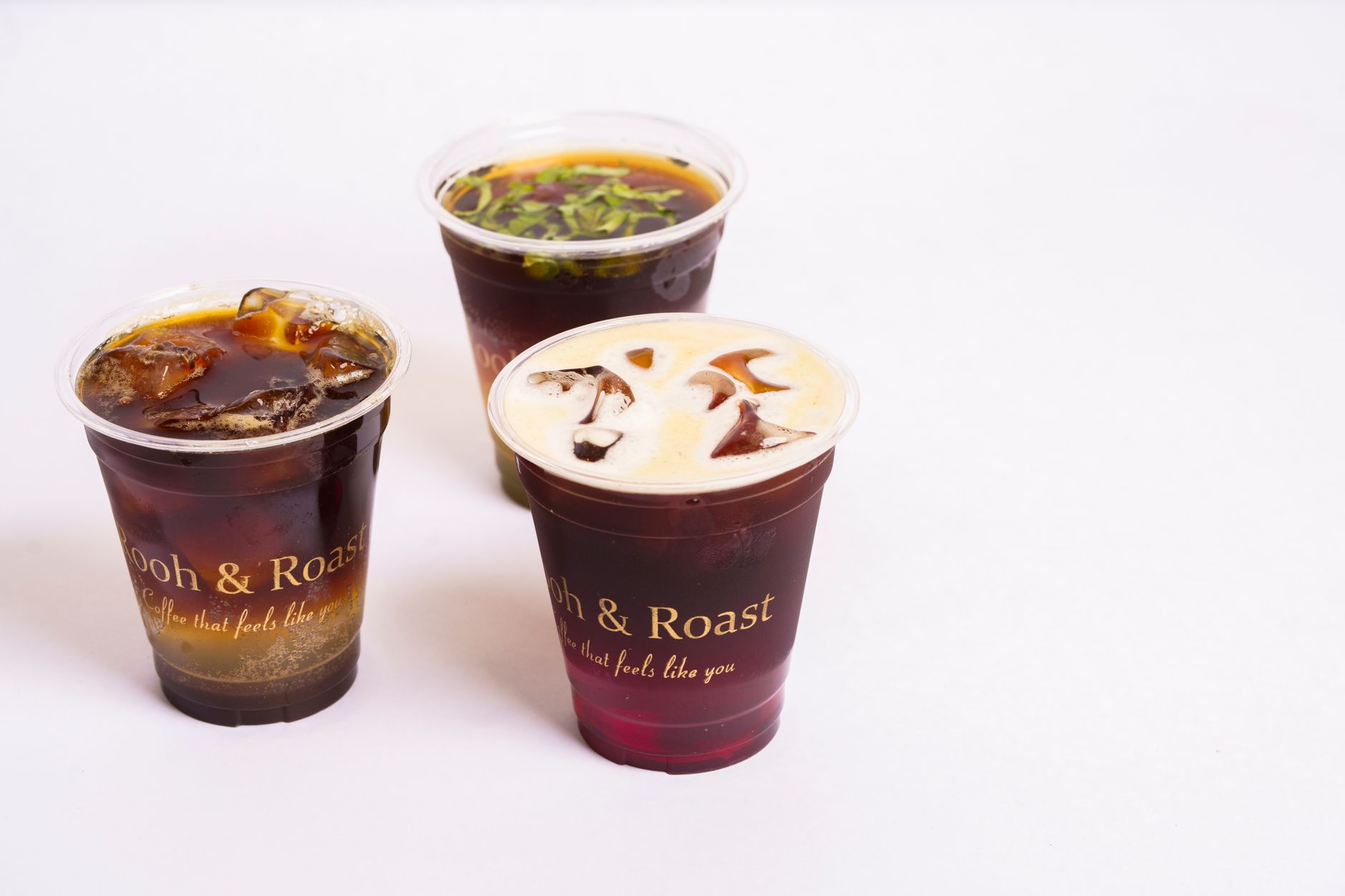
Cold brew coffee has gained immense popularity in recent years, especially among coffee aficionados looking for a smoother alternative to traditional brewing methods. One of the prominent players in this realm is Starbucks, which offers a straightforward cold brew option that attracts countless customers. Understanding how much caffeine is in a Starbucks cold brew can aid you in making informed choices for your caffeine intake.
This guide provides a comprehensive overview of caffeine content in Starbucks cold brew coffee, explains how this beverage is made, and discusses variations, flavor profiles, and practical considerations for coffee lovers. By the end, you will be well-versed in all things related to caffeine and Starbucks cold brew coffee.
How Much Caffeine Is in a Cold Brew Starbucks?
A standard Tall Cold Brew Coffee from Starbucks contains approximately 200 milligrams of caffeine. In comparison, their Grande size has about 300 milligrams, while the Venti contains around 400 milligrams. This caffeine content varies slightly based on brewing techniques and the amount of coffee used. Overall, Starbucks cold brew coffee tends to have a higher caffeine concentration than regular brewed coffee due to its unique brewing method.
Understanding Cold Brew Coffee
Cold brew coffee is made by steeping coarsely ground coffee beans in cold or room-temperature water for an extended period, usually 12 to 24 hours. Unlike traditional brewing methods, which use hot water to extract flavors quickly, cold brewing allows for a smoother, less acidic beverage. This process results in a coffee concentrate that can be diluted with water or milk when served.
The Brewing Process
The cold brew brewing process generally involves the following steps:
- Choose Your Coffee Beans: Select coarsely ground coffee beans that are ideal for cold brewing. Some popular choices include medium to dark roasts for a rich flavor.
- Mix with Water: Combine coffee grounds and cold or room-temperature water in a suitable container at a recommended ratio of 1:4 (coffee to water).
- Steep: Allow the mixture to steep in the fridge for 12 to 24 hours, which extracts the coffee flavors gradually without acidity.
- Filter: Strain the mixture through a fine mesh strainer or a coffee filter to separate the grounds from the liquid, resulting in your cold brew concentrate.
- Dilute and Serve: Dilute the concentrate with water or milk to your desired taste, ice, and enjoy!
Caffeine Content Compared to Other Drinks
When comparing the caffeine content in Starbucks cold brew to other popular Starbucks drinks, you’ll notice significant differences. Here’s how it stacks against some common options:
- Hot Brewed Coffee: A Tall brewed coffee contains about 260 milligrams of caffeine.
- Espresso: A single shot of espresso has around 75 milligrams of caffeine.
- Iced Coffee: A Tall iced coffee has about 165 milligrams of caffeine.
- Frappuccino: Depending on the flavor, a Tall Frappuccino contains approximately 100 milligrams of caffeine or less.
Why Cold Brew Has More Caffeine
The higher caffeine content in cold brew compared to hot brewed coffee can be attributed to the brewing technique itself. The extended steeping time extracts more caffeine and flavors from the coffee grounds, resulting in a stronger beverage. As a result, if you’re looking for a caffeine boost, cold brew might be the way to go.
Variations of Cold Brew at Starbucks
Starbucks offers several cold brew variations beyond the classic option, each with unique flavors and caffeine levels. Here are some popular choices:
- Vanilla Sweet Cream Cold Brew: This version adds a splash of vanilla sweet cream, which enhances creaminess and sweetness while still providing a robust coffee flavor. The caffeine content remains comparable to the standard cold brew.
- Cold Brew with Cascara Cold Foam: Adding cascara cold foam introduces unique flavors, reminiscent of cherry blossoms. The caffeine level stays similar to the original cold brew.
- Salted Caramel Cream Cold Brew: A seasonal favorite that adds a salted caramel cream layer on top. This variation has a similar caffeine level but adds extra sweetness.
- Cold Brew with Milk: For a creamier texture, some customers order cold brew with milk or cream. This dilution changes the flavor profile without significantly affecting caffeine content.
Points to Consider
As with any caffeinated beverage, it’s essential to consume cold brew coffee mindfully. Consider the following:
- Caffeine Sensitivity: Individuals may have varying levels of sensitivity to caffeine, so being aware of your personal limits is crucial.
- Timing: Drinking cold brew later in the day may interfere with sleep, especially if it contains a high caffeine content.
- Health Considerations: If you have certain medical conditions or are pregnant, consult a healthcare professional before consuming large amounts of caffeine.
Making Cold Brew at Home
If you want a more cost-effective approach to enjoying cold brew, consider making it at home. The process is straightforward, and you can control the ingredients and flavor profile. Here’s a simple homemade cold brew recipe:
Homemade Cold Brew Coffee Recipe
This recipe yields about 4 servings, takes about 15 minutes of preparation, and requires steeping overnight.
- Ingredients:
- 1 cup coarsely ground coffee
- 4 cups cold or room-temperature water
- Equipment:
- Large jar or pitcher
- Fine mesh strainer or coffee filter
Instructions
- Combine: In a large jar, mix the coarsely ground coffee with cold or room-temperature water.
- Steep: Cover the jar and let it steep in the refrigerator for 12 to 24 hours.
- Filter: Once steeped, strain the mixture through a fine mesh strainer or coffee filter to separate the grounds from the coffee.
- Store: Transfer the cold brew concentrate to a clean jar or pitcher for storage. It can be kept in the fridge for up to two weeks.
- Serve: Dilute the concentrate with water or milk at a 1:1 ratio or to taste, serve over ice, or enjoy as you like.
Common Mistakes to Avoid
When making cold brew at home, here are some common pitfalls to avoid:
- Using Hot Water: Ensure you use cold or room-temperature water only to maintain cold brew’s smooth flavor profile.
- Not Allowing Enough Steeping Time: Steeping for less than 12 hours might not produce the desired strength and flavor.
- Poor Filtering: Inadequate filtering may leave sediment in your brew, affecting texture and taste.
Storage and Shelf Life
When storing homemade cold brew, it is best kept in the refrigerator. The shelf life usually lasts for up to two weeks when properly sealed in a container. However, the flavor may slightly degrade over time, so it’s recommended to consume it within the first week for a better taste experience.
Final Thoughts
Starbucks cold brew coffee provides a refreshing and highly caffeinated option for coffee lovers seeking a smoother taste. With a standard caffeine content ranging from 200 to 400 milligrams depending on the size, it serves as a robust choice for a caffeine boost. Whether you enjoy it at your local Starbucks or decide to make your own at home, knowing the facts about caffeine and cold brew can enhance your coffee experience.
For those looking to explore further, consider experimenting with different coffee bean types, brewing ratios, and cold brew variations. You may discover a combination you love!
Explore more about making your drinks by checking out these recipes for cold brew coffee concentrate and iced coffee concentrate. Enjoy your coffee adventure!