
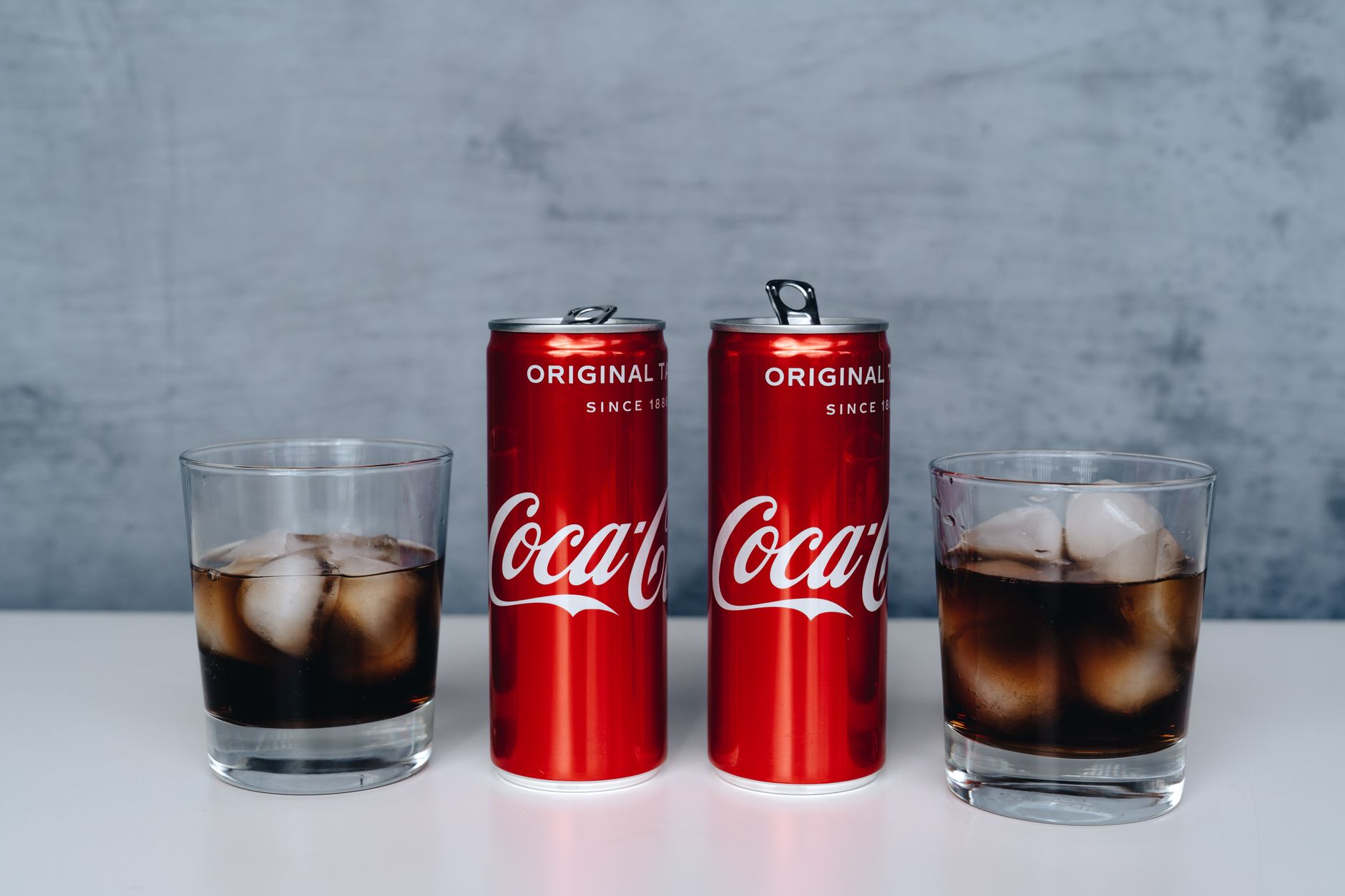
When it comes to beverages, soda is often a go-to choice for many people. With its effervescence and sweet taste, it’s hard to resist. However, one question that frequently arises is how much caffeine is found in soda. This article will delve into the caffeine content in various soda brands, comparing them with other popular caffeinated beverages.
Understanding the caffeine levels in soda can help you make informed choices about your beverage consumption. Whether you’re monitoring your caffeine intake for health reasons or simply curious, this comprehensive guide will cover everything you need to know about the caffeine in your favorite sodas.
How Much Caffeine Does Soda Have?
The caffeine content in soda varies significantly between different brands and types. On average, a 12-ounce can of soda can contain anywhere from 0 to about 70 milligrams of caffeine. However, it’s essential to note that not all sodas are created equal when it comes to caffeine levels.
Understanding Caffeine Content in Popular Sodas
Below is a general overview of the caffeine content in some widely consumed sodas. This will help you gauge how much caffeine you’re getting with each serving.
| Soda Name | Caffeine (mg per 12 oz) |
|---|---|
| Coca-Cola Classic | 34 |
| Diet Coke | 46 |
| Pepsi | 38 |
| Mountain Dew | 54 |
| Dr Pepper | 41 |
| Sprite | 0 |
| Root Beer | 0 |
| Barq’s Root Beer | 22 |
| Energy Drinks | 80 (average) |
Factors Influencing Caffeine Content
Several factors can affect the caffeine content in soda. Here are some key elements to consider:
- Brand and Type: Different brands often have varying formulations. Diet sodas may have different caffeine levels compared to their regular counterparts.
- Flavor Variants: Some flavored sodas or special editions can have different caffeine levels based on additional ingredients.
- Packaging: The size of the package can also influence the amount of caffeine you consume. Larger sizes offer more caffeine overall.
- Sweeteners: Artificial sweeteners can interact differently with your body, potentially affecting the perceived energy levels from caffeine.
Comparing Soda Caffeine Levels with Other Beverages
To provide a clearer picture, it’s useful to compare soda to other common beverages. Here’s how sodas stack up against various coffee drinks and energy drinks:
| Beverage Type | Caffeine Content (mg per serving) |
|---|---|
| Espresso (1 oz) | 63 |
| Drip Coffee (8 oz) | 95 |
| Latte (12 oz) | 75 |
| Energy Drink (8 oz) | 80 |
| Black Tea (8 oz) | 40-70 |
Health Considerations of Caffeine Consumption
Understanding how much caffeine is in soda can raise questions about health impacts. Here are some health considerations to keep in mind:
- Daily Limits: Health authorities recommend a maximum caffeine intake of about 400 mg for most adults. Consuming more than this can lead to symptoms like restlessness, insomnia, and increased heart rate.
- Blood Pressure: Caffeine can temporarily raise blood pressure. If you have hypertension, consider moderating your intake.
- Addiction and Withdrawal: Regular caffeine consumption can lead to dependency. Abruptly stopping may result in withdrawal symptoms such as headaches and fatigue.
- Impact on Sleep: Consuming caffeine, particularly later in the day, can interfere with sleep quality. It’s advisable to limit your intake closer to bedtime.
How to Reduce Caffeine Intake from Soda
If you’re looking to decrease your caffeine consumption but enjoy the taste and fizz of soda, consider these strategies:
- Switch to Caffeine-Free Options: Many popular sodas offer caffeine-free versions, allowing you to enjoy the flavors without the caffeine.
- Choose Herbal Tea: Herbal teas are naturally caffeine-free and can be a refreshing substitute.
- Mix with Sodas: Blend regular sodas with caffeine-free options or sparkling water to cut the caffeine per serving while still enjoying the fizziness.
- Monitor Your Overall Diet: Be aware of other sources of caffeine in your diet, such as chocolate and certain medications, to manage total intake.
Understanding Labels and Marketing
When checking the caffeine content in soda, reading labels can be tricky. Here are a few tips:
- Look for Nutrition Facts: Caffeine content is often listed in the nutrition facts section on packaging.
- Research Brand Websites: Company websites frequently list detailed ingredient information, including caffeine content.
- Be Wary of Claims: Marketing terms, such as “energy” or “strong,” do not always correlate directly with caffeine content. Always verify with reliable sources.
Common Questions About Soda and Caffeine
Here are answers to some frequently asked questions regarding soda and caffeine content:
1. Is caffeine in soda harmful?
For most healthy adults, moderate caffeine consumption from soda and other beverages is generally considered safe. However, excessive intake can lead to negative health effects.
2. Can children consume caffeinated soda?
While children can consume caffeine in moderation, health experts recommend limiting their intake due to potential effects on behavior and sleep.
3. Does caffeine-free soda taste different?
Caffeine-free sodas are designed to mimic their caffeinated counterparts closely. Most people find the taste quite similar, although some report subtle differences in flavor.
Conclusion
In summary, soda can contain varying amounts of caffeine, depending on the brand and type. While the caffeine levels are generally lower than those in coffee or energy drinks, it’s essential to be mindful of your total caffeine intake. Make informed choices by checking labels and considering caffeine-free alternatives if you’re looking to reduce your consumption.
If you’re interested in exploring more about drinks and their caffeine content, check out our guide on Red Bull Italian Soda or learn how to mix a Vodka Red Bull for a delightful evening treat.