
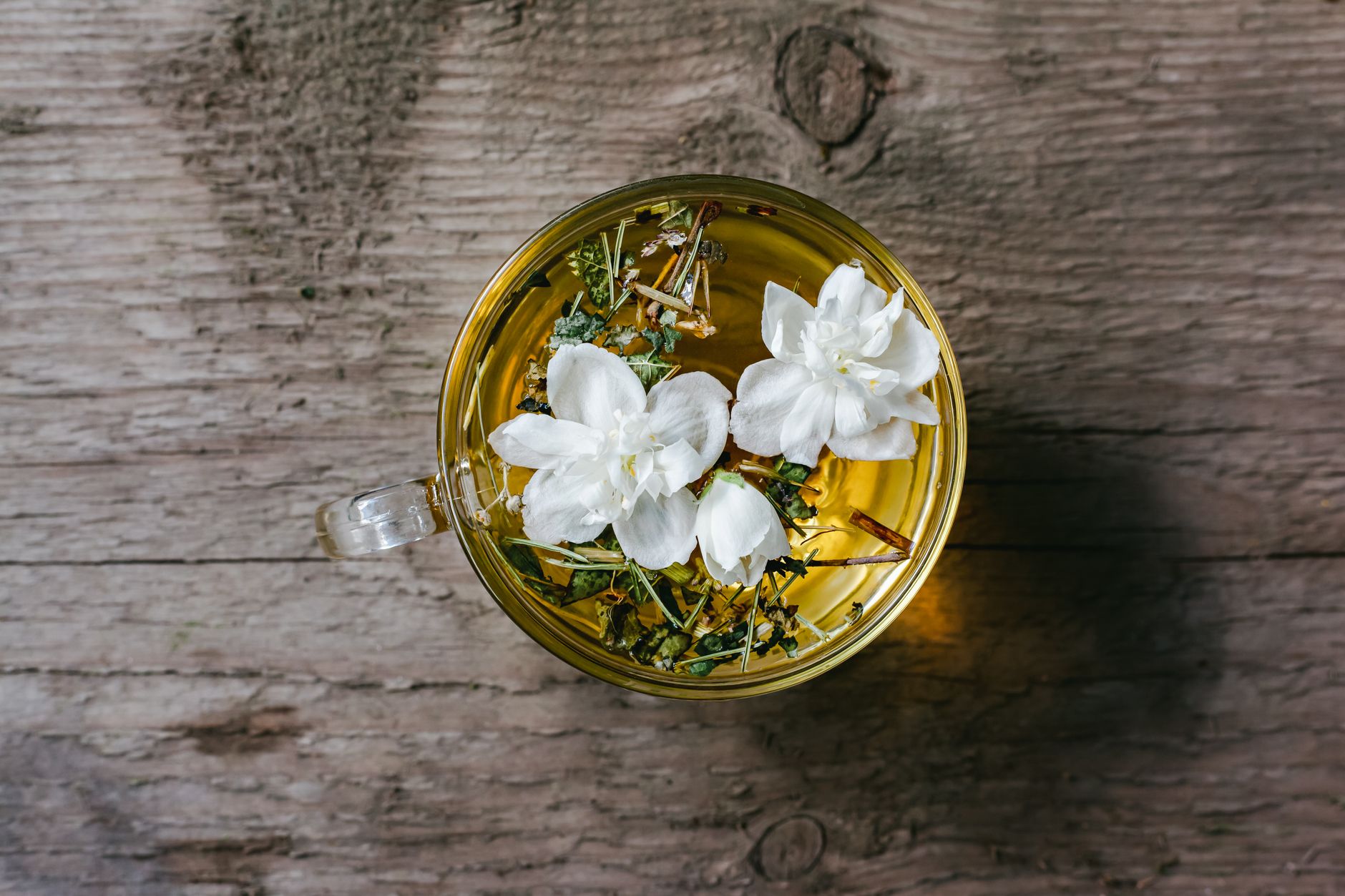
Jasmine tea is a delicate and fragrant option that has gained immense popularity worldwide. Renowned for its soothing aroma and floral notes, this tea is often enjoyed for both its flavor and potential health benefits. But if you’re curious about its caffeine content and how it compares to other teas, you’re in the right place.
This article breaks down the caffeine levels in jasmine tea, explains how it’s made, and compares it to other types of tea. Get ready to explore this beautifully fragrant beverage in detail!
How Much Caffeine Does Jasmine Tea Have?
Jasmine tea contains moderate levels of caffeine, with approximately 25 to 60 mg of caffeine per 8-ounce cup, depending on the blend used and how it is brewed. This range is primarily influenced by the base tea, typically green or black tea, infused with jasmine blossoms.
To better understand jasmine tea’s caffeine content, it’s essential to consider the factors that influence these levels, including the type of base tea used and the steeping time.
Understanding the Basics of Jasmine Tea
Jasmine tea is a scented tea, meaning that it starts with a base of high-quality tea leaves, usually green or black, and is combined with jasmine flowers to create its iconic fragrance and flavor.
The Types of Jasmine Tea
The most common types of jasmine tea include:
- Jasmine Green Tea: Typically made from green tea leaves, this type tends to have lower caffeine content, usually closer to the lower end of the range.
- Jasmine Black Tea: This version uses black tea leaves and has a higher caffeine content, generally at the upper end of the caffeine range.
- Jasmine Silver Needle: A white tea option, which offers a delicate flavor with a milder caffeine content.
Caffeine Levels in Other Common Teas
When comparing jasmine tea to other common types of tea, here’s what to expect:
- Black Tea: 40 to 70 mg per cup
- Green Tea: 20 to 45 mg per cup
- White Tea: 15 to 30 mg per cup
- Herbal Tea: Typically caffeine-free
As you can see, jasmine green tea generally has a caffeine content similar to that of regular green tea, while jasmine black tea hovers closer to standard black tea levels.
How Caffeine Influences Your Experience of Jasmine Tea
Caffeine, a natural stimulant found in tea, coffee, and various plants, can affect individuals differently. For tea drinkers, caffeine typically enhances alertness while providing a gentler boost compared to coffee.
Here are some potential effects to consider:
- Enhanced Alertness: The moderate caffeine levels in jasmine tea can help increase focus and concentration without the jitters commonly associated with higher caffeine beverages.
- Potential Relaxation: Despite its caffeine content, jasmine tea also contains L-theanine, an amino acid known for promoting relaxation and reducing stress.
- Digestion Aid: Drinking jasmine tea after meals may aid digestion, and its light caffeine content can help ward off drowsiness.
Brewing Jasmine Tea for Optimal Flavor and Caffeine Release
Knowing how to brew jasmine tea properly can influence both its flavor and caffeine extraction. Here’s a straightforward guide to brewing your perfect cup:
Essential Equipment
- Tea kettle or pot
- Teapot or infuser
- Cup or mug
- Kitchen thermometer (optional)
Ingredients
- 1 to 2 teaspoons of jasmine tea leaves (adjust based on preference)
- 1 cup of filtered water (8 ounces)
- Sweetener or milk (optional)
Brewing Steps
- Heat the filtered water until just below boiling, around 175°F to 185°F (80°C to 85°C) for green jasmine tea and 200°F (93°C) for black jasmine tea.
- Add the jasmine tea leaves to your teapot or infuser.
- Pour the hot water over the tea leaves, ensuring they are soaked evenly.
- Let the tea steep:
- Green jasmine tea: 2 to 3 minutes
- Black jasmine tea: 3 to 5 minutes
- Remove the tea leaves or infuser and pour the tea into your cup.
- Enjoy your cup of jasmine tea, plain or with optional sweeteners or milk.
Common Mistakes When Brewing Jasmine Tea
To ensure you get the most out of your jasmine tea, be mindful of these common mistakes:
- Incorrect Water Temperature: Using water that is too hot can scorch the tea leaves, resulting in a bitter taste.
- Oversteeping: Allowing the tea to steep for too long can also lead to bitterness and astringency.
- Using Low-Quality Tea: Opting for lower-quality jasmine tea can result in a less flavorful and aromatic cup.
Health Considerations and Benefits of Jasmine Tea
While individual responses to caffeine can vary, jasmine tea does offer potential benefits beyond its enticing flavor. Here are a few considerations:
Potential Benefits
- Rich in Antioxidants: Jasmine tea contains polyphenols that may help combat oxidative stress in the body.
- Heart Health: Regular consumption of tea, including jasmine, may support heart health by improving cholesterol levels.
- Weight Management: Some studies suggest that the catechins in green tea can aid in weight loss efforts.
Possible Caveats
Although jasmine tea can be beneficial, there are potential concerns regarding caffeine intake, especially for sensitive individuals:
- Overconsumption Risks: High caffeine levels can lead to insomnia, rapid heart rate, and anxiety.
- Medication Interactions: Certain medications might interact negatively with caffeine, so consult with a healthcare provider if unsure.
Flavor Pairings and Serving Suggestions
Jasmine tea has a delicate, floral flavor that can complement various foods and desserts. Here are some pairing suggestions:
Food Pairings
- Light Seafood: Pairs well with grilled fish or shrimp to enhance the meal’s freshness.
- Asian Cuisine: Complements dishes like sushi, dim sum, and stir-fried vegetables.
- Fruit Desserts: The floral notes of jasmine tea harmonize nicely with fruity desserts like sorbets, tarts, or pastries.
Serving Suggestions
Serve jasmine tea in a clear glass teacup to showcase its beautiful color. For an elegant touch, consider offering small pastries or fruit alongside your tea.
Exploring Variations of Jasmine Tea
Jasmine tea offers flexibility, enabling you to experiment with variations to suit your taste. Here are a few ideas:
Herbal-Inspired Jasmine Tea
Blend your jasmine tea with herbs like mint or lemongrass for a refreshing twist. Brew the jasmine tea as directed and infuse it with fresh herbs during the steeping process.
Chilled Jasmine Tea
For a summertime beverage, brew jasmine tea and allow it to cool. Serve over ice with a slice of lemon for a refreshing iced drink.
Where to Buy Jasmine Tea
When looking to purchase jasmine tea, consider these options:
- Local Grocery Stores: Check the tea aisle for various brands of jasmine tea.
- Specialty Tea Shops: Many offer higher-quality options that can provide a more authentic experience.
- Online Retailers: Websites like Amazon and specialty tea brands often have a wide selection to choose from.
Storing Jasmine Tea
To maintain the flavor and aroma of jasmine tea, proper storage is essential:
- Airtight Container: Store tea in an airtight container away from light, moisture, and heat.
- Cool, Dry Place: Keep the container in a pantry or cupboard that maintains a stable temperature.
- Use Within a Year: For the best flavor, consume your jasmine tea within a year of purchase.
Conclusion
Jasmine tea, with its delightful floral aroma and soothing caffeine content, offers a lovely balance for tea drinkers. With approximately 25 to 60 mg of caffeine per cup, it provides a gentle energy boost while promoting relaxation. Whether you enjoy it hot, iced, or blended with herbs, jasmine tea remains an exquisite choice for any occasion.
Next time you’re in the mood for a fragrant cup of tea, remember the nuances of jasmine tea’s caffeine and flavor. For additional ideas, check out our delicious cardamom tea recipe or explore the unique flavors of Ethiopian tea.