
Understanding the standard measurements for liquids, especially for something as essential as water, is crucial in cooking, baking, and nutrition. Many recipes or dietary plans will reference a “glass of water,” but what does that really mean in terms of ounces?
This article explores how many ounces are typically in a glass of water, why this measurement matters, and how to ensure you’re meeting your hydration needs while cooking and consuming meals.
How Many Oz Is A Glass Of Water?
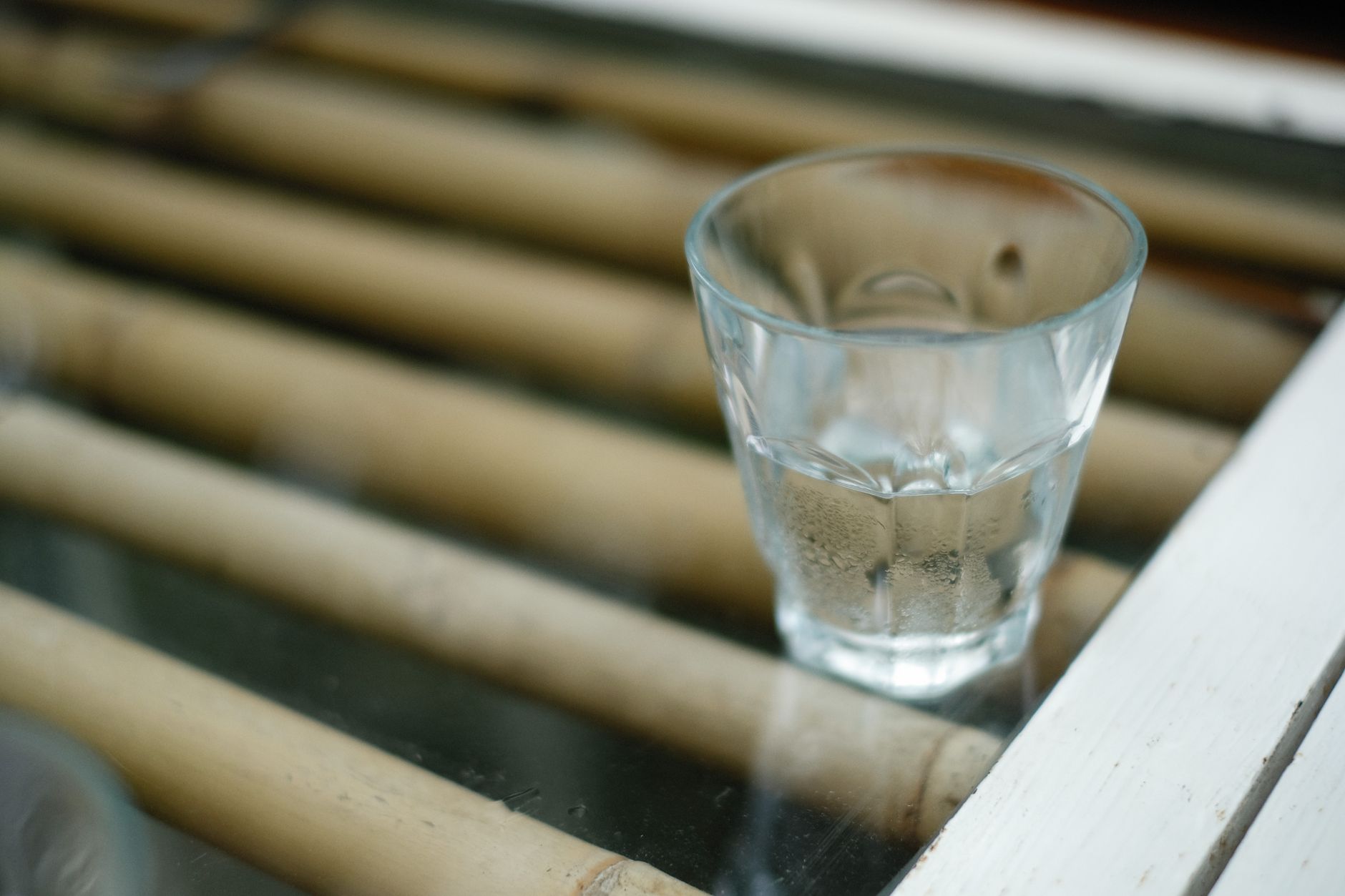
A standard glass of water is generally considered to hold 8 fluid ounces (fl oz) in the United States. However, glass sizes can vary, so it’s important to acknowledge that some may contain more or less water.
The Importance of Understanding Measurements
Accurate measurements are essential in cooking and baking. Water plays a pivotal role in numerous recipes, from hydration to ingredient interactions.
Understanding how many ounces are in a glass of water can help you remain consistent, especially when recipes require precise amounts for optimal results. Additionally, good hydration is vital for health and wellness, further underlining the importance of this measurement.
Variations in Glass Sizes
While a standard glass is often equated to 8 ounces, real life tends to be a bit more complex. Here’s a look at some common glass sizes:
- Standard glass: 8 ounces
- Tumblers: Sizes can range from 8 to 14 ounces
- Wine glasses: Usually hold 5 to 6 ounces for more official servings
- Large coffee mugs: Can hold anywhere from 10 to 16 ounces
For cooking or when following a recipe, it is essential to know the specific size of the glass you plan to use to ensure the proper amount of water is added.
Hydration Guidelines and Recommendations
In addition to measuring water for recipes, understanding daily hydration needs is crucial. Various factors affect how much water an individual should consume, including age, sex, activity level, and climate.
As a general guideline, the U.S. National Academies recommends about:
- Men: About 3.7 liters (or about 125 ounces) per day
- Women: About 2.7 liters (or about 91 ounces) per day
This includes all beverages and food sources of water, so don’t worry if you’re not drinking entirely plain water!
How to Measure Water Accurately
When a recipe calls for a glass of water, you’ll often want to ensure you are not only using the right size glass but also measuring accurately. Here are some tips:
- Use measuring cups: If precision is required, use a liquid measuring cup for accurate measurements.
- Check your glass size: If using a standard glass, confirm it holds 8 ounces. If not, adjust your measurements accordingly.
- Consider the recipe: If a recipe requires water for cooking (such as boiling pasta), you may be able to eyeball it, but precision is essential for baking.
Recipe Examples Utilizing Water
Water is a vital ingredient in countless recipes, contributing to flavor balance, texture, and even temperature control. Below are a few examples that highlight the significance of accurate water measurement:
Simple Broth Recipe
This light, soothing broth serves as the base for many soups or can be enjoyed on its own. The clarity and flavor largely derive from the amount of water used, emphasizing the importance of accurate measurement.
Yield: 4 cups broth
Preparation Time: 10 minutes
Cooking Time: 30 minutes
Total Time: 40 minutes
Ingredients:
- 8 cups water (64 ounces)
- 1 medium onion, quartered
- 2 carrots, cut into chunks
- 2 celery stalks, cut into chunks
- 2 garlic cloves, smashed
- Salt to taste
- Optional herbs (parsley, thyme, bay leaf)
Equipment:
- Large pot
- Measuring cups
- Strainer or cheesecloth
Method:
- In a large pot, combine all ingredients.
- Add 8 cups of water to the pot, ensuring there are no air pockets.
- Bring the mixture to a boil, then reduce to a simmer.
- Allow to simmer for about 30 minutes.
- Strain the liquid into a separate bowl or pot, discarding the solids. Season with salt.
Cooking Rice
A perfect rice recipe relies heavily on the right water to rice ratio. Water hydrates the rice grains, allowing them to cook properly and achieve the desired texture. Here’s a simple recipe:
Yield: 4 servings
Preparation Time: 5 minutes
Cooking Time: 20 minutes
Total Time: 25 minutes
Ingredients:
- 1 cup rice (white or brown)
- 2 cups water (16 ounces)
- Salt to taste
- Butter or oil (optional)
Equipment:
- Medium saucepan
- Measuring cups
Method:
- Rinse the rice under cold water until the water runs clear.
- In a medium saucepan, combine the rinsed rice and 2 cups of water.
- Add salt and butter or oil, if using.
- Bring water to a boil, then reduce to low heat and cover the pot.
- Simmer for about 18-20 minutes or until the water is absorbed and rice is tender.
Common Mistakes in Water Measurement
Accurate measurements can sometimes be tricky. Here are a few common mistakes to avoid:
- Using non-standard glasses: Make sure you’re aware of the size of the glass you are using.
- Not leveling liquids: When using a measuring cup, ensure the liquid’s surface is level with the measuring line.
- Ignoring recipe context: Remember that some recipes may require variable amounts of water.
Making Adjustments
Sometimes, you may need to adjust how much water you are using based on conditions such as humidity or type of food being prepared. For example, you may require more water when cooking rice using a method that doesn’t involve rinsing first.
How to Stay Hydrated
Incorporating hydration into your daily routine is as important as knowing how many ounces are in a glass of water. Here are some practical tips:
- Carry a reusable water bottle: Keeping track of your water intake is easier when you have a dedicated bottle.
- Infuse your water: Add fruits, herbs, or cucumber to your water for a refreshing twist.
- Set reminders: Use your phone or an app to remind you to drink water throughout the day.
Practical Applications in Cooking
Ultimately, knowing how many ounces are in a glass of water ranges from simply ensuring appropriate hydration to being a critical component in cooking methods. Miscalculating water can lead to dreadful results, from over-salted meals to soggy baked goods.
Applying your knowledge in choosing the right amount of water will elevate your culinary skills and contribute to a healthier lifestyle. Whether it’s making sure your meals are properly hydrated or simply satisfying thirst, acknowledging the importance of water is fundamental.
As you explore more recipes, remember that water serves as a foundational ingredient, shaping flavor, texture, and overall satisfaction.
Explore more ways to enhance your culinary experience with our lemonade syrup recipe or try making our lemon drop batch recipe for a delightful refreshing drink. Enjoy your cooking and stay hydrated!