
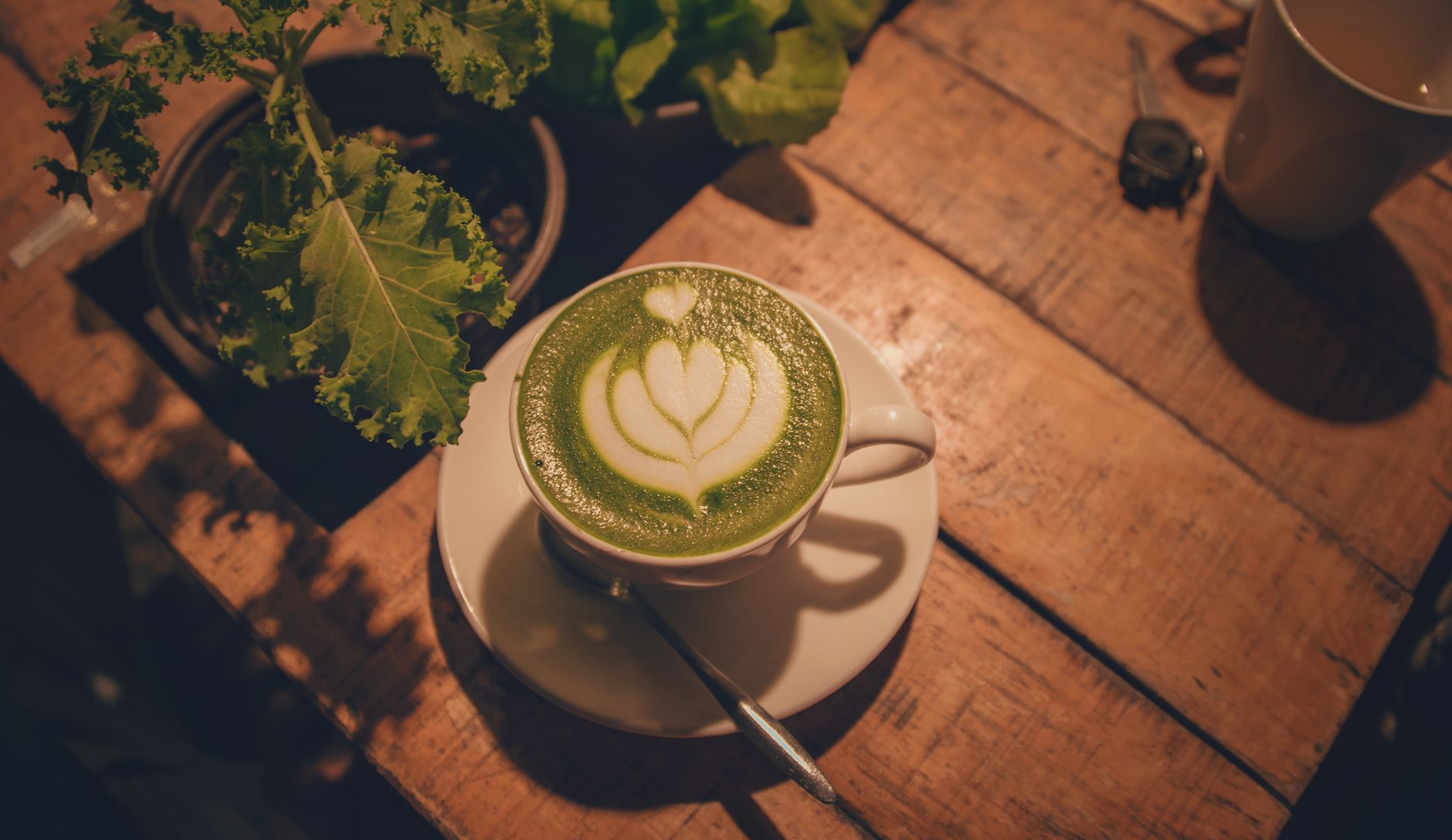
When experiencing diarrhea, finding soothing and effective remedies is essential. One question that often arises is whether green tea can help manage diarrhea symptoms. This article will explore the potential benefits of green tea, safety considerations, and practical tips for incorporating it into your diet during such times.
Green tea is known for its numerous health benefits, including antioxidants, anti-inflammatory properties, and a gentle caffeine boost. However, its role in alleviating diarrhea symptoms requires careful exploration of both the scientific and anecdotal evidence. Let’s delve into the details.
Is Green Tea Good For Diarrhea?
Green tea can be beneficial for diarrhea mainly due to its anti-inflammatory properties and ability to promote hydration. The tannins in green tea may help firm stools and slow down bowel movements. However, it is important to consider individual tolerance and consult a healthcare provider if symptoms persist.
Benefits of Green Tea for Diarrhea
Several factors contribute to the potential benefits of green tea when dealing with diarrhea:
- Hydration: Staying hydrated is crucial when experiencing diarrhea. Green tea, when consumed in moderation, can contribute to your fluid intake.
- Tannins: Green tea contains tannins, which may help reduce intestinal inflammation and slow bowel movements, potentially lessening the frequency of diarrhea.
- Antioxidants: The antioxidants found in green tea can support the immune system, assisting the body in fighting off infections that might cause diarrhea.
- Gut health: Some studies suggest that green tea may foster a healthy gut microbiome, which is important in managing digestive health.
How to Brew Green Tea for Diarrhea Relief
Brewing green tea properly can enhance its beneficial effects. Here’s a simple method to prepare it:
Ingredients
- 1 teaspoon of loose green tea leaves or 1 green tea bag
- 1 cup of hot water (not boiling, about 175°F or 80°C)
Essential Equipment
- Tea kettle or pot
- Teapot or cup for steeping
- Strainer (if using loose leaves)
Method
- Heat water to approximately 175°F (80°C).
- Place the green tea leaves or bag in your teapot or cup.
- Pour hot water over the tea.
- Steep for about 2 to 3 minutes.
- If using loose leaves, strain the tea into your cup.
- Allow the tea to cool slightly before drinking.
Precautions and Safety Considerations
While green tea can be beneficial, there are important safety considerations to keep in mind:
- Caffeine Content: Green tea does have caffeine, which can sometimes exacerbate diarrhea in sensitive individuals. If you’re affected by caffeine, you may want to limit your intake or choose decaffeinated options.
- Stomach Sensitivity: Some people find that certain compounds in tea can irritate their stomachs. If you notice a worsening of symptoms after consuming green tea, it might be best to avoid it.
- Herbal Interactions: If you are taking medications or supplements, consult with a healthcare provider to discuss any potential interactions.
Other Herbal Teas and Remedies for Diarrhea
In addition to green tea, there are several other herbal teas that may help alleviate diarrhea symptoms:
- Chamomile Tea: Known for its anti-inflammatory and calming effects, chamomile may soothe the stomach.
- Peppermint Tea: This tea can help relieve digestive discomfort and cramping associated with diarrhea.
- Ginger Tea: Ginger is well-regarded for its anti-nausea properties and can also aid in digestion.
Dietary Tips When Experiencing Diarrhea
Incorporating certain dietary practices can enhance recovery during a bout of diarrhea. Consider the following tips:
- BRAT Diet: The BRAT diet (bananas, rice, applesauce, toast) is gentle on the stomach and can help firm stools.
- Avoid High-Fiber Foods: During diarrhea, high-fiber foods can exacerbate the condition; choose easily digestible options instead.
- Limit Dairy Products: Some individuals may find that dairy exacerbates diarrhea; consider avoiding it temporarily.
Common Mistakes When Using Green Tea for Diarrhea
When using green tea as a remedy, avoid these common mistakes:
- Overconsumption: Drinking too much green tea can lead to increased caffeine intake, potentially worsening diarrhea.
- Using Boiling Water: Brewing green tea with boiling water can lead to bitterness and may reduce its beneficial qualities.
- Ignoring Symptoms: If diarrhea persists or is accompanied by severe symptoms (like dehydration or fever), seek medical attention.
Make-Ahead Tips for Green Tea
For those who want to ensure easy access to soothing green tea, consider these make-ahead tips:
- Batch Brewing: Brew a larger quantity of green tea and store it in the refrigerator for cold tea options.
- Iced Green Tea: Brew green tea and chill it for a refreshing iced beverage that is still soft on the stomach.
Storage and Reheating Suggestions
If you brew more green tea than you consume, proper storage is vital:
- Refrigeration: Store brewed green tea in a sealed container in the refrigerator for up to 3 days.
- Avoid Reheating: It’s best to consume tea fresh, but if reheating, do so gently to avoid bitterness.
Conclusion
Green tea can be a helpful addition to your diet when managing diarrhea due to its hydrating properties and beneficial compounds. However, it is important to listen to your body and consider individual reactions. If diarrhea persists, it is advisable to seek medical attention.
For more ideas on soothing teas and hydration solutions, check out our guides on lymphatic drainage tea and a refreshing green tea cocktail recipe.