
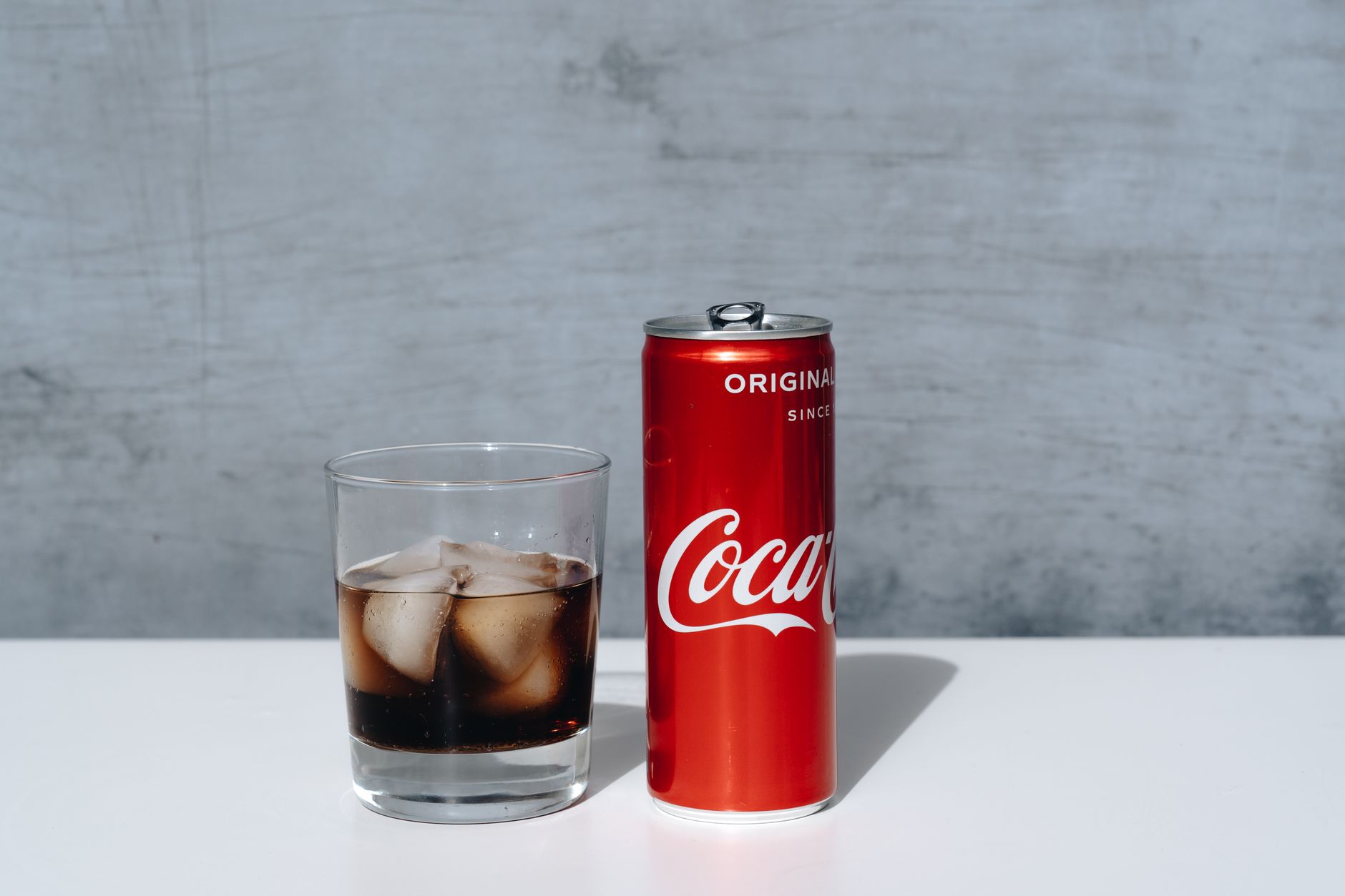
Coca-Cola is a popular soft drink known for its refreshing taste and unique flavor profile. However, one of the most frequently asked questions about this iconic beverage is related to its sugar content. In this guide, we will explore how many grams of sugar are in Coca-Cola, its implications for health and nutrition, and some alternative options for those who are mindful of their sugar intake.
Understanding the sugar content in Coca-Cola is essential for making informed choices about the beverages we consume. This article will break down the specifics of the sugar content, compare it with other drinks, and provide insights on how sugar impacts health.
How Many Grams Of Sugar Are In Coca-Cola?
A standard 12-ounce (355 mL) can of Coca-Cola contains approximately 39 grams of sugar. This amount accounts for the drink’s sweetness, derived primarily from high fructose corn syrup or sucrose, depending on the region.
Understanding Sugar Content
To put that into perspective, the 39 grams of sugar in a can of Coca-Cola is the equivalent of about 10 teaspoons of sugar. The American Heart Association recommends a daily sugar intake limit of about 25 grams for women and 36 grams for men. This means that a single can of Coca-Cola can nearly reach or exceed the daily recommended limit of added sugars.
The Types of Sugar in Coca-Cola
The sugar found in Coca-Cola can come from various sources, primarily:
- Sucrose: Also known as table sugar, it is derived from sugar cane or sugar beets. It is a disaccharide made up of glucose and fructose.
- High Fructose Corn Syrup (HFCS): This sweetener, commonly used in many soft drinks, is made from corn starch and contains varying amounts of fructose and glucose. Coca-Cola in the United States often uses HFCS.
Both of these sugars have similar metabolic effects in the body, leading to increased calorie intake if consumed in excess.
The Impact of Sugar on Health
Sugar, especially in high amounts, can have various negative implications on health. Some of the potential effects include:
- Weight Gain: High sugar intake is linked to an increase in body weight due to the extra calories consumed and its influence on metabolic processes.
- Increased Risk of Chronic Diseases: Diets high in sugar have been associated with increased risk of heart disease, type 2 diabetes, and certain types of cancer.
- Dental Health Issues: Sugary drinks can lead to tooth decay and cavities as sugar feeds harmful bacteria in the mouth.
- Increased Blood Sugar Levels: Consuming sugary drinks like Coca-Cola can spike blood sugar, which is particularly concerning for individuals with insulin resistance.
Coca-Cola Variants and Their Sugar Content
Coca-Cola offers several different variants, each with varying sugar content. Here’s a look at the sugar content of some popular options:
| Product | Serving Size | Grams of Sugar |
|---|---|---|
| Coca-Cola Classic | 12 oz (355 mL) | 39 grams |
| Coca-Cola Diet | 12 oz (355 mL) | 0 grams |
| Coca-Cola Zero Sugar | 12 oz (355 mL) | 0 grams |
| Coca-Cola Life | 12 oz (355 mL) | 24 grams |
| Coca-Cola Cherry | 12 oz (355 mL) | 42 grams |
Comparing Coca-Cola to Other Beverages
It’s essential to compare the sugar content in Coca-Cola with other common beverages to understand its contribution to daily sugar intake. Here are some examples:
| Beverage | Serving Size | Grams of Sugar |
|---|---|---|
| Pepsi | 12 oz (355 mL) | 41 grams |
| Sprite | 12 oz (355 mL) | 38 grams |
| Mountain Dew | 12 oz (355 mL) | 46 grams |
| Orange Juice | 12 oz (355 mL) | 24 grams |
| Iced Tea (sweetened) | 12 oz (355 mL) | 39 grams |
As seen from the comparisons, Coca-Cola contains a significant amount of sugar, comparable to or slightly less than other soft drinks but more than healthier options like unsweetened teas.
Making Informed Choices
When it comes to sugar intake from beverages, making informed choices is crucial. Consider the following points:
- Read Labels: Always check the nutrition label for sugar content. This practice will help you make better choices regarding what you drink.
- Consider Serving Size: Understand that many drinks come in larger sizes. A 20 oz bottle of Coca-Cola, for instance, contains significantly more sugar—about 65 grams.
- Mind Your Daily Intake: Be mindful of the cumulative sugar intake from all sources throughout the day, including food and other beverages.
- Select Alternatives: Consider lower-sugar or sugar-free alternatives if you’re trying to reduce sugar consumption.
Healthier Alternatives to Coca-Cola
If you’re looking to enjoy a flavorful refreshment without the high sugar content, several alternatives exist:
- Sparkling Water: It offers the fizz without sugar. You can add a splash of citrus for flavor.
- Iced Herbal Tea: Naturally caffeine-free and can be flavored with fresh fruits.
- Kombucha: A fermented tea drink that offers a tangy flavor and the benefits of probiotics.
- Homemade Lemonade: Use fresh lemons, water, and a small amount of sweetener for a refreshing drink.
Common Questions About Sugary Drinks
Here are some common questions regarding sugary beverages like Coca-Cola:
Is it okay to drink Coca-Cola in moderation?
Consuming Coca-Cola in moderation can be acceptable for most people. However, it’s important to balance it with a healthy diet and be mindful of other sources of added sugars during the day.
What are the effects of consuming too much sugar?
Excessive sugar intake can lead to weight gain, increased risk of chronic diseases, fatigue, and dental problems. Moderation is key to maintaining a healthy lifestyle.
Can I drink Coca-Cola if I have diabetes?
Individuals with diabetes should consult their healthcare provider regarding sugary drinks. Many might opt for sugar-free versions, but it’s essential to monitor blood sugar levels closely.
What is the recommended sugar intake for children?
For children, the American Heart Association recommends no more than 25 grams of added sugar per day. Parents should be mindful of their children’s beverage choices, including soda.
Tips for Reducing Sugar Intake
If you’re looking to reduce your sugar intake from beverages, consider these practical tips:
- Gradually Reduce Consumption: If you drink Coca-Cola regularly, start by gradually reducing the amount you consume each week.
- Stay Hydrated with Water: Make water your primary beverage choice and keep it accessible to minimize cravings for sugary drinks.
- Flavor Water Naturally: Use herbs, fruits, or cucumbers to infuse water with flavor without added sugars.
- Choose Smaller Sizes: If you decide to indulge in sugary drinks, choose smaller sizes or share with others to limit consumption.
The Cultural Impact of Coca-Cola
Coca-Cola is more than just a beverage; it has become a cultural icon worldwide. Its marketing campaigns and unique branding have made it a staple in various social settings, such as parties, celebrations, and casual gatherings.
However, this cultural ubiquity has sparked discussions around health, sustainability, and consumer choices. As awareness about sugar consumption increases, many consumers are reevaluating their beverage choices, influencing how companies adapt their products.
Conclusion
Coca-Cola contains a significant amount of sugar, with approximately 39 grams in a standard 12-ounce can. Being aware of this sugar content is essential for managing overall dietary intake, particularly for those tracking their sugar consumption for health reasons. By making informed choices, seeking alternatives, and practicing moderation, consumers can enjoy a refreshing drink while maintaining a balanced diet.
For more on healthy beverage choices or tips for reducing sugar, feel free to explore more resources available on our blog.