
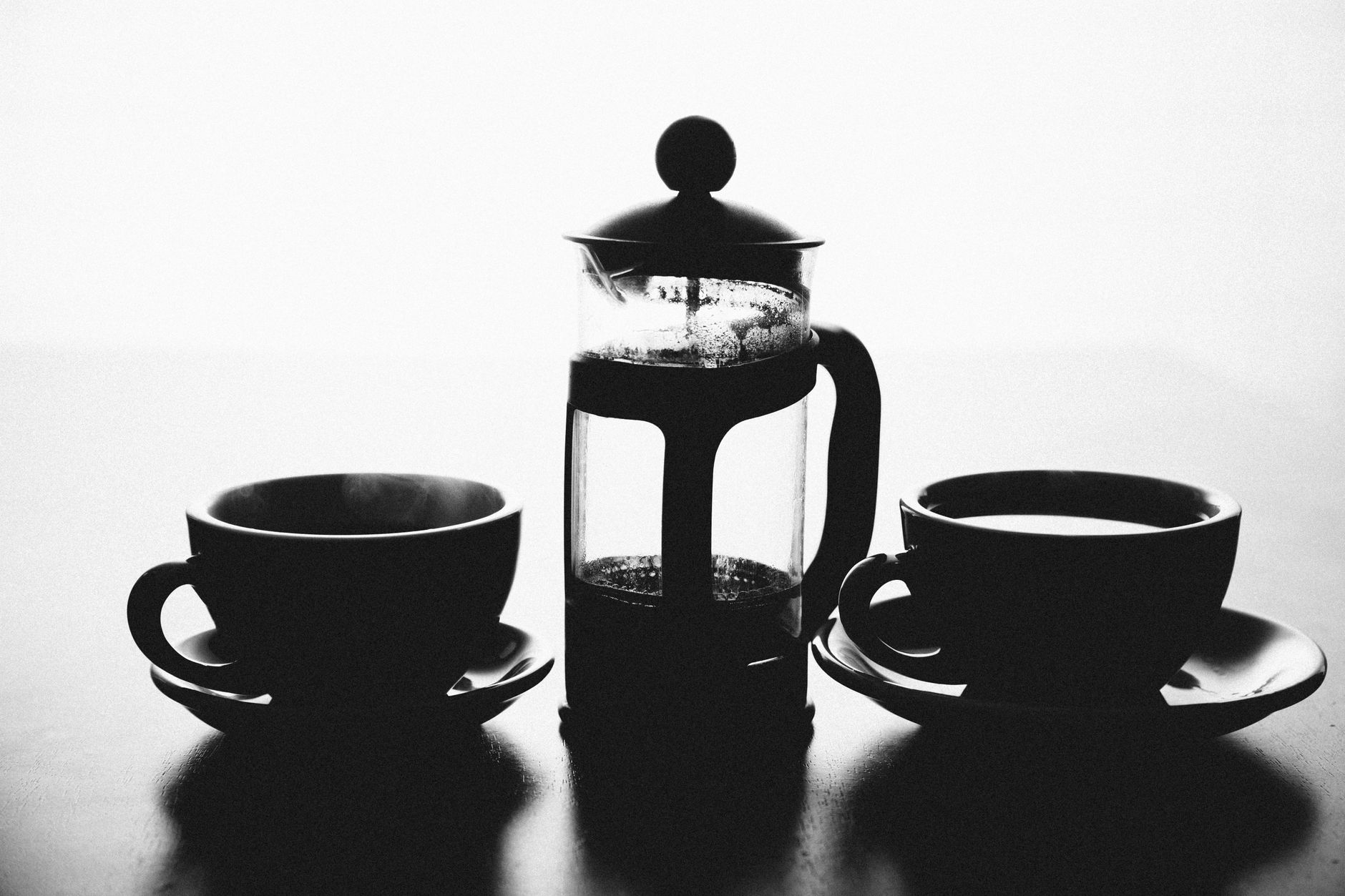
Brewing the perfect cup of French press coffee requires precision, patience, and an understanding of timing. Many coffee enthusiasts cherish the French press for its ability to extract rich flavors and create a full-bodied brew. However, mastering the brewing duration is essential for achieving that ideal balance between strength and flavor.
This guide explores how long to brew French press coffee, the effects of varying brew times, and tips for optimizing your brewing process. Whether you’re a novice or a seasoned coffee drinker, knowing the right timing will enhance your coffee experience.
How Long To Brew French Press Coffee?
To brew French press coffee, the recommended steeping time is typically between 4 to 5 minutes. This duration allows for optimal extraction of flavors, resulting in a rich and aromatic cup. Lowering the time can yield a milder brew, while extending it beyond five minutes might lead to over-extraction, causing bitterness.
Understanding the French Press Brewing Process
The French press, or press pot, is a simple manual coffee brewing device that involves steeping coffee grounds in hot water and then pressing down a metal or plastic plunger to separate the grounds from the liquid coffee. This method allows oils and fine particles to remain in the coffee, contributing to its distinctive flavor and aroma.
Key Components of French Press Coffee
To brew French press coffee effectively, it’s important to understand the components of the process:
- Coffee Grounds: Coarse grounds are ideal for French press as they minimize sediment and enhance flavor extraction.
- Water Temperature: The optimal water temperature for brewing French press coffee is around 195°F to 205°F (90°C to 96°C). This is slightly below boiling point, ensuring that the coffee does not burn.
- Brewing Time: This is the most critical factor; a steep of 4 to 5 minutes is ideal, but adjustments can be made based on your taste preference.
Factors Affecting Brewing Time
Several factors can influence the brewing time of French press coffee, which may affect the final flavor:
- Coffee Grind Size: Coarse grinds are preferred; finer grinds lead to more extraction and can create a bitter taste.
- Coffee-to-Water Ratio: A standard ratio is 1:15 (1 part coffee to 15 parts water). Altering this can impact the strength and flavor.
- Altitude and Climate: Brewing at high altitudes may require slight adjustments in temperature and time due to lower boiling points.
- Personal Preference: Your taste preferences will dictate the ideal brew time to achieve the flavor profile you enjoy.
Experimenting with Brew Time
To find your perfect brewing time, consider experimenting. Here’s how you can approach it:
- Start with the recommended brewing time of 4 minutes.
- Taste the coffee and note its strength and flavor.
- If it’s too mild, increase the steeping time by 30 seconds and taste again.
- Continue adjusting until you find your optimal balance between strength and bitterness.
Step-by-Step Guide to Brewing French Press Coffee
Below is a comprehensive step-by-step guide to making French press coffee:
Ingredients
- Coarse coffee grounds: 1 ounce (28 grams) or about ¼ cup
- Hot water: 15 ounces (450 milliliters), heated to between 195°F to 205°F
Essential Equipment
- French press
- Measuring scale or coffee scoop
- Kettle or water heater
- Stirring spoon (non-metal preferred)
Method
- Start by boiling water in a kettle or using a water heater. Allow it to cool for about 30 seconds after boiling to reach the ideal temperature.
- Measure out 1 ounce of coarse coffee grounds and place them into the French press.
- Add 15 ounces of hot water over the coffee grounds. Ensure all grounds are saturated by gently pouring in a circular motion.
- Use a spoon to stir the mixture gently; this helps to release more flavors.
- Place the lid on the French press but do not press down the plunger yet. Let the coffee steep for 4 minutes.
- After 4 minutes, press the plunger down slowly and evenly to separate the grounds from the liquid.
- Pour your freshly brewed coffee into a cup and enjoy. Avoid letting the coffee sit in the French press, as this can lead to over-extraction.
Common Mistakes When Brewing French Press Coffee
Many coffee lovers encounter challenges when brewing French press coffee. Here are some of the most common mistakes and how to avoid them:
1. Using the Wrong Grind Size
Using fine coffee grounds can lead to a bitter cup of coffee. Always opt for a coarse grind for the best results. If you find sediment in your cup, consider adjusting the grind size to be more coarse.
2. Incorrect Water Temperature
Brewing with water that’s too hot can scorch the coffee, while too cool water may not extract enough flavor. Always aim for water between 195°F to 205°F and use a thermometer for precision if necessary.
3. Not Timing the Brew
Failing to time your brewing process can result in a cup that is either weak or overly bitter. Utilize a timer to remain consistent and discover your perfect brew time.
4. Skipping the Stir
Not stirring the grounds immediately after adding water can result in uneven extraction. Stir gently to ensure all grounds are fully immersed in water.
5. Leaving Coffee in the French Press
Letting brewed coffee sit in the French press will lead to bitterness due to prolonged contact with the grounds. Pour any leftover coffee into a thermal carafe for later enjoyment.
Tips for Optimizing French Press Coffee
To elevate your French press coffee experience, consider the following tips:
1. Experiment with Coffee Beans
Different coffee beans offer various flavor profiles. Experiment with light, medium, and dark roasts to discover your personal favorite.
2. Consider Adding Flavorings
For a unique twist, try adding spices such as cinnamon or cardamom to the coffee grounds before brewing. Flavorings can create interesting dimensions in your coffee.
3. Utilize a Digital Scale
For the most accurate measurements, consider using a digital scale to measure your coffee and water. Consistency in your ratios leads to better predictability in your brewing results.
4. Maintain Your Equipment
Regularly clean your French press to avoid lingering coffee oils that can affect flavor over time. A simple rinse after each use and occasional deep cleaning will keep your equipment in good shape.
Making Cold Brew in a French Press
In addition to hot French press coffee, the device can also be used to create cold brew coffee. Cold brewing generally takes longer than hot brewing, so patience is essential.
Cold Brew Method
- Combine coarse coffee grounds and cold water at a ratio of about 1:4.
- Allow the mixture to steep in the refrigerator for 12 to 24 hours, depending on your desired strength.
- After steeping, press the plunger down and pour off the brewed coffee.
- This cold brew concentrate can be enjoyed over ice, diluted with water or milk, and flavored as preferred.
Variations of French Press Coffee
French press coffee lends itself well to various brewing techniques and styles. Explore these variations to add excitement to your coffee routine:
1. French Press with Milk or Cream
Add steamed milk or whipped cream for a richer coffee experience. This method transforms your coffee into a luxurious morning beverage.
2. Flavored French Press Coffee
Incorporate flavored syrups or extracts such as vanilla or hazelnut post-brewing to personalize your cup. Simply stir to combine and adjust sweetness to taste.
3. French Press Espresso
While not a traditional espresso, you can use a finer grind with reduced water to create a stronger concentrated version of French press coffee, reminiscent of espresso.
4. Iced French Press Coffee
After brewing, let your coffee cool, and then pour it over ice. This makes for a refreshing iced coffee without dilution from melting ice if prepared properly. Try using coffee ice cubes to maintain strength.
Conclusion
Brewing French press coffee is an art that hinges significantly on timing, coffee quality, and technique. While the general guideline of 4 to 5 minutes is a great starting point, don’t hesitate to adjust according to your taste preferences. Experimenting with grind sizes, ratios, and flavors can lead to a truly personalized coffee experience.
Now that you’re equipped with the knowledge of brewing French press coffee, why not explore related drinks? Check out our recipe for French Press Cold Brew or try a unique twist with a Coffee Negroni cocktail.