
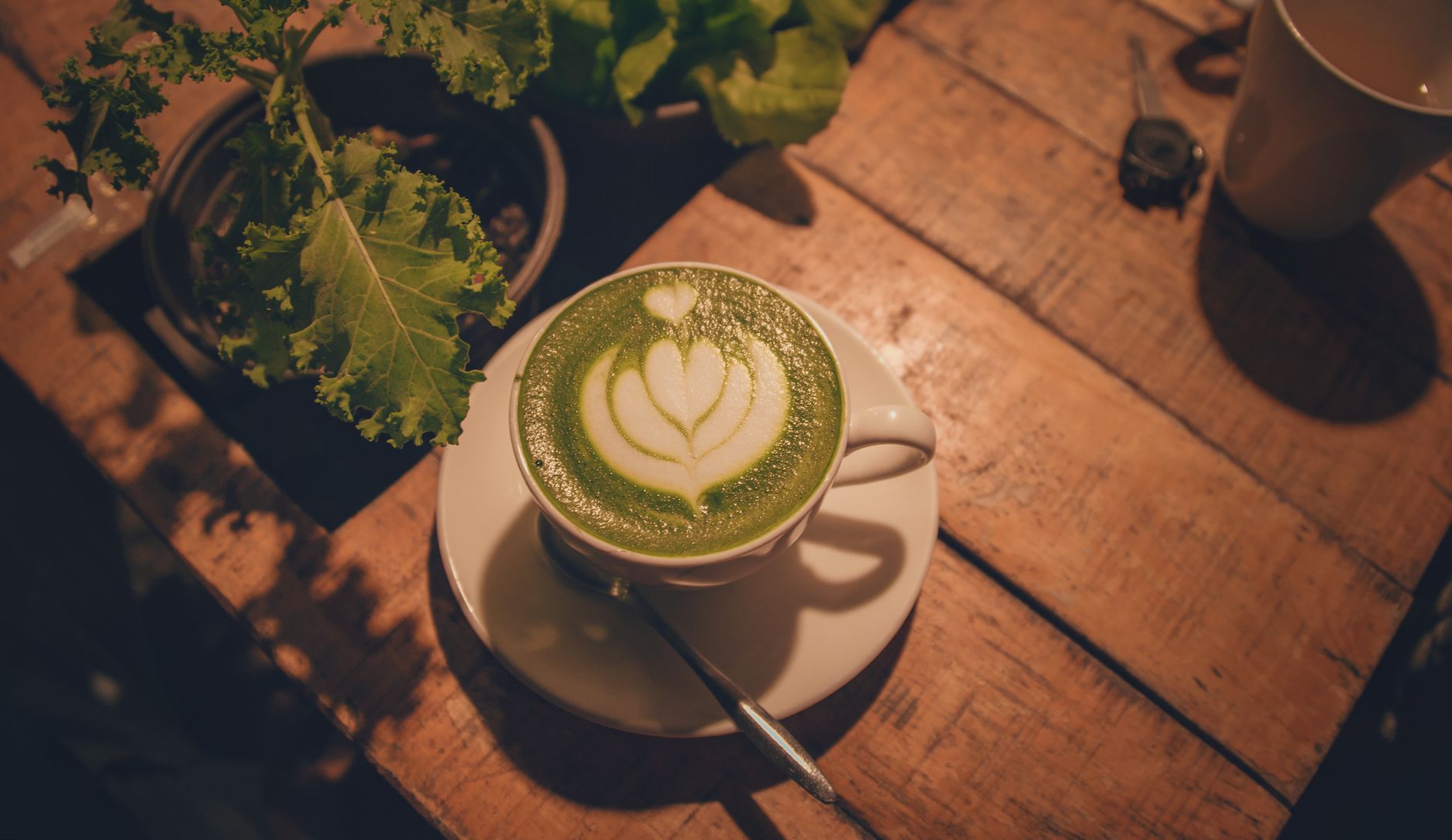
A matcha latte is a vibrant green drink made from finely ground matcha green tea layered with steamed milk. Known for its unique flavor and numerous health benefits, it combines the creamy texture of a latte with the distinct taste of matcha, an ingredient celebrated for its antioxidant properties.
Understanding the calorie content and nutritional value of a matcha latte is essential for those interested in maintaining a balanced diet. This article will delve into the calories found in a matcha latte, explore its nutritional benefits, and guide you on how to customize your drink.
How Many Calories Are In A Matcha Latte?
The calorie content of a matcha latte varies based on its preparation, the type of milk used, and any additional sweeteners. On average, a standard matcha latte made with whole milk contains about 300 calories. When made with almond, oat, or skim milk, the calorie count can drop to around 200 calories.
To break it down further, let’s look at a typical 16-ounce matcha latte:
- Matcha powder (1 tsp): 3 calories
- Whole milk (8 oz): 150 calories
- Sweetener (1 tbsp honey): 64 calories
Altogether, this gives you about 217 calories. Using alternative milk or sweetener types can further influence the totals.
Nutritional Breakdown of a Matcha Latte
A matcha latte is more than just its calorie content. It provides various nutrients that can benefit your overall health. Here is a typical nutritional breakdown of an average matcha latte (with whole milk and no added sweeteners):
- Protein: 8 grams
- Carbohydrates: 20 grams
- Fat: 7 grams
- Fiber: 0 grams
- Vitamins: Primarily vitamins A, D, E, and K from whole milk
Switching to skim milk or alternative plant-based milks can alter these macronutrient values significantly, so consider the type of milk you use for your matcha latte.
Variations in Caloric Content
The ingredients you choose for your matcha latte can lead to significant differences in calorie counts. Here are some common variations:
Milk Options
- Whole Milk: Approximately 150 calories per cup.
- Skim Milk: About 90 calories per cup.
- Almond Milk: Roughly 30-60 calories per cup, depending on whether it’s sweetened.
- Oat Milk: Approximately 120 calories per cup.
- Coconut Milk: About 45 calories for light versions and 550 for full fat.
Sweeteners
- Honey: 64 calories per tablespoon.
- Granulated Sugar: Approximately 48 calories per tablespoon.
- Agave Syrup: About 60 calories per tablespoon.
- Stevia: Calorie-free, as it is much sweeter than regular sugar.
- Sugar Alternatives: Generally low or zero-calorie options, such as erythritol or monk fruit.
Flavor Additions
Other ingredients can also enhance a matcha latte but may increase calorie content:
- Vanilla Extract: About 12 calories per teaspoon.
- Chocolate Sauce: Can add 50-100 calories depending on the serving size.
- Whipped Cream: Approximately 50 calories per tablespoon.
How to Make a Basic Matcha Latte
Creating your matcha latte at home is simple. Below is a step-by-step guide to the basic preparation of a matcha latte:
Ingredients
- 1 teaspoon matcha powder
- 8 ounces milk of choice
- 1-2 teaspoons sweetener (optional)
- Hot water (about 2 ounces)
Essential Equipment
- Small bowl
- Whisk or milk frother
- Measuring spoon
- Milk steamer (optional)
Method
- In a small bowl, combine the matcha powder with hot water. Whisk until smooth and frothy.
- In a separate container, heat your chosen milk (do not boil).
- Once heated, froth the milk to create a creamy texture.
- Pour the frothed milk over the whisked matcha.
- Add sweetener if desired, and stir gently to combine.
- Garnish with matcha powder or whipped cream, if preferred.
Common Mistakes When Making a Matcha Latte
Even with simple ingredients, mistakes can happen. Avoid these common pitfalls:
- Using hot water: Matcha might clump if you use boiling water. Aim for water just below boiling.
- Being heavy-handed with sweeteners: Matcha has a natural sweetness that can be overwhelmed by too much sugar.
- Not whisking enough: Inadequate whisking can lead to clumps in your drink.
- Inconsistent milk texture: If the milk isn’t heated or frothed properly, your latte will lack creaminess.
Health Benefits of Matcha
Besides its appealing taste, matcha offers numerous health benefits, largely due to its rich nutritional profile:
- Rich in Antioxidants: High in catechins, particularly EGCG, which has been associated with various health benefits.
- Increases Metabolism: May help with fat burning and weight management.
- Calm Energy: Provides a sense of alertness without the jitters often linked to coffee.
- Supports Mental Clarity: The L-theanine in matcha promotes relaxation and focus.
Customizing Your Matcha Latte
Customization is key to making a matcha latte your own. Try these ideas to mix up your drink:
- Add spices: Incorporate cinnamon or nutmeg for a warm flavor profile.
- Experiment with milks: Consider trying different plant-based milks like cashew or hemp.
- Top it off: Add toppings such as coconut flakes or cacao nibs for texture.
- Flavored matcha powder: Purchase flavored varieties like vanilla or chai to enhance your latte.
Storage Tips for Matcha
Proper storage of matcha powder is crucial for maintaining its freshness:
- Store matcha powder in an airtight container to prevent oxidation.
- Keep it in a cool, dark place, ideally in the refrigerator.
- Use within a few months of opening for the best flavor and nutritional benefits.
Making the Perfect Matcha Latte for Different Diets
While a standard matcha latte is generally vegan-friendly when made with plant-based milk, here are tips for tailoring it to different dietary needs:
Vegan Option
Choose a plant-based milk alternative, such as almond or coconut milk. Sweeten with agave syrup or maple syrup for a vegan-friendly touch.
Low-Calorie Option
Use unsweetened almond milk or skim milk and sweeten lightly with stevia or a zero-calorie sweetener.
High-Protein Option
Add protein powder to your mixture. This is particularly useful for those looking to increase protein intake.
Conclusion
Understanding the calorie content and nutrition of a matcha latte is an essential part of enjoying this popular drink. Whether you choose to indulge in a creamier version or opt for lighter alternatives, there’s satisfaction in crafting your matcha creation.
Consider exploring flavors with vanilla matcha lattes or try a refreshing twist with a honey lavender latte. Both options allow for a delightful adventure in every sip.