
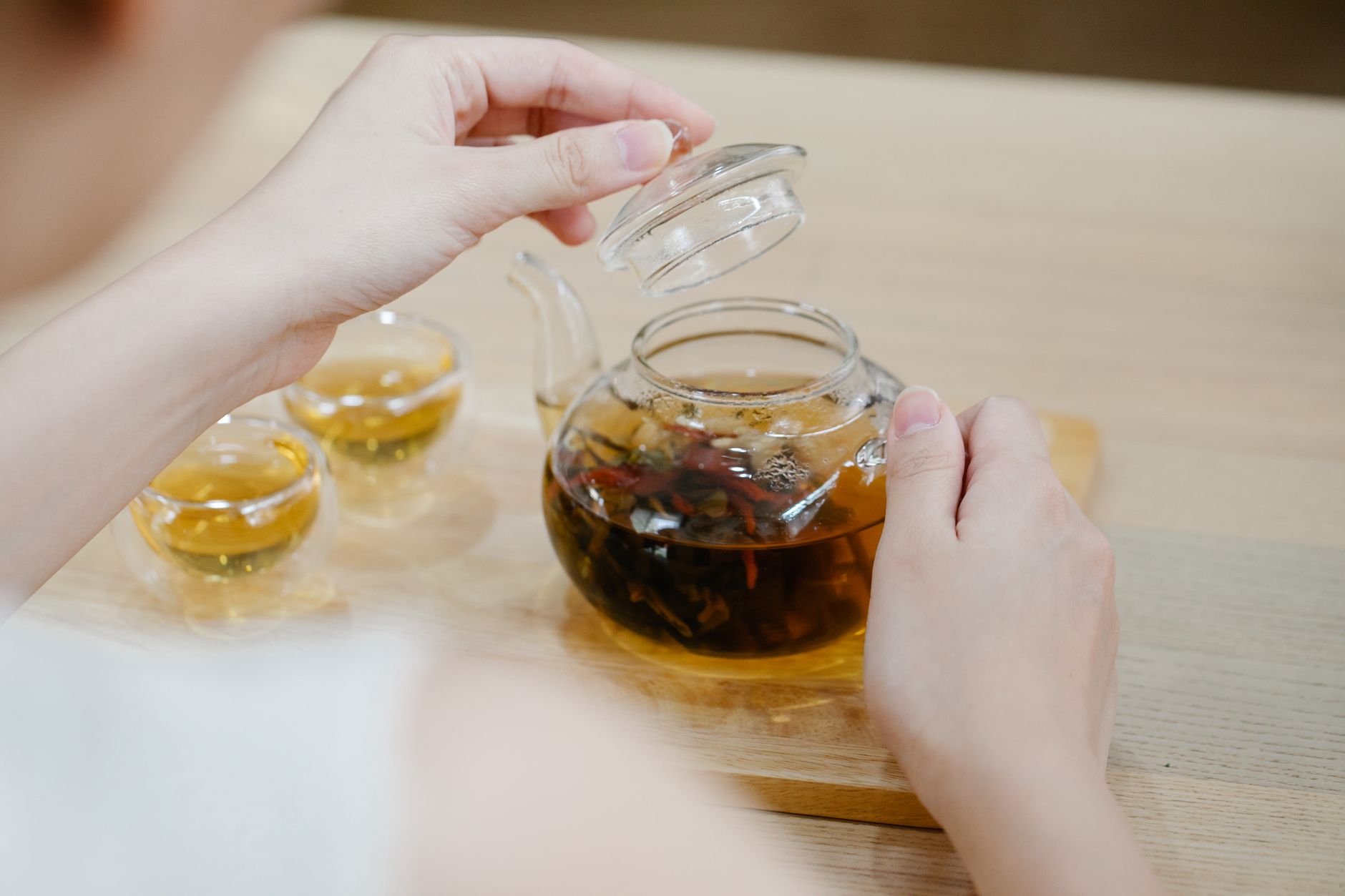
Understanding how long to steep tea is essential for brewing the perfect cup. The steeping time can greatly influence the flavor, aroma, and overall experience of drinking tea. Whether you’re drawn to the delicate notes of green tea or the bold richness of black tea, knowing the optimal steeping duration will help you enhance your tea enjoyment.
This complete guide provides clear instructions on steeping times based on tea type, offers tips for best practices, and explains the science behind the steeping process. By the end, you’ll be equipped with the knowledge to brew tea that satisfies your personal taste.
How Long To Steep Tea?
The ideal steeping time for tea generally ranges from 2 to 7 minutes, depending on the type of tea you’re preparing. Each tea variety has its own recommended steeping time that influences its flavor profile and strength. For instance, black tea typically steeps for 3 to 5 minutes, while green tea requires only 2 to 3 minutes.
Types of Tea and Their Steeping Times
Tea can be broadly categorized into six main types: white, green, oolong, black, herbal, and rooibos. Each type possesses unique flavors and characteristics, which are enhanced by proper steeping times. Here’s a detailed breakdown of the popular tea types and their suggested steeping durations:
1. White Tea
White tea is the least processed of all tea types, retaining a delicate flavor and numerous health benefits. Its light flavor profile is best preserved with minimal steeping.
- Steeping Time: 4 to 5 minutes
- Water Temperature: 160°F to 185°F (71°C to 85°C)
2. Green Tea
Green tea is rich in antioxidants and offers a fresh, grassy flavor. Steeping too long can result in bitterness.
- Steeping Time: 2 to 3 minutes
- Water Temperature: 175°F to 185°F (79°C to 85°C)
3. Oolong Tea
Oolong tea is semi-oxidized, which allows its flavor profiles to fall somewhere between black and green tea. It can be steeped multiple times.
- Steeping Time: 4 to 7 minutes
- Water Temperature: 190°F to 200°F (88°C to 93°C)
4. Black Tea
Black tea is fully oxidized and has a robust flavor. Longer steeping times can bring out a more intense taste.
- Steeping Time: 3 to 5 minutes
- Water Temperature: 200°F to 212°F (93°C to 100°C)
5. Herbal Tea
Herbal teas are caffeine-free and made from dried herbs, fruits, and spices. They typically require longer steeping times to extract maximum flavor.
- Steeping Time: 5 to 7 minutes
- Water Temperature: 200°F to 212°F (93°C to 100°C)
6. Rooibos Tea
Rooibos tea is a naturally caffeine-free herbal option with a smooth, slightly sweet flavor. It benefits from longer steeping times to enhance its rich character.
- Steeping Time: 5 to 7 minutes
- Water Temperature: 200°F to 212°F (93°C to 100°C)
Factors That Affect Steeping Time
While the above recommendations serve as a solid guideline, various factors can influence the steeping time, including:
1. Tea Leaf Size
The size of the tea leaves can affect how quickly flavor is extracted. Finer tea leaves steep faster than whole-leaf teas, which require longer steeping to release their flavors.
2. Personal Preference
Steeping time can be adjusted according to personal taste. If you prefer a stronger tea, consider extending the steeping time or using a higher quantity of tea leaves.
3. Water Temperature
The temperature of the water used also plays a crucial role in determining how quickly the flavors are extracted. Higher temperatures generally require shorter steeping times, whereas cooler temperatures may need longer to achieve the desired strength.
4. Quality of Tea
The quality of the tea will affect the overall steeping time and flavor. Higher quality teas often require less time to steep, while lower quality teas may need longer to enhance their flavor profiles.
Steps for Perfectly Steeping Tea
To brew a perfect cup of tea, follow these simple steps:
- Choose Your Tea: Select the type of tea you want to brew.
- Measure Tea Leaves: Use about 1 teaspoon (2-3 grams) of loose tea leaves per cup (8 oz) of water. For tea bags, one bag per cup is standard.
- Heat Water: Bring the water to the appropriate temperature for your specific type of tea. Utilize a thermometer or an electric kettle with temperature settings for accuracy.
- Add Tea: Place your tea leaves in an infuser or directly in the cup if using loose leaves.
- Pour Water: Pour the hot water over the tea leaves and start the timer based on the steeping recommendations.
- Remove Tea: Once the steeping time is complete, remove the tea leaves or tea bag to prevent bitterness.
- Serve: Enjoy your tea as is or add sweeteners, milk, lemon, or herbs for additional flavors.
Common Mistakes to Avoid When Steeping Tea
To enhance your tea brewing experience, be mindful of these common mistakes:
- Using Incorrect Water Temperature: Different teas require different temperatures. Using boiling water for delicate teas like green or white can scald the leaves.
- Steeping Too Long: Allowing tea to steep longer than recommended can result in bitterness, especially for green and white teas.
- Not Fresh Tea:** Ensure your tea is fresh; old or stale tea can yield poor flavor.
- Overloading with Tea: Using too many leaves can result in overpowering flavors. Always stick to recommended ratios.
- Neglecting Filtering: If using loose tea, neglecting a good quality infuser can lead to a messy cup experience. Use an appropriate tool.
Enhancing Your Tea Experience
Once you’ve mastered the steeping time, explore these suggestions to further enrich your tea experience:
1. Experiment with Blends
Feel free to blend different tea varieties. For example, mixing green tea with a hint of jasmine or combining black tea with chai spices can create unique flavors.
2. Consider Seasonal Pairings
Seasonal ingredients can add depth to your tea. In summer, refresh with iced herbal teas infused with fresh berries; in winter, cozy up with spiced chai or warm ginger tea.
3. Serve Properly
Teas can be served hot or cold, depending on your preference. Discover the joy of iced teas by steeping them longer, then straining and serving over ice.
4. Elevate with Accompaniments
Pair your tea with complementary snacks. Biscuits and scones are fantastic with black tea, while delicate pastries fit perfectly with lighter teas.
Why Steeping Time Matters
Steeping time impacts not just flavor, but also aroma and health benefits. Proper steeping extracts beneficial compounds, such as antioxidants in green tea or the calming properties of chamomile. Incorrect steeping can lead to an unbalanced cup, lacking the complexities found in well-prepared tea.
If you’re looking for further information on creating delicious tea-based drinks, you may want to try recipes like ginger cinnamon tea or an earl grey milk tea for creative variations.
How to Store Tea for Optimal Freshness
To keep your tea fresh and flavorful, follow these storage guidelines:
- Keep Airtight: Store tea in an airtight container to minimize exposure to moisture and air, which can degrade its flavor.
- Avoid Sunlight: Place your tea in a dark, cool location away from direct sunlight. Light can damage tea leaves.
- Monitor Temperature: Maintain a consistent temperature; avoid storing tea near heat sources like the oven or stove.
- Length of Storage: Use tea within six months to one year for best results. Fine teas tend to have a shorter shelf life than robust varieties.
Conclusion
As you embark on your tea-brewing journey, remember that steeping time is a vital piece of the puzzle. Each type of tea and each personal preference will influence how long you should steep. By mastering these elements and avoiding common mistakes, you’re ready to enjoy an exquisite cup every time.
Explore more recipes and tips to elevate your culinary skills, such as how to make ginger cinnamon tea or discover the rich layers of flavors in earl grey milk tea.