
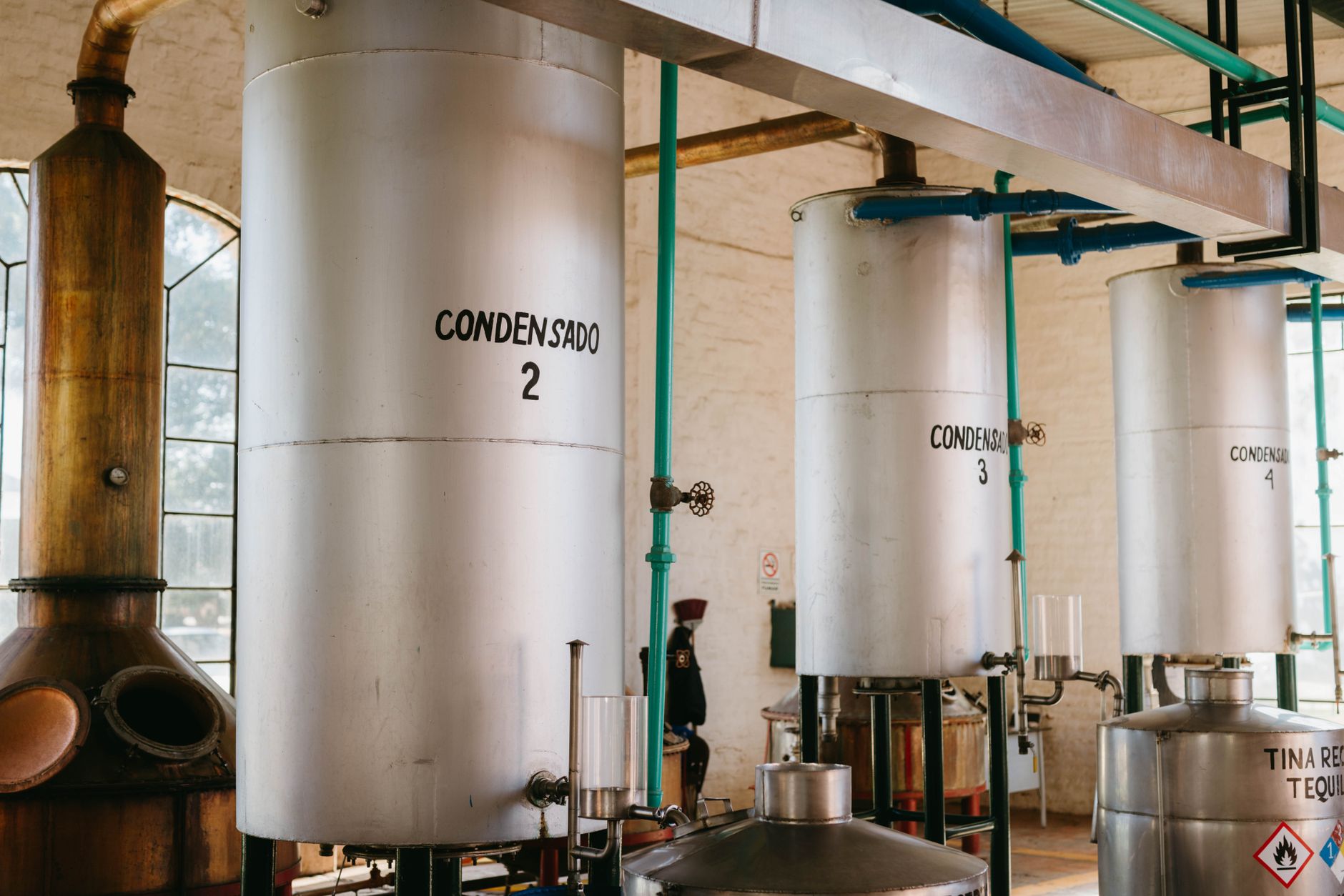
Vodka, a spirit known for its versatility and smoothness, is enjoyed in a variety of drinks and cocktails around the world. Its production process is a fascinating combination of science and artistry, involving meticulous techniques in fermentation, distillation, and filtration. Understanding how vodka is made not only enhances your appreciation of this spirit but also informs your choices when selecting or mixing drinks.
This guide explores the core components and steps involved in vodka production, detailing everything from the choice of ingredients to the bottling process. Whether you’re a cocktail enthusiast or just curious about spirits, this comprehensive look at vodka production will provide clarity on what makes this drink unique.
How Is Vodka Made?
The process of making vodka involves several key steps: selecting ingredients, fermentation, distillation, filtration, and bottling. While the base ingredients and methods may vary slightly depending on regional traditions or specific brands, the fundamental principles remain largely the same.
Ingredients Used in Vodka Production
The first step in vodka production is selecting the right ingredients. Here are the primary options:
- Grains: Wheat, rye, barley, and corn are commonly used. Each grain can impart different flavors and characteristics to the vodka.
- Potatoes: Some vodkas are made from potatoes, giving a creamy texture and a subtle, earthy flavor.
- Fruits: Rarely, fruits like grapes or apples can be utilized in vodka production, leading to unique flavor profiles.
- Water: The purity of water is crucial, as it constitutes a large part of the final product. Pure, high-quality water enhances the flavor.
The Vodka Production Process
1. Mashing
The conversion of starches from grains or potatoes into sugars occurs during the mashing process. The selected ingredient is ground and mixed with hot water. This stimulates enzymes that break down the starches into fermentable sugars. Key steps include:
- Grinding the raw materials to the desired consistency.
- Heating this mixture to activate the enzymes.
- Cooling the mixture before fermentation.
2. Fermentation
Fermentation is a vital step where yeast converts the sugars into alcohol. During this time, the mixture, called “mash” or “wash,” may take anywhere from a few days to a week to complete. Important aspects include:
- The type and strain of yeast chosen will influence the flavor profile.
- Maintaining proper temperature during fermentation is crucial to optimize yeast activity.
- The end product is a low-alcohol liquid, usually around 5-10% alcohol by volume (ABV).
3. Distillation
Distillation is the process of heating the fermented wash to separate the alcohol from the water and other components. There are two main types of distillation: continuous and batch. In vodka production:
- The wash is heated in a still, and as it heats, the alcohol vapors rise.
- These vapors are collected and cooled back into liquid form. The goal is to achieve a high ABV, typically around 95-96%.
- Multiple distillations may be performed to achieve a purer spirit.
4. Filtration
After distillation, vodka is often filtered to remove impurities and enhance clarity. Common filtration methods include:
- Charcoal Filtration: This method uses activated charcoal to absorb unwanted impurities and flavors.
- Sand Filtration: This uses sand to filter out larger particles, providing a clean final product.
- Ice Filtration: In some processes, vodka is frozen to separate impurities that are denser than alcohol.
5. Dilution and Bottling
Once the vodka is filtered, it is diluted with water to achieve the desired alcohol content, usually around 40% ABV. The final product is then bottled for consumer sales. Key points include:
- Water quality is paramount for dilution—it should be as pure as the water used in earlier stages.
- Once bottled, vodka is ready for distribution, ready to be enjoyed in a variety of cocktails or sipped neat.
Different Types of Vodka
Vodka can be categorized based on various factors including the base ingredient used and the production method. Here are some common types:
- Pure Vodka: Made with traditional bases like grains or potatoes, focusing on a clean taste.
- Flavored Vodka: Infused with fruits, herbs, or spices, offering unique flavor profiles for cocktails.
- Craft Vodka: Typically produced by small-scale distillers focusing on quality and distinctiveness, often using innovative ingredients.
- Organic Vodka: Made from organically grown grains or potatoes and produced without synthetic additives.
Common Mistakes in Vodka Production
While many aspects of vodka production require expertise, certain common mistakes can be avoided, making the process smoother.
- Neglecting water quality—using poor quality or impure water can significantly affect the final product.
- Improper fermentation temperatures may stall yeast activity or lead to undesirable flavors.
- Rushing the distillation process can result in impurities remaining in the final product.
Storage and Serving Tips
To ensure the best experience with vodka, proper storage and serving are essential. Here are some tips:
- Store vodka in a cool, dark place to maintain flavor and prevent degradation.
- Chilling vodka can enhance its smoothness and is often preferred when served straight.
- Use clean glassware to avoid contamination of flavors; rinsing glasses with cold water beforehand can also enhance the tasting experience.
Vodka-Based Cocktails and Mixers
Vodka’s neutral flavor makes it a popular base for a myriad of cocktails. Here are a few classic vodka drinks and mixers:
- Moscow Mule: A refreshing blend of vodka, ginger beer, and lime served in a copper mug.
- Vodka Martini: A sophisticated mix of vodka and dry vermouth, garnished with an olive or a twist of lemon.
- Cosmopolitan: A fruity concoction made with vodka, triple sec, cranberry juice, and lime juice.
- Vodka Cranberry: A simple yet popular drink, mixing vodka and cranberry juice for a lightly sweet, tangy flavor.
Exploring Different Vodka Brands and Styles
With myriad vodka brands available globally, exploring different styles provides an exciting journey into flavors and characteristics:
- Russian Vodka: Known for its tradition and quality, often made from rye.
- Polish Vodka: Traditional potato vodka, typically with a rich and creamy mouthfeel.
- American Craft Vodka: Often made with regional grains or unique ingredients, emphasizing local flavor.
Making Your Own Vodka at Home
For enthusiasts, producing vodka at home can be a rewarding hobby. However, it requires attention to legal considerations, equipment, and safety measures.
- Check local laws regarding home alcohol production to ensure legal compliance.
- Invest in a quality still specifically designed for distillation.
- Follow proper safety protocols to prevent potentially hazardous situations.
Responsible Vodka Consumption
As with any alcoholic beverage, enjoying vodka responsibly is crucial. Here are some guidelines to follow:
- Drink in moderation: Set personal limits and keep track of intake.
- Stay hydrated: Alcohol can be dehydrating, so drink water in between servings of vodka.
- Know when to stop: Recognize signs of overconsumption and avoid drinking in risky situations.
The production of vodka is a detailed process that combines science with an appreciation for flavor. Understanding how vodka is made provides a deeper connection to the spirits you enjoy. Whether you’re trying a new cocktail, or perhaps planning to make your own vodka from scratch, you’ll appreciate the complexity and craft behind this popular spirit.
Explore related recipes and guides, such as potato vodka recipe for a homemade twist, or learn how to mix drinks with vodka using our vodka cranberry recipe.