
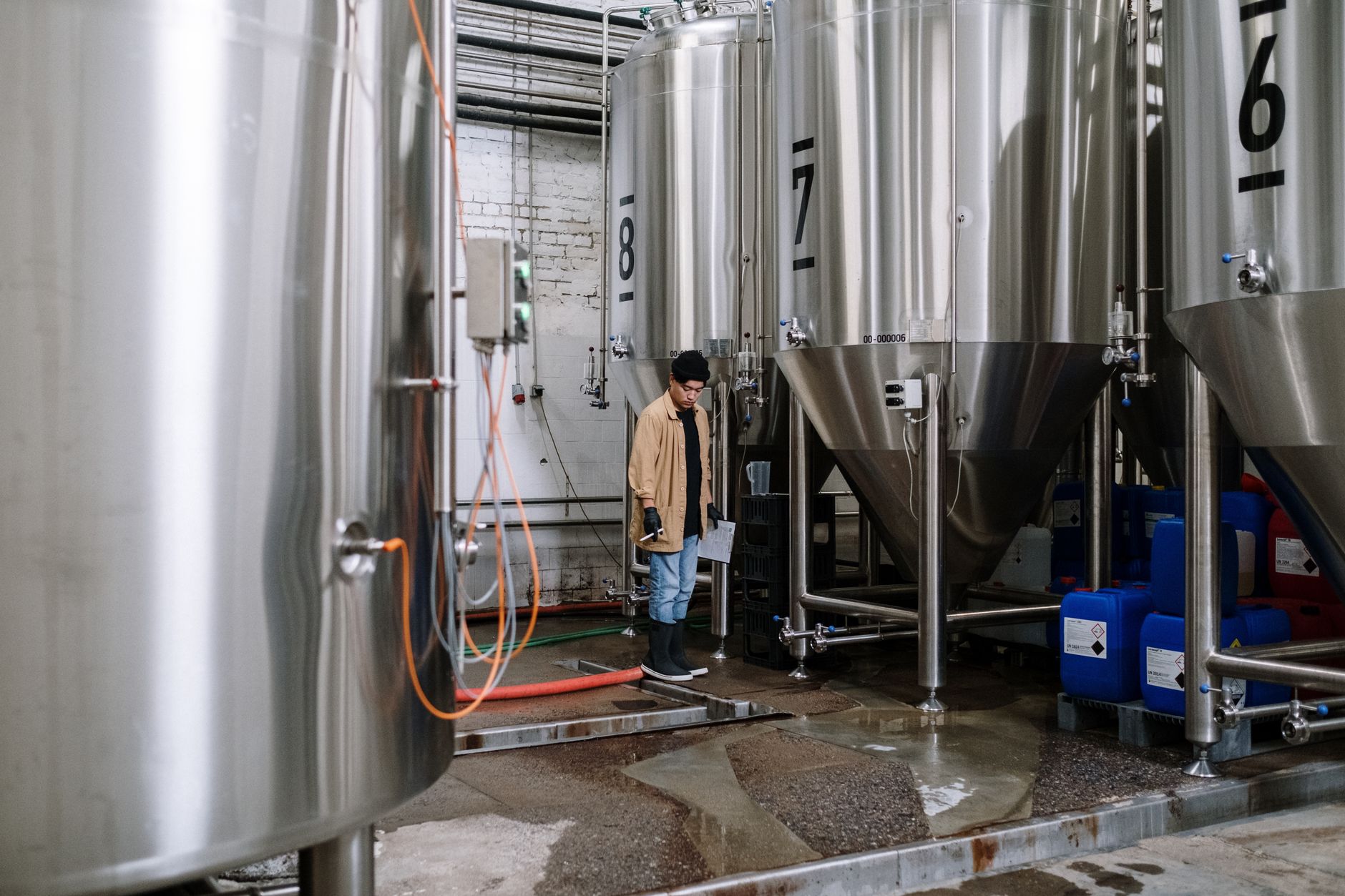
Non-alcoholic beer, or NA beer, is a refreshing beverage that has become increasingly popular for those desiring the taste of beer without the effects of alcohol. The process of making NA beer involves a few specialized techniques to remove or reduce the alcohol content while preserving the flavors and aromas unique to beer. Understanding how this unique drink is made can enhance appreciation for its complex flavors.
This complete guide will take you through the stages of NA beer production, covering ingredients, methods, and helpful tips for crafting a satisfying beverage that fits any occasion.
How Is NA Beer Made?
NA beer is made through fermentation like traditional beer but undergoes additional steps to ensure the alcohol content is minimized or eliminated. The main methods for producing NA beer are arrested fermentation and dealcoholization, each with its nuances that contribute to the final flavor profile.
Key Ingredients in NA Beer
Before diving into the processes, it’s essential to understand the ingredients that contribute to the crafting of NA beer:
- Water: The primary ingredient in beer, water makes up about 90% of the finished product. The mineral content and pH of the water can influence the beer’s final taste.
- Malted Barley: Barley grains are malted to produce fermentable sugars, which are essential for brewing. The malting process enhances the flavor, contributing to the beer’s body and aroma.
- Hops: Hops add bitterness and aroma to the beer. There are numerous hop varieties available, each bringing different flavor profiles, including citrus, floral, and earthy notes.
- Yeast: Yeast is crucial for fermentation. Different yeast strains can affect the flavor, aroma, and overall character of the beer.
- Adjuncts: Other ingredients like corn, rice, or adjunct malts may be added to improve the flavor, mouthfeel, or reduce the beer’s costs.
Process of Making NA Beer
The process of making NA beer can be broken down into several stages. Although this closely resembles traditional brewing, the methods used to deal with alcohol content set it apart.
1. Brewing the Wort
- Mashing: The malted barley is mixed with hot water in a mash tun. This process activates enzymes that convert starches in the grains into fermentable sugars, creating a sweet liquid called wort.
- Boiling: The wort is then boiled, and hops are added. The boiling not only sterilizes the wort but also extracts bitterness from the hops and contributes to the beer’s flavor and aroma.
- Cooling: After boiling, the wort is rapidly cooled to a suitable temperature for fermentation using a heat exchanger. This step is crucial to prevent unwanted bacteria from developing.
2. Fermentation
- Yeast Addition: Once cooled, yeast is pitched (added) to the wort to begin fermentation. The yeast consumes the sugars, producing alcohol and carbon dioxide. For traditional beer, fermentation can take several days to weeks.
- Monitoring: During fermentation, the brewer closely monitors the specific gravity to track the alcohol levels and flavor development.
3. Arrested Fermentation
This method is commonly used to create NA beer. The fermentation process is halted early before the alcohol concentration exceeds 0.5% ABV (alcohol by volume). This can be done through various techniques:
- Temperature Control: Lowering the fermentation temperature can slow down yeast activity, reducing the amount of alcohol produced.
- Filtration: Using specialized filters during fermentation helps remove yeast cells, halting the fermentation process.
4. Dealcoholization
Another common process involves removing alcohol after fermentation, ensuring the beer remains flavorful without high alcohol content.
- Vacuum Distillation: By lowering the boiling point in a vacuum, alcohol is removed at a lower temperature, preserving the delicate flavors of the beer.
- Reverse Osmosis: This filtration process separates the alcohol from the beer using a membrane, allowing the brewer to blend the alcohol-free liquid back with the concentrated flavors of the original beer.
5. Carbonation and Packaging
- Carbonation: After removing the alcohol, carbonation is reintroduced either through natural fermentation in a sealed environment or by adding CO2.
- Packaging: Finally, the NA beer is filtered, packaged, and pasteurized if necessary to ensure stability and shelf life.
Understanding Flavors and Styles of NA Beer
NA beer comes in various styles, including lagers, ales, stouts, and IPAs. Each style offers different flavor profiles and characteristics. For example, a NA lager may provide crisp and clean flavors, while an NA stout could offer rich, dark chocolate and coffee notes. Understanding these styles helps in selecting the right NA beer for your taste preference.
Helpful Tips for Brewing NA Beer at Home
If you’re considering brewing your own NA beer at home, here are some practical tips:
- Start Simple: Begin with a basic recipe before experimenting with different grains and hops. Starting simple allows you to focus on mastering the fermentation process.
- Quality Ingredients: Use high-quality, fresh ingredients to enhance the flavors of your NA beer. Investing in good malts and hops will significantly affect your final product.
- Temperature Control: Maintaining consistent fermentation temperatures is crucial for successful brewing. Invest in temperature control equipment to avoid unexpected flavors caused by wild yeast or bacteria.
- Experiment with Flavors: Be adventurous by adding different hops, adjuncts, or even spices to develop unique flavors in your NA beer.
Common Mistakes to Avoid When Making NA Beer
Even experienced brewers can encounter challenges during the brewing process. Here are some common mistakes to watch out for:
- Skipping Sanitization: Hygiene is crucial in brewing. Always sanitize your equipment to prevent contamination from undesirable microorganisms.
- Not Monitoring Fermentation: Failing to check fermentation progress regularly can lead to over- or under-fermentation, affecting your beer’s flavor and alcohol content.
- Inadequate Cooling: Cooling the wort too slowly can introduce unwanted bacteria, compromising the beer’s taste.
Storage and Serving Suggestions
NA beers should be stored properly to maintain their flavors and quality. Here are some storage and serving tips:
- Cool and Dark Environment: Store NA beer in a cool, dark place away from direct sunlight and heat to prevent spoilage.
- Serve Chilled: For a refreshing experience, serve NA beer chilled in a clean glass to appreciate its aroma and flavors.
- Food Pairings: NA beer can pair well with various dishes. Light lagers match with seafood and salads, while rich stouts complement chocolate desserts and spicy foods.
Variations on NA Beer
If you’re looking to add variety to your NA beer experience, consider these alternative beverages:
- Kombucha: A fermented drink made from tea and sugar, kombucha has a slightly tangy flavor profile and is popular among health enthusiasts.
- Sparkling Water: For a refreshing non-alcoholic option, flavored sparkling water can satisfy your thirst without the calories of traditional sodas.
- Craft Ciders: Non-alcoholic versions of apple or pear ciders offer fruity flavors and are great for those looking for something different.
Conclusion
Understanding the process of how NA beer is made opens up new possibilities for appreciation, whether you’re enjoying a store-bought option or crafting your own at home. By exploring the ingredients, learning the methods, and utilizing helpful tips, you can delve into the world of non-alcoholic brewing with confidence.
If you’re interested in making other non-alcoholic drinks, check out this homemade root beer recipe or get inspired by this fermented ginger beer recipe for refreshing beverages.