
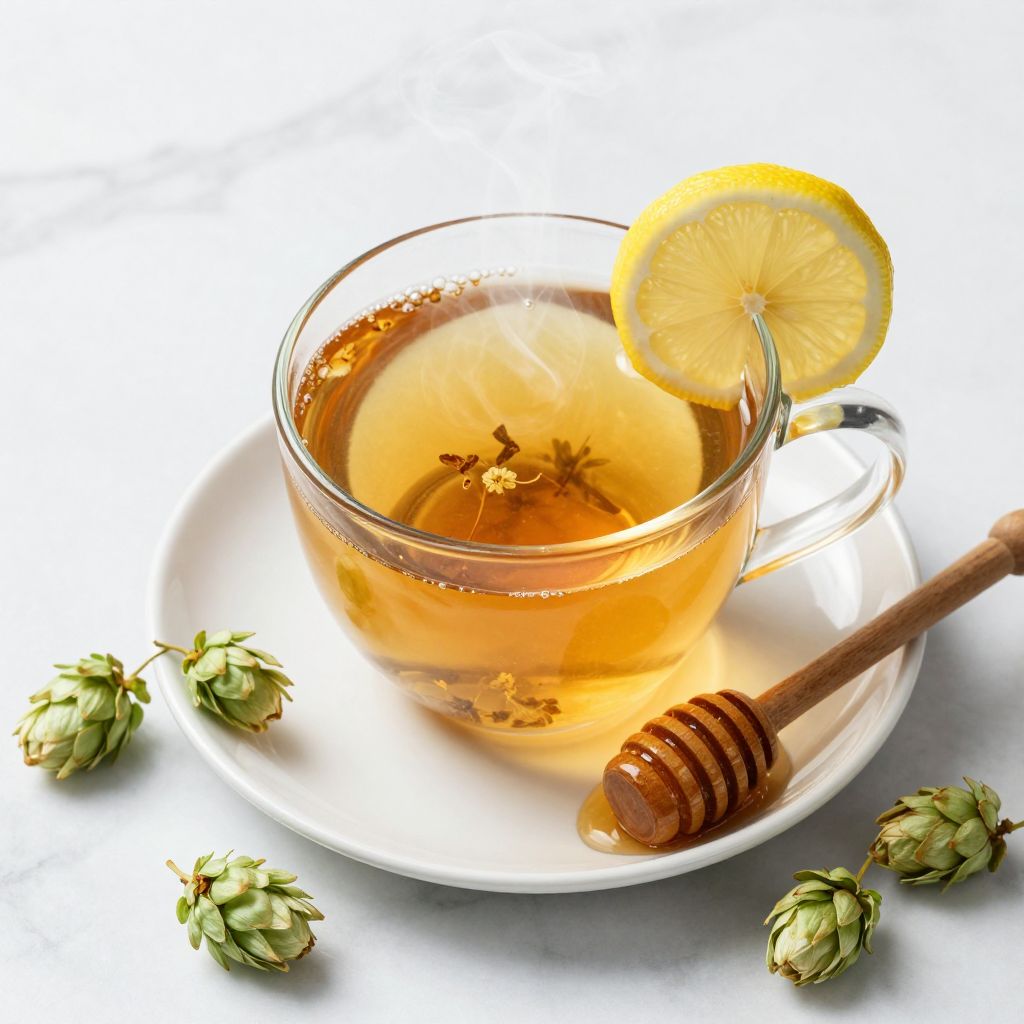
There’s something deeply comforting about steeping a mug of hop tea on a quiet afternoon, watching the golden liquid transform from clear water into something herbaceous and slightly floral.
This tea offers a unique flavor profile that bridges the gap between traditional herbal infusions and craft beverage culture. Hops, best known for their role in brewing beer, deliver a gentle bitterness with woody and citrus undertones that make this drink genuinely memorable. The best part is that brewing hop tea takes just minutes, making it perfect for anyone seeking a calming ritual without the caffeine kick of coffee or black tea.
Why You’ll Love This Recipe
Hop tea brings sophistication and wellness together in one simple cup. This recipe delivers complexity in flavor while remaining beginner-friendly to prepare.
- Naturally caffeine-free, perfect for evening relaxation or anytime sipping
- Packed with relaxing compounds that many find promote restful sleep
- Subtle earthy notes with hints of citrus and floral undertones
- Budget-friendly alternative to premium herbal teas
- Supports digestive health and may ease minor anxiety
My Experience Making This Recipe
The first time I brewed hop tea, I wasn’t sure what to expect. My kitchen filled with an aroma reminiscent of fresh hay mixed with subtle lemon zest, and I found myself genuinely intrigued.
I served it to a friend who’s always searching for new ways to wind down after work, and their reaction surprised me. They described it as “herbaceous without being grassy” and asked for the recipe immediately.
What impressed me most was how the flavor deepens with a longer steep. A five-minute infusion tastes completely different from a ten-minute one, giving you control over how bold your tea becomes. Now I keep dried hops in my pantry year-round.
Recipe Overview
- Recipe Name: Hop Tea
- Servings: 1 cup
- Prep Time: 2 minutes
- Cook Time: 5 to 10 minutes
- Total Time: 7 to 12 minutes
- Course: Beverage
- Cuisine: Herbal
- Calories per Serving: 5
Equipment You Will Need
- Tea kettle or small pot
- Mug or teacup
- Tea infuser, strainer, or cheesecloth
- Spoon for stirring
- Thermometer (optional but helpful)
Ingredients for Hop Tea
- Dried hop flowers: 1 teaspoon to 1 tablespoon, depending on desired strength
- Water: 8 ounces (about 1 cup)
- Honey or sweetener of choice: 1/2 teaspoon to 1 teaspoon (optional)
- Fresh lemon juice: 1/2 teaspoon (optional, brightens flavor)
Ingredient Notes and Substitutions
- Dried hop flowers provide the foundation of this tea with their calming properties and distinctive herbal taste. If you can’t find pure hops, look for herbal tea blends that feature hops as a primary ingredient, though the flavor will be less pronounced.
- Water should be fresh and filtered for the cleanest taste. Using tap water won’t ruin the tea, but filtered water allows the hop flavor to shine without mineral interference.
- Honey adds natural sweetness and actually complements the woody notes of hops beautifully. Agave nectar or maple syrup work equally well if you prefer those flavors.
- Lemon juice cuts through the earthiness and brings brightness to the cup. Lime juice or orange zest provide similar lift if that’s what you have on hand.
How to Make Hop Tea
Step 1: Gather Your Hops
Measure out 1 teaspoon of dried hop flowers if you prefer a milder tea, or use up to 1 tablespoon for something bolder. Fresh hops can work too, though you’ll need roughly triple the amount since fresh flowers contain more water weight.
Step 2: Heat Your Water
Pour 8 ounces of fresh water into your kettle and bring it to a boil. You want water that’s hot enough to fully extract the hop compounds, but not so scorching that it damages the delicate floral notes.
Step 3: Prepare Your Infuser
If using a tea infuser or strainer, place your dried hops inside now. This keeps loose plant material out of your finished cup and makes cleanup simple.
Step 4: Pour the Hot Water
Carefully pour the boiling water over your hops in a mug or cup. The hops will begin releasing their oils and flavor compounds immediately, turning the water a pale golden color.
Step 5: Set Your Steeping Time
A 5-minute steep produces a lighter, more delicate tea with subtle herbal notes. Extending the steep to 10 minutes brings out deeper earthiness and increased bittering compounds, making the tea more pronounced and relaxing.
Step 6: Monitor the Infusion
Watch the color develop as the hops steep. The liquid should shift from clear to a pale yellow or golden amber depending on your steeping time and the amount of hops used.
Step 7: Strain Your Tea
Once your desired steeping time has passed, carefully remove the infuser or pour the tea through a fine mesh strainer into a fresh cup. This prevents over-steeping and ensures no hop particles end up in your drink.
Step 8: Add Optional Enhancements
Stir in honey or your preferred sweetener if you like, then add a squeeze of fresh lemon juice to brighten the flavor. Taste the tea and adjust sweetness or acidity to match your preference.
Step 9: Serve and Enjoy
Let the tea cool slightly if needed, then sip slowly and savor the complex herbal experience. Many people find the ritual of holding a warm cup just as relaxing as the tea itself.
Pro Tip: Buy dried hops from specialty beer brewing supply stores or quality herbal retailers to ensure you’re getting food-grade flowers meant for consumption, not agricultural hops treated with chemicals.
Tips for the Best Hop Tea
- Start with 1 teaspoon of hops and gradually increase the amount until you find your ideal strength. Everyone’s taste differs, so dialing in what works for you takes one or two attempts.
- Water temperature matters more than most people realize. If your water has cooled slightly below boiling, your steep time can extend to 12 to 15 minutes without becoming unpleasantly bitter.
- Store dried hops in an airtight container away from light and heat to preserve their potency and flavor. Properly stored hops stay fresh for several months.
- Experiment with pairing hop tea with honey varieties that complement earthy flavors. Raw honey or buckwheat honey create especially interesting flavor combinations.
- Chill brewed hop tea and serve it over ice during warm months for a refreshing herbal iced tea alternative. The flavor remains smooth even when cold.
- Consider a second infusion if you’ve used a full tablespoon of hops. Many people get a milder but still pleasant second cup from the same leaves.
Common Mistakes to Avoid
- Using agricultural hops meant for brewing beer instead of food-grade hops can introduce unwanted chemicals and flavors. Always source hops specifically labeled for tea or culinary use.
- Over-steeping beyond 15 minutes creates an unpleasantly astringent cup with harsh bitterness that overshadows the subtle nuances. Set a timer if you struggle with timing.
- Adding hops to water that hasn’t reached temperature means incomplete flavor extraction and a weak, underwhelming tea. Boiling water is essential for proper infusion.
- Forgetting to strain the hops leaves sediment that creates a grainy mouthfeel and can intensify bitterness as particles continue releasing compounds.
- Storing hops in clear glass containers exposed to light degrades their flavor quickly. Opaque, airtight containers in cool, dark spaces extend shelf life significantly.
Serving Suggestions
Hop tea works beautifully as an evening wind-down ritual or a daytime herbal refreshment. Consider pairing it with light snacks or sweet treats to complement its subtle herbal character.
- Pair with shortbread cookies or butter biscuits to echo the floral undertones in the tea
- Serve alongside soft cheese and crackers for a sophisticated afternoon break
- Enjoy with honey cakes or lemon bars to amplify the citrus notes naturally present in hops
- Combine with dark chocolate for a contrast that emphasizes the tea’s earthy qualities
- Drink plain on its own to fully appreciate the complex herbal flavor profile without distraction
Variations to Try
- Honey and Ginger Hop Tea: Add a thin slice of fresh ginger during steeping to introduce warmth and spice that plays beautifully against the hops’ floral notes.
- Citrus-Infused Hop Tea: Add dried orange peel or lemon zest to the infuser alongside the hops for a brighter, more aromatic cup with increased vitamin C content.
- Chamomile and Hop Blend: Mix equal parts dried hops and chamomile flowers to create a smoother, more familiar herbal tea that’s slightly less bitter.
- Minty Hop Tea: Combine hops with fresh or dried mint leaves to introduce a cooling element that refreshes the palate while maintaining the tea’s relaxing properties.
- Lavender Hop Tea: Blend hops with a small amount of dried culinary lavender to create a floral, aromatic tea with enhanced calming effects.
Dietary Adaptations
- Gluten-Free: Hop tea is naturally gluten-free when made with pure dried hops and clean water. Simply verify that your hops come from a facility that doesn’t cross-contaminate with gluten-containing products.
- Dairy-Free: This recipe contains no dairy, making it perfectly suited for vegan and dairy-free diets in its basic form. All sweetening and enhancement options can remain plant-based.
- Vegan and Vegetarian: Hop tea is entirely plant-based and vegan-friendly without any adaptations needed. Use plant-based sweeteners like agave or maple syrup if you prefer to avoid honey.
- Low-Carb and Keto: Pure hop tea contains virtually no carbohydrates, making it ideal for low-carb and ketogenic diets. Avoid adding honey and stick to zero-carb sweeteners if tracking macros carefully.
Storage and Reheating
Refrigerator
Brewed hop tea keeps for up to 3 days when stored in an airtight glass container in the refrigerator. The flavor remains stable, though subtle earthy notes may intensify slightly with time.
- Store in glass containers rather than plastic to prevent flavor absorption
- Keep away from strong-smelling foods that might transfer odors to the tea
- Check for any cloudiness or off-odors before drinking older batches
Freezer
Freeze brewed hop tea in ice cube trays for convenient portions that last several months. This works beautifully if you want to quickly make iced hop tea or add it to other beverages.
- Pour cooled tea into ice cube trays and freeze solid
- Transfer frozen cubes to airtight freezer bags for compact storage
- Use frozen cubes within 3 to 4 months for best flavor quality
Reheating
Gently warm refrigerated hop tea in a small saucepan over low heat or microwave it in 30-second intervals until steaming. Avoid boiling, which can intensify bitterness and damage delicate compounds.
- Stovetop reheating at low heat preserves flavor better than microwaving
- Add fresh water if the reheated tea tastes too concentrated
- Drink reheated tea within the same day for optimal taste and potential health benefits
Nutrition Information
| Nutrient | Amount |
|---|---|
| Calories | 5 |
| Total Fat | 0 g |
| Saturated Fat | 0 g |
| Carbohydrates | 1 g |
| Fiber | 0 g |
| Sugar | 0 g |
| Protein | 0 g |
| Sodium | 5 mg |
| Cholesterol | 0 mg |
Nutritional values reflect plain hop tea without added sweeteners or enhancements. Adding honey, lemon juice, or other ingredients will adjust the final nutritional profile accordingly.
Frequently Asked Questions
Can I use fresh hops instead of dried?
Yes, fresh hops work beautifully in tea, though you’ll need approximately three times the amount since fresh flowers contain significant water weight. The flavor will be slightly more delicate and fresh-tasting compared to dried hops.
Is hop tea safe to drink every day?
For most people, daily hop tea consumption is safe and potentially beneficial for relaxation and sleep quality. However, pregnant women should avoid hops, and anyone taking medications should consult their doctor about potential interactions.
How long can I store dried hops?
Properly stored dried hops in an airtight container away from light and heat remain fresh for 6 to 12 months. After that time, they gradually lose potency and flavor, though they won’t spoil if kept dry.
Why does my hop tea taste bitter?
Over-steeping is the most common cause of excessive bitterness in hop tea. Try reducing your steeping time to 5 minutes, using less hops, or adding honey and lemon juice to balance the flavors.
What’s the difference between bittering hops and aroma hops?
Bittering hops develop more harsh, astringent compounds when steeped and are traditionally used in beer brewing. Aroma hops feature more subtle, floral, and citrus notes that work better for tea applications.
Can I combine hop tea with other herbal teas?
Absolutely, hops blend wonderfully with chamomile, mint, lavender, and ginger to create custom herbal tea blends. Experiment with ratios to find flavor combinations that appeal to your palate.
Where can I buy food-grade dried hops?
Specialty beer brewing supply shops stock food-grade hops perfect for tea making. Online herbal retailers and some health food stores also carry culinary hops clearly labeled for tea and culinary use.
Final Thoughts
Hop tea deserves a permanent place in your herbal beverage rotation, whether you’re seeking better sleep, a relaxing wind-down ritual, or simply a delicious and unusual drink. The subtle complexity rewards you with new flavor discoveries each time you brew a cup.
Start with the basic recipe this week, then explore variations and flavor combinations as your confidence grows. You’ll quickly understand why this ancient herbal infusion continues to captivate tea enthusiasts and casual drinkers alike.
Hop Tea
Ingredients
Equipment
Method
- Measure out 1 tablespoon of dried hop flowers and place them in a tea infuser or strainer.
- Pour 8 ounces of fresh water into your kettle and bring it to a boil.
- Place the tea infuser with hops into your mug or cup.
- Carefully pour the boiling water over the hops in the mug. The water will begin turning a pale golden color immediately.
- Let the hops steep for 5 to 10 minutes, depending on desired strength. A 5-minute steep produces lighter flavor, while 10 minutes creates deeper earthiness.
- Remove the infuser or pour the tea through a fine mesh strainer into a fresh cup to prevent over-steeping.
- If desired, stir in honey or sweetener and add a squeeze of fresh lemon juice to brighten the flavor. Taste and adjust to your preference.
- Let the tea cool slightly, then sip slowly and enjoy the complex herbal experience.