
Picture this: a refreshing glass of tonic water, bubbles dancing as you take your first sip. Making your own Homemade Tonic is not just about the taste; it’s a delightful way to control the ingredients and add a personal touch to your beverages.
This recipe shines with its balance of sweetness and bitterness, making it versatile for cocktails or just a sparkling refreshment. Plus, you can tailor the flavors to your liking, ensuring every sip is a treat. Let’s dive into the details of crafting this tonic from scratch.
Why You’ll Love This Recipe
This homemade tonic is a standout for many reasons.
- Crafted with fresh ingredients for a vibrant flavor.
- Customizable sweetness and bitterness to suit your taste.
- Perfect for mixing with spirits or enjoyed on its own.
- Healthier than many store-bought options without artificial additives.
- Simple and satisfying to make at home.
My Experience Making This Recipe
The first time I made this Homemade Tonic, I was blown away by how easy it was. Watching the ingredients simmer together created a fragrant aroma that instantly filled my kitchen.
When it was finally ready, I poured it over ice and took a sip. The unique flavor was a delightful surprise, offering a bright twist to my usual drinks. My friends were impressed, and I felt like a mixologist.
Recipe Overview
- Recipe Name: Homemade Tonic
- Servings: 4
- Prep Time: 10 minutes
- Cook Time: 30 minutes
- Total Time: 40 minutes
- Course: Beverage
- Cuisine: International
- Calories per Serving: 50
Equipment You Will Need
- Medium saucepan
- Fine mesh strainer
- Measuring cups and spoons
- Glass jar or bottle for storage
- Stirring spoon
Ingredients for Homemade Tonic
- 4 cups water
- 1 cup sugar
- 1/4 cup cinchona bark (available at health food stores)
- 1 tablespoon citric acid
- 1 tablespoon fresh lime juice
- 1 teaspoon fresh lemon zest
- Optional: additional herbs or spices for flavor
Ingredient Notes and Substitutions
- Cinchona bark: It adds the classic bitter flavor. If unavailable, consider using gentian root for a similar effect.
- Citric acid: This enhances the tartness. You can substitute with more fresh lime juice if needed.
- Sugar: It balances the bitterness. Substitute with honey or agave syrup for a different sweetening option.
How to Make Homemade Tonic
Step 1: Combine Water and Cinchona Bark
In a medium saucepan, combine the water and cinchona bark. This forms the base of your tonic, extracting the essential flavors.
Step 2: Bring to a Boil
Heat the mixture over medium-high heat until it reaches a boil. Boiling helps to release the bitter compounds from the bark.
Step 3: Simmer the Mixture
Reduce the heat to low and let it simmer for 20 minutes. This step allows the flavors to intensify, creating a robust tonic base.
Step 4: Strain the Mixture
After simmering, strain the liquid through a fine mesh strainer into a clean bowl or jar. This removes the solid bits, leaving a clear tonic concentrate.
Step 5: Add Sugar and Citrus
Return the strained liquid to the saucepan and add sugar, citric acid, lime juice, and lemon zest. These ingredients will balance the bitterness and enhance the flavor.
Step 6: Heat Until Dissolved
Heat the mixture again over low heat, stirring until the sugar fully dissolves. This creates a smooth tonic syrup.
Step 7: Cool and Store
Let the tonic cool to room temperature before transferring it to a glass jar or bottle. Proper cooling ensures it stores well without spoiling.
Step 8: Mix and Enjoy
To serve, mix 1 part tonic syrup with 3 parts soda water. Adjust the ratio to your taste, and enjoy your refreshing drink!
Pro Tip: Always taste your tonic syrup before adding more sugar or citrus; you can always adjust the flavor!
Tips for the Best Homemade Tonic
- Use fresh citrus juice for a brighter flavor.
- Experiment with herbs like rosemary or mint for a unique twist.
- Let the syrup sit in the fridge for a few days to deepen the flavors.
- Always use filtered water for the cleanest taste.
- Store your tonic syrup in a sealed container to maintain freshness.
Common Mistakes to Avoid
- Skipping the straining step can leave your tonic gritty.
- Using too much sugar can overpower the tonic’s unique flavors.
- Not simmering long enough can lead to a weak taste.
- Forgetting to cool the syrup before storing can lead to spoilage.
Serving Suggestions
This tonic pairs wonderfully with various spirits and mixers. Here are some ideas to inspire your next drink.
- Pair with gin for a classic gin and tonic.
- Add vodka for a refreshing twist.
- Mix with whiskey for an interesting cocktail.
- Enjoy it over ice with fresh herbs.
- Use as a mixer in mocktails for a non-alcoholic option.
Variations to Try
- Add fresh ginger for a spicy kick.
- Incorporate cucumber for a cool, refreshing taste.
- Include cardamom for a warm, aromatic flavor.
- Try using different citrus fruits like grapefruit for a unique twist.
Dietary Adaptations
- Gluten-free: This recipe is naturally gluten-free.
- Dairy-free: No dairy is used in this tonic.
- Vegan: Replace sugar with agave syrup for a vegan-friendly option.
- Low-carb: Use a low-carb sweetener like erythritol for a keto-friendly tonic.
Storage and Reheating
Refrigerator
Store the tonic syrup in the fridge for up to 2 weeks.
- Use a sealed container to keep it fresh.
- Check for any off smells before using.
Freezer
You can freeze the tonic syrup for up to 3 months.
- Pour into ice cube trays for easy portioning.
- Thaw in the fridge before use.
Reheating
If you prefer warm tonic, gently heat in a saucepan before serving.
- Do not boil, as it can alter the flavor.
- Heat just until warm enough to enjoy.
Nutrition Information
| Nutrient | Amount |
|---|---|
| Calories | 50 |
| Total Fat | 0g |
| Saturated Fat | 0g |
| Carbohydrates | 13g |
| Fiber | 0g |
| Sugar | 12g |
| Protein | 0g |
| Sodium | 0mg |
| Cholesterol | 0mg |
This nutrition information is an estimate and may vary based on specific ingredients used.
Frequently Asked Questions
Can I make this tonic ahead of time?
Absolutely! The syrup can be made in advance and stored in the fridge for up to two weeks.
What can I substitute for cinchona bark?
If you can’t find cinchona bark, gentian root is a good alternative for bitterness.
How should I store the tonic syrup?
Store the syrup in a sealed jar in the refrigerator to keep it fresh.
Can I adjust the sweetness?
Yes, feel free to adjust the sugar to your liking; just remember that it balances the bitterness.
What’s the best way to serve it?
Mix it with soda water for a refreshing beverage, or pair it with your favorite spirit.
Final Thoughts
Making your own Homemade Tonic is an enjoyable experience that elevates your drink game. I encourage you to give it a try and experiment with flavors that excite your palate.
For more delicious drink ideas, check out this fantastic turmeric tonic recipe or explore this refreshing tonic water recipe. Happy mixing!
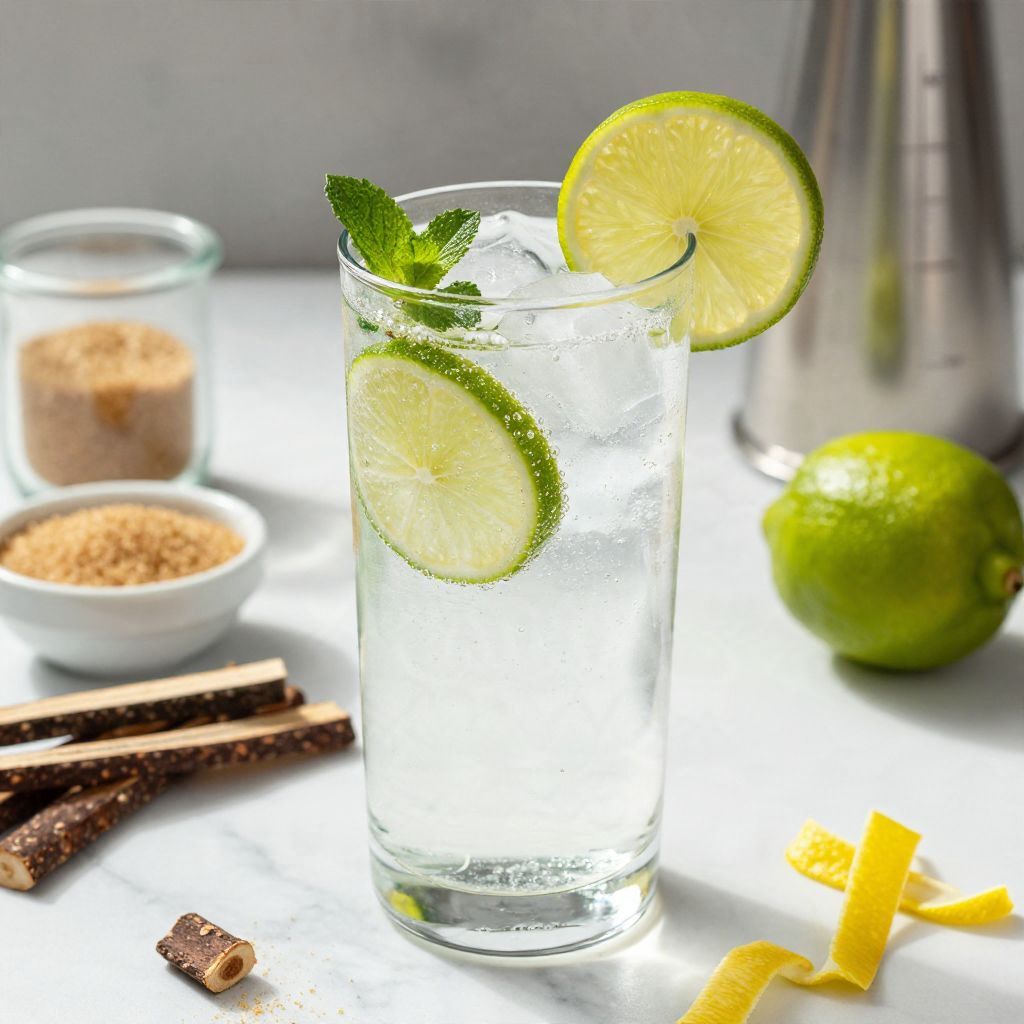
Homemade Tonic
Ingredients
Equipment
Method
- In a medium saucepan, combine the water and cinchona bark.
- Heat the mixture over medium-high heat until it reaches a boil.
- Reduce the heat to low and let it simmer for 20 minutes.
- After simmering, strain the liquid through a fine mesh strainer into a clean bowl or jar.
- Return the strained liquid to the saucepan and add sugar, citric acid, lime juice, and lemon zest.
- Heat the mixture again over low heat, stirring until the sugar fully dissolves.
- Let the tonic cool to room temperature before transferring it to a glass jar or bottle.
- To serve, mix 1 part tonic syrup with 3 parts soda water.