
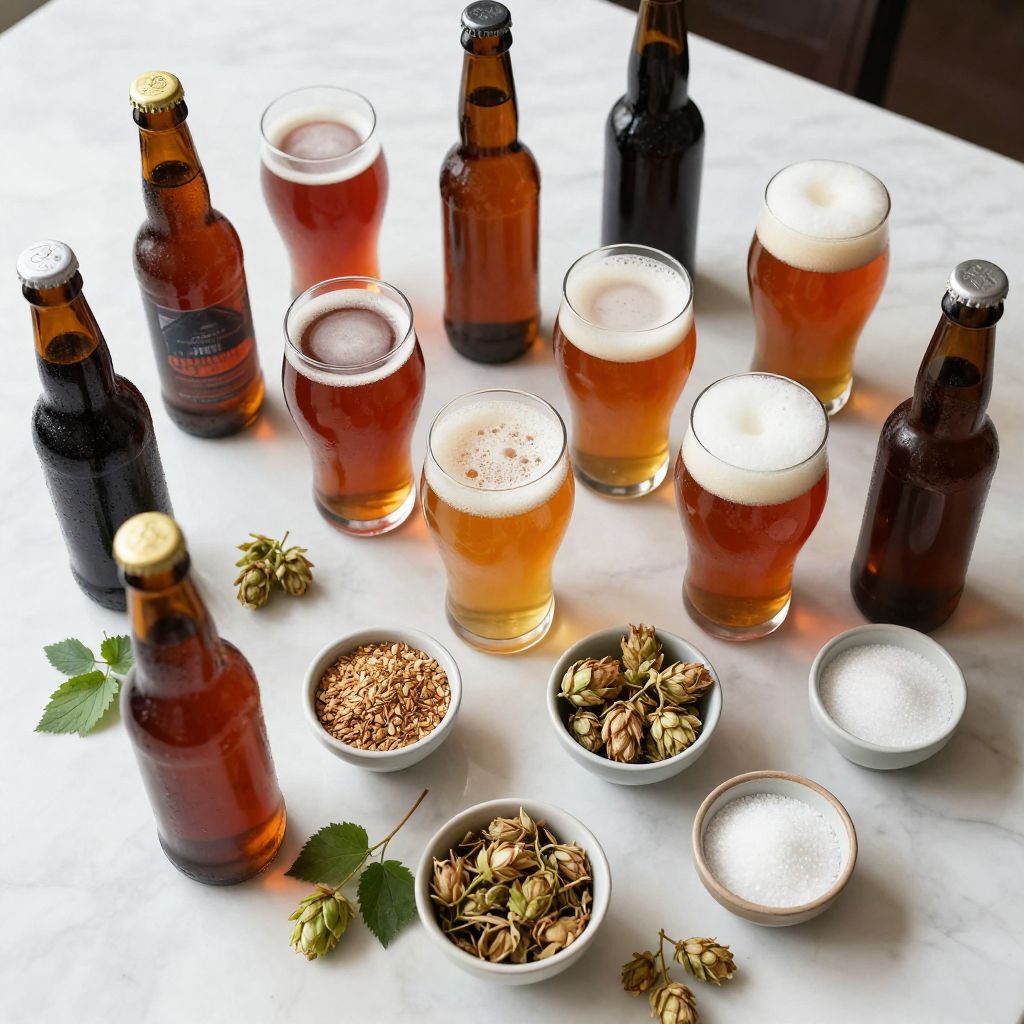
There’s nothing quite like the satisfying aroma of hops and malt wafting through your home as you brew your own beer. Using a Home Brewing Recipe Kit allows you to dive into the exciting world of craft brewing, bringing the joy of a local brewery right to your kitchen. With easy-to-follow steps and the right ingredients, you’ll create a unique brew that’s perfect for sharing (or keeping all to yourself). Let’s get brewing!
Why You’ll Love This Recipe
This recipe is a fantastic way to explore brewing without the headache of sourcing individual ingredients. You’ll appreciate the simplicity and flavor of your homemade beer.
- Easy-to-follow instructions make brewing accessible.
- Customizable recipes to suit your taste preferences.
- Perfect for beginners and seasoned brewers alike.
- Creates a unique beer that friends and family will rave about.
My Experience Making This Recipe
The first time I brewed with a kit, I was amazed at how straightforward the process was. Watching the ingredients transform into something magical was both thrilling and rewarding.
My friends were impressed with the final product, and it sparked lively conversations about different brewing techniques. It felt like I had unlocked a new hobby that blended science and creativity.
Recipe Overview
- Recipe Name: Home Brewing Recipe Kit
- Servings: Varies (typically 5 gallons)
- Prep Time: 30 minutes
- Cook Time: 1 hour
- Total Time: 2-4 weeks (waiting for fermentation)
- Course: Beverage
- Cuisine: American
- Calories per Serving: Varies by recipe
Equipment You Will Need
- Large pot (at least 5 gallons)
- Fermentation vessel with airlock
- Sanitizing solution
- Hydrometer
- Bottling bucket
- Bottles and caps
- Spoon for stirring
- Thermometer
Ingredients for Home Brewing Recipe Kit
- Malt extract (liquid or dry) – the base for your beer.
- Hops – for bitterness and aroma.
- Yeast – the magic ingredient for fermentation.
- Priming sugar – for carbonation in the bottles.
- Water – use clean, filtered water for the best flavor.
Ingredient Notes and Substitutions
- Malt extract: Provides the sugars needed for fermentation. You can substitute with all-grain if you prefer a more hands-on approach.
- Hops: Adds bitterness and aroma. Experiment with different hop varieties to customize your flavor profile.
- Yeast: Essential for fermentation. Different yeast strains can affect flavor, so choose one that matches your desired beer style.
- Priming sugar: Helps carbonate your beer. Corn sugar or table sugar work well as substitutes.
How to Make Home Brewing Recipe Kit
Step 1: Sanitize Everything
Start by sanitizing all your equipment. This prevents unwanted bacteria from ruining your brew.
Step 2: Boil Water
Fill your large pot with water and bring it to a boil. This is critical, as boiling helps to extract flavors from the malt.
Step 3: Add Malt Extract
Once boiling, remove the pot from heat and stir in the malt extract. This creates a sweet liquid called wort, which is the foundation of your beer.
Step 4: Boil the Wort
Return the pot to the heat and boil for 60 minutes. Add hops at different stages for bitterness and aroma as indicated in your kit’s recipe.
Step 5: Cool the Wort
After boiling, cool the wort as quickly as possible. This helps prevent contamination and prepares it for yeast addition.
Step 6: Transfer to Fermentation Vessel
Pour the cooled wort into the fermentation vessel and top it off with more water to reach the desired volume. This ensures proper fermentation.
Step 7: Add Yeast
Sprinkle the yeast over the wort and seal the fermentation vessel with an airlock. This begins the fermentation process, turning sugars into alcohol.
Step 8: Bottling
After fermentation, transfer your beer to the bottling bucket, add priming sugar, and fill your sanitized bottles. Cap them securely and let them carbonate.
Pro Tip: Always keep everything sanitized to avoid off-flavors in your beer.
Tips for the Best Home Brewing Recipe Kit
- Use a thermometer to monitor temperatures accurately during the brewing process.
- Keep a brewing journal to track your processes and results for future brews.
- Experiment with different hop varieties to find your favorite flavors.
- Be patient during fermentation; rushing can lead to poor results.
- Consider using a secondary fermentation vessel for clearer beer.
Common Mistakes to Avoid
- Not sanitizing equipment: This leads to contamination and off-flavors.
- Skipping the cooling step: Hot wort can kill yeast, preventing fermentation.
- Using tap water: Chlorine can affect the taste; always use filtered water.
- Over-carbonating: Adding too much priming sugar can cause bottle bombs.
Serving Suggestions
Pair your freshly brewed beer with snacks for the ultimate experience.
- Grilled sausages or burgers
- Cheese platters featuring sharp cheddar or blue cheese
- Spicy wings with your favorite sauce
- Homemade pretzels or chips
Variations to Try
- Add fruit during fermentation for a refreshing twist.
- Use specialty grains for a richer flavor profile.
- Experiment with different yeast strains for varied tastes.
- Try a dry hop addition for more aromatic beers.
Dietary Adaptations
- Gluten-free: Look for gluten-free malt alternatives for a safe brew.
- Dairy-free: This recipe is inherently dairy-free; no adjustments needed.
- Vegan: All ingredients are vegan-friendly; no changes needed.
- Low-carb/keto: Use low-carb malt alternatives.
Storage and Reheating
Refrigerator
Store your bottled beer in a cool, dark place. This helps maintain flavor and carbonation.
- Keep bottles upright to avoid sediment.
- Consume within 6 months for best flavor.
Freezer
Freezing is not recommended for beer; it can alter flavor and carbonation.
- Always store in a refrigerator instead.
Reheating
Beer is best enjoyed cold, so no reheating is necessary. Just chill in the fridge before serving.
Nutrition Information
| Nutrient | Amount |
|---|---|
| Calories | 150 |
| Total Fat | 0g |
| Saturated Fat | 0g |
| Carbohydrates | 12g |
| Fiber | 0g |
| Sugar | 0g |
| Protein | 1g |
| Sodium | 10mg |
| Cholesterol | 0mg |
This information is an estimate and can vary based on specific ingredients used.
Frequently Asked Questions
Can I substitute the malt extract with all-grain ingredients?
Yes, but it requires additional equipment and steps, like mashing.
How long should I let the beer ferment?
Typically, fermentation takes about 1 to 2 weeks, but always check the specific recipe.
Can I brew beer in a smaller batch?
Absolutely! Just scale down the ingredients accordingly.
What if my beer doesn’t carbonate?
Check that you added enough priming sugar and that the bottles are sealed tightly.
Is it safe to drink home brewed beer?
Yes, as long as you follow proper sanitation practices, your beer will be safe to enjoy.
Final Thoughts
Brewing your own beer is a rewarding experience that brings people together. Each batch is a new adventure, so don’t hesitate to experiment and find your signature brew.
If you’re eager to explore more, check out these fantastic recipes: homemade wine recipe and best mead recipe.
Home Brewing Recipe Kit
Ingredients
Equipment
Method
- Sanitize all equipment to prevent bacteria.
- Fill the large pot with water and bring it to a boil.
- Once boiling, remove the pot from heat and stir in malt extract.
- Return the pot to heat and boil for 60 minutes, adding hops at different stages.
- Cool the wort as quickly as possible to avoid contamination.
- Pour the cooled wort into the fermentation vessel and top off with more water.
- Sprinkle yeast over the wort and seal with an airlock.
- After fermentation, transfer beer to the bottling bucket, add priming sugar, and fill sanitized bottles.
- Cap the bottles securely and let them carbonate.