
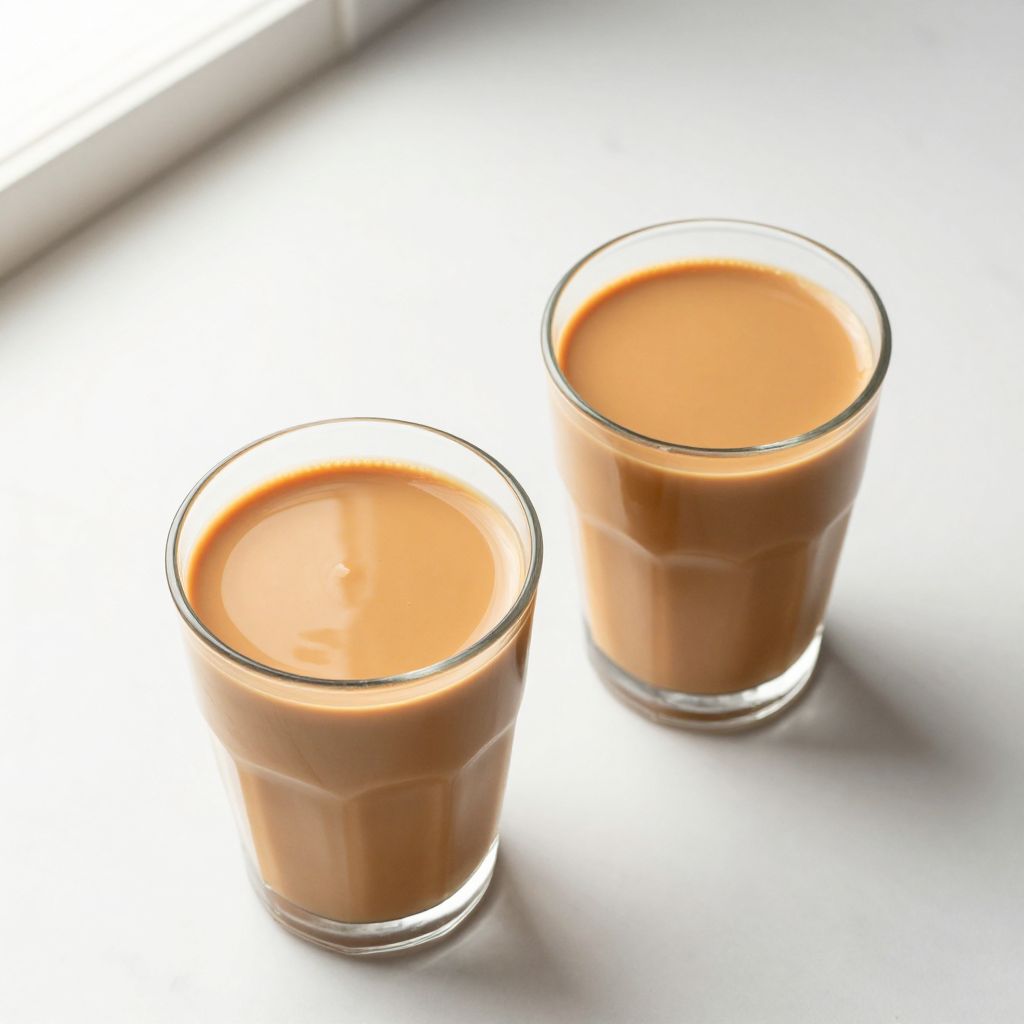
The first sip of HK milk tea hits different—that silky, caramel-colored brew with a velvety crema on top that tastes like comfort wrapped in a cup. This iconic Hong Kong drink has traveled far beyond street stalls in Mong Kok, winning hearts in kitchens worldwide.
What makes this recipe special is how it balances strong brewed tea with evaporated milk and condensed milk to create layers of flavor that feel luxurious yet approachable. You’ll learn the proper straining technique that gives HK milk tea its signature smooth texture and the exact proportions that nail that perfect sweetness and richness every time.
Why You’ll Love This Recipe
This recipe delivers an authentic Hong Kong teahouse experience at home without needing specialty equipment or hard-to-find ingredients.
- Smooth, velvety texture from the traditional straining method
- Perfectly balanced sweetness that doesn’t overwhelm
- Ready in under 15 minutes from start to finish
- Impressive enough to serve guests but simple enough for everyday cravings
- Works hot or iced depending on the season
My Experience Making This Recipe
I first made HK milk tea after a friend returned from Hong Kong raving about the creamy, almost buttery quality of the tea at her favorite dai pai dong. I was skeptical that I could replicate it at home, thinking it required some secret ingredient or professional technique I’d never access.
The moment I brewed my first pot and strained it properly, I understood the magic—it wasn’t about fancy equipment but about respecting the tea and the method. The kitchen filled with that warm, malty aroma, and when I poured it into a glass with the evaporated and condensed milk, the layers appeared like a work of art.
My roommate took one sip and immediately asked me to make it every weekend, which tells you everything you need to know about how this tastes fresh and intentional, not like some boxed instant version.
Recipe Overview
- Recipe Name: Hong Kong Milk Tea
- Servings: 2 servings
- Prep Time: 5 minutes
- Cook Time: 8 minutes
- Total Time: 13 minutes
- Course: Beverage
- Cuisine: Hong Kong
- Calories per Serving: 180
Equipment You Will Need
- Kettle or pot for boiling water
- Teapot or heat-safe pitcher
- Strainer or fine mesh sieve
- Cheesecloth or cotton cloth (for optional double-straining)
- Measuring spoons and cups
- Spoon for stirring
- Two serving glasses or mugs
Ingredients for HK Milk Tea
- Black tea leaves: 3 tablespoons (loose leaf, not bagged)
- Water: 1.5 cups, freshly boiled
- Evaporated milk: 1/4 cup
- Sweetened condensed milk: 2 tablespoons
- Salt: 1 tiny pinch
Ingredient Notes and Substitutions
- Black tea leaves: Strong Ceylon, Assam, or a blend of both gives HK milk tea its characteristic depth and slight astringency that pairs perfectly with milk. If you only have tea bags, use four bags, but loose leaf produces a cleaner, smoother cup because the leaves unfurl more fully and don’t release excess tannins.
- Evaporated milk: This unsweetened canned milk creates the signature creamy texture and caramel notes that condensed milk alone can’t achieve. Heavy cream can substitute at half the amount, though the drink will taste richer and less authentic to the Hong Kong style.
- Sweetened condensed milk: This sweetens the drink while adding body and a subtle vanilla undertone that defines HK milk tea. Regular milk mixed with 1 tablespoon of sugar won’t deliver the same luxurious mouthfeel, though it works in a pinch.
- Salt: A tiny pinch balances the sweetness and heightens the tea’s natural flavors, a trick borrowed from Hong Kong teahouses. Omit it if you prefer a sweeter drink, though you’ll miss the complexity.
How to Make HK Milk Tea
Step 1: Boil Fresh Water
Bring 1.5 cups of fresh water to a rolling boil in your kettle or pot. Using fresh, filtered water prevents stale or chlorinated flavors from overpowering the delicate notes in your tea.
Step 2: Warm the Teapot
Pour a splash of the hot water into your empty teapot or pitcher and swirl it around for 10 seconds, then discard it. This warming step ensures your tea steeps at the right temperature and doesn’t cool too quickly when you add the tea leaves.
Step 3: Add the Tea Leaves
Add 3 tablespoons of loose black tea leaves to the warmed teapot. The generous amount of tea is intentional—HK milk tea needs to be bold enough to shine even after the milk dilutes it.
Step 4: Pour the Hot Water
Slowly pour the freshly boiled water over the tea leaves and cover the teapot immediately. This preserves heat and allows the leaves to fully bloom and release their deep, malty flavors.
Step 5: Steep for 5 to 6 Minutes
Let the tea steep for exactly 5 to 6 minutes without lifting the lid. Steeping any longer extracts excess bitterness, while steeping too briefly leaves the tea tasting weak and watery.
Step 6: Prepare the Straining Setup
Place your fine mesh strainer over a clean pitcher or cup and optionally line it with a layer of cheesecloth for extra smoothness. This setup catches loose leaves and ensures your final tea has the signature velvety texture that defines authentic HK milk tea.
Step 7: Strain the Tea Carefully
Slowly pour the steeped tea through the strainer into the pitcher, allowing gravity to pull the liquid through without rushing. Straining slowly prevents fine tea particles from passing through and clouding your drink.
Step 8: Pour into Serving Glasses
Divide the strained tea equally between two glasses, filling each about three-quarters full. The remaining space accommodates the milk without causing overflow.
Step 9: Add the Evaporated Milk
Pour 2 tablespoons of evaporated milk into each glass, pouring slowly to create those signature layers and help the milk blend smoothly into the hot tea. The evaporated milk adds body and a subtle caramel sweetness.
Step 10: Add the Condensed Milk
Add 1 tablespoon of sweetened condensed milk to each glass by pouring it slowly down the side of a spoon so it sinks to the bottom, creating depth of flavor. Let the drink sit for 20 seconds without stirring so you can see and taste those distinct milk layers before swirling everything together.
Step 11: Stir and Taste
Stir gently to combine all the layers, creating a uniform caramel color throughout. Add the pinch of salt if desired and give it one more quick stir to integrate everything smoothly.
Pro Tip: The key to authentic HK milk tea is using strong black tea that can stand up to milk without becoming bland, and straining through cloth or a fine mesh strainer to eliminate any grittiness that would detract from that silky mouthfeel.
Tips for the Best HK Milk Tea
- Use loose leaf tea instead of bags—the leaves expand fully and release flavors more evenly without oversteeping.
- Measure your water temperature with a kettle thermometer if possible; boiling water at 200-212 degrees Fahrenheit extracts the full complexity of the tea leaves.
- Never skip the pinch of salt—it sounds odd but it genuinely brightens the flavors and prevents the drink from tasting one-dimensional and overly sweet.
- Serve the tea immediately after combining with milk while it’s still hot enough to bring out the aromatic qualities; letting it sit makes it taste flat.
- If making this for a crowd, prepare the strained tea in a larger pot and let guests add their own milk ratios so everyone gets their preferred level of creaminess.
Common Mistakes to Avoid
- Using water that’s cooled below boiling temperature before adding tea, which produces weak tea that tastes diluted even before the milk goes in.
- Steeping the tea for longer than 6 minutes, which draws out harsh tannins and creates an astringent, bitter finish.
- Using regular milk instead of evaporated and condensed milk—this creates a watery, thin drink lacking the signature richness and body.
- Pouring milk into cold tea instead of hot tea, which prevents proper blending and creates an unappetizing separated appearance.
- Skipping the straining step or using a coarse strainer, leaving fine tea particles that create a gritty texture instead of the smooth, velvety mouthfeel.
Serving Suggestions
HK milk tea shines as a breakfast companion or afternoon pick-me-up that pairs beautifully with light snacks or pastries. Serve it hot in a glass so you can appreciate its gorgeous caramel color, or pour it over ice during warmer months.
- With egg tarts or custard-filled pastries from a local bakery
- Alongside dim sum like har gow or siu mai
- With buttered toast and jam for a simple breakfast
- Over ice with a straw as a refreshing iced version on hot days
- After dinner as a gentle, milk-based alternative to black coffee
Variations to Try
- Iced HK Milk Tea: Pour the finished hot tea over a glass filled with ice cubes, and serve immediately with a straw for a refreshing summer version that maintains all the creamy, smooth qualities of the hot drink.
- Extra Sweet Version: Add an additional tablespoon of condensed milk for those who prefer their tea noticeably sweeter and more dessert-like in character.
- Stronger Tea Version: Increase the tea leaves to 4 tablespoons and steep for 6 minutes if you love bold, malty flavors that can handle the dilution from milk without becoming muted.
- Brown Sugar HK Milk Tea: Replace half the condensed milk with 1 tablespoon of brown sugar syrup for a deeper, molasses-forward sweetness that adds complexity.
- Three-Flavor Blend: Mix Ceylon, Assam, and Oolong black teas in equal parts for a multi-layered flavor profile that keeps each sip interesting.
Dietary Adaptations
- Gluten-Free: This recipe is naturally gluten-free as written since tea and milk contain no gluten, though always verify that your specific tea brand hasn’t been processed on shared equipment.
- Dairy-Free: Replace evaporated milk with coconut milk and condensed milk with coconut cream sweetened with 1 tablespoon of agave or maple syrup for a creamy, dairy-free version.
- Vegan: Use full-fat oat milk or cashew milk in place of evaporated milk and coconut cream or store-bought vegan condensed milk alternative to keep the drink vegan-friendly.
- Low-Carb/Keto: Omit the condensed milk entirely and use only unsweetened evaporated milk with a small splash of sugar-free sweetener if you desire, resulting in a lower-calorie drink with minimal carbohydrates.
Storage and Reheating
Refrigerator
Store any leftover strained tea in an airtight container for up to 3 days, keeping the evaporated and condensed milk separate until you’re ready to serve.
- Store the strained tea on its own
- Keep the milks in separate containers
- Combine when reheating or serving cold
Freezer
You can freeze the strained tea in ice cube trays for up to 1 month, though the milk components don’t freeze as successfully and should be added fresh.
- Freeze tea cubes in ice trays
- Transfer frozen cubes to freezer bags once solid
- Thaw and warm gently before adding fresh milk
Reheating
Gently warm the stored tea in a small pot over medium-low heat until it steams, about 3 to 5 minutes, then add fresh evaporated and condensed milk as you would for a freshly brewed batch.
- Heat gently to preserve the tea’s delicate flavors
- Add fresh milk for the best taste and texture
- Avoid boiling, which can make the drink taste harsh
Nutrition Information
| Nutrient | Amount |
|---|---|
| Calories | 180 |
| Total Fat | 8g |
| Saturated Fat | 5g |
| Carbohydrates | 22g |
| Fiber | 0g |
| Sugar | 21g |
| Protein | 4g |
| Sodium | 65mg |
| Cholesterol | 18mg |
These values are approximate and based on standard ingredient measurements. Individual nutrition may vary slightly depending on your specific brands and portion sizes.
Frequently Asked Questions
Can I use tea bags instead of loose leaf tea?
You can use four quality tea bags if loose leaf isn’t available, though the tea won’t taste quite as smooth because bags trap tea particles that can cloud the drink. Loose leaf black tea produces a cleaner, more authentic HK milk tea experience.
What’s the difference between evaporated milk and condensed milk?
Evaporated milk is unsweetened and concentrated, adding body and caramel notes, while condensed milk is sweetened with added sugar and provides the primary sweetness for the drink. Using both together creates the signature balanced sweetness and creamy texture that defines HK milk tea.
Can I make this recipe ahead of time?
You can brew the tea up to 3 days ahead and store it in the refrigerator, but you must add the milk fresh when serving to maintain the creamy texture and proper flavor balance. Storing the milk in the finished tea causes the drink to separate and taste stale.
Why does my HK milk tea taste bitter?
Bitterness usually comes from oversteeping the tea leaves or using water that’s cooled below boiling temperature before brewing. Stick to exactly 5 to 6 minutes of steeping time with freshly boiled water, and your tea will taste smooth and balanced instead of harsh.
How do I get the smooth, velvety texture?
The key is straining the tea through a fine mesh strainer or cheesecloth immediately after steeping to remove all tea particles that would create grittiness. This straining step separates authentic HK milk tea from hastily made versions.
Is this recipe suitable for sensitive stomachs?
The milk helps buffer the acidity of strong brewed tea, making HK milk tea gentler on sensitive stomachs than black tea alone, though those very sensitive to caffeine should consume it early in the day. The pinch of salt also aids digestion.
Final Thoughts
Making HK milk tea at home transforms a beloved Hong Kong beverage into something personal and achievable, no teahouse required. Once you nail the straining technique and the milk ratio, you’ll find yourself brewing this drink weekly because it tastes that good.
Invite friends over, serve it in glasses so they can see that gorgeous caramel color, and watch their faces light up at that first creamy, silky sip. This recipe deserves a permanent spot in your rotation.
Explore More Delicious Tea Recipes
Now that you’ve mastered the art of HK milk tea, consider exploring other exciting milk tea variations that showcase different flavor profiles and brewing techniques from across Asia.
Try the bold, spiced complexity of tiger milk tea recipe, which adds caramelized sugar for depth, or discover the floral elegance of Earl Grey milk tea recipe, which pairs bergamot’s citrus notes with creamy milk for a sophisticated afternoon treat.
Hong Kong Milk Tea
Ingredients
Equipment
Method
- Bring 1.5 cups of fresh water to a rolling boil in a kettle or pot.
- Pour a splash of hot water into the teapot or pitcher, swirl for 10 seconds, then discard.
- Add 3 tablespoons of loose black tea leaves to the warmed teapot.
- Slowly pour the freshly boiled water over the tea leaves and immediately cover the teapot.
- Steep the tea for 5 to 6 minutes without lifting the lid.
- Line a fine mesh strainer with cheesecloth and place it over a clean pitcher or cup.
- Slowly pour the steeped tea through the strainer into the pitcher.
- Divide the strained tea equally between two glasses, filling each about three-quarters full.
- Pour 2 tablespoons of evaporated milk into each glass, pouring slowly to create layers.
- Add 1 tablespoon of sweetened condensed milk to each glass by pouring it over the back of a spoon and let sit for 20 seconds.
- Stir gently to combine all layers, add a pinch of salt if desired, and serve immediately.