
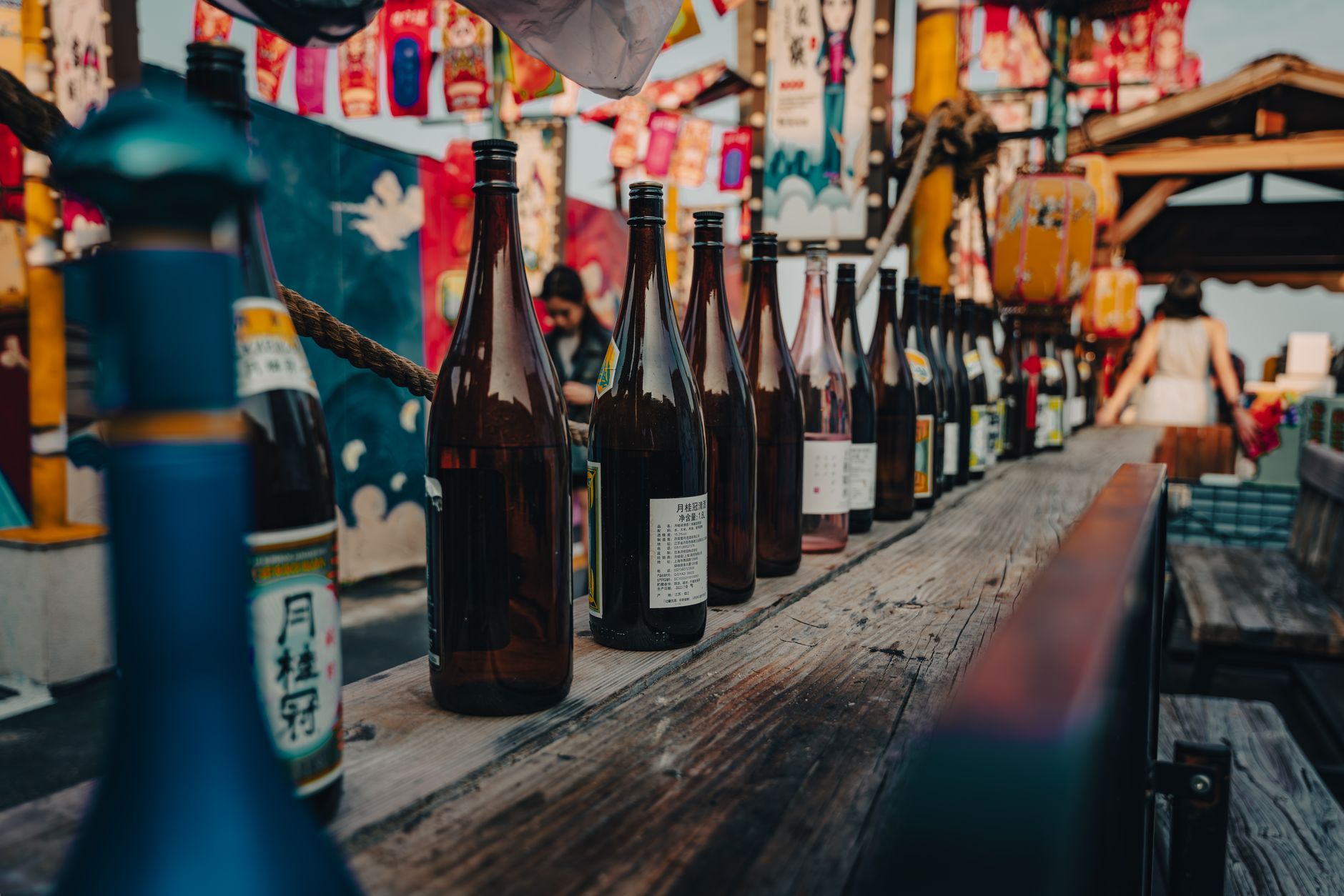
Sake, a traditional Japanese rice wine, has gained popularity around the world due to its unique flavor profile and versatility in cooking. As with many beverages, it’s important for consumers to understand how to store it properly and how long it lasts. This guide will answer the question, “Does sake expire?” as well as provide tips for storage, usage, and identification of signs of spoilage.
Many people wonder if they can still enjoy an opened bottle of sake after months or even years of sitting in their cupboard. Understanding the shelf life of sake ensures that you can enjoy it at its best quality while avoiding any unpleasant surprises.
Does Sake Expire?
Yes, sake can expire, but it doesn’t go bad in the same way that perishable foods do. While sake can remain drinkable for a long time, its quality diminishes over time. With proper storage, opened sake can last anywhere from a few days to several months, though its flavor may change. Unopened sake, on the other hand, has a longer shelf life but usually has a best-by date that consumers should heed.
Understanding Sake
To understand how to store and enjoy sake, it helps to have a basic understanding of what sake is and how it is made. Sake is brewed from rice, water, yeast, and koji mold, which converts starches in rice into sugars during the fermentation process. The following sections will explore the different types of sake, their storage conditions, and identification of expiration.
Types of Sake
Sake can be divided into several classifications, each with unique characteristics. Here are the most common types:
- Junmai: Pure rice sake with no added alcohol. It has a rich flavor profile.
- Honjozo: Sake with a small amount of distilled alcohol added, resulting in a lighter finish.
- Ginjo: This is made with rice that has been polished to a minimum of 60% of its size, producing a fruity and fragrant sake.
- Daiginjo: A premium sake made with rice polished to 50% or less, offering exceptional flavors and aromas.
- Nigori: Unfiltered sake that has a milky appearance, usually sweeter and thicker.
How to Store Sake Properly
Proper storage is crucial for maintaining the quality of sake. Here are some key storage tips:
- Keep it seal: Unopened sake should remain sealed until you are ready to consume it. Once opened, be sure to reseal it tightly.
- Cool and dark environment: Store unopened bottles in a cool, dark place, ideally between 50°F and 68°F (10°C to 20°C).
- Avoid sunlight: Direct sunlight can adversely affect sake’s flavor. Avoid placing bottles near windows or in bright light.
- Refrigeration: Once opened, sake is best stored in the refrigerator to slow down oxidation and maintain freshness.
What Happens When Sake Expires?
Although sake may not “expire” in the way that milk or meat could, it does undergo changes that affect its taste and aroma over time. Here are common indicators that your sake may no longer be at its peak:
- Off smells: Fresh sake will have a pleasant aroma. If it develops a sharp or vinegar-like smell, it has likely spoiled.
- Color changes: The color of sake can shift from clear to yellowish or brownish, particularly in unfiltered varieties. Such changes are a sign of aging.
- Taste test: Sake losing its flavor may taste flat, overly acidic, or off. If you are hesitant to sip, it’s best to discard.
Signs of Spoilage
Knowing signs of spoilage will help you decide whether your sake is safe to sip. Key indicators include:
- A sour or unpleasant odor, indicating fermentation is no longer desirable.
- A cloudy appearance in filtered sake, which may signal spoilage.
- A bitter or off taste when sampled, suggesting it is no longer good to drink.
How Long Does Sake Last?
Unopened Sake
Unopened sake can last on the shelf for up to a year or more depending on the type and storage conditions. Premium sake tends to degrade more quickly, while lower-grade options may maintain quality longer.
Opened Sake
Once opened, the lifespan of sake significantly decreases, with the following estimates:
- Junmai: 4-6 weeks.
- Honjozo: 4-6 weeks.
- Ginjo and Daiginjo: 1-2 weeks.
- Nigori: 1-2 weeks.
While some can last beyond these estimates if stored properly, the flavor may change over time.
Tips to Extend Sake’s Shelf Life
To get the most enjoyment out of your sake, consider these helpful storage tips:
- Control temperature: Serve at the appropriate temperature based on the type of sake. For example, Ginjo and Daiginjo are best served chilled, while Junmai can be served warm.
- Limit exposure to air: Once opened, try to consume sake within a few days, or use a vacuum sealer to remove air if you won’t finish it quickly.
- Use smaller bottles: If you regularly find leftover sake, consider purchasing smaller bottles to minimize waste.
How to Use Sake in Cooking
Beyond drinking, sake enhances various dishes through cooking, providing depth and flavor. Here are some ways to utilize sake:
- Marinades: Use sake as a base for marinades to tenderize meats and add flavor.
- Soups and stews: Sake can add a subtle umami note to broths and stews, especially in Japanese cuisine.
- Rice: Cooking rice with sake yields a rich flavor and complements sushi-making.
- Steaming: Adding sake to steaming liquids infuses dishes like fish or vegetables with flavor.
Common Questions About Sake
Can I drink expired sake?
While it may not harm you to sip sake that has passed its best-by date, the flavor is likely compromised. It’s best to evaluate its aroma and taste to determine if it’s still enjoyable.
What is the best way to serve sake?
The ideal way to serve sake depends on its type. Junmai is often enjoyed warm, while Ginjo and Daiginjo are best served cold. Experiment with serving styles to discover your preference.
Conclusion
In summary, sake does have a shelf life, but its longevity depends on proper storage and whether the bottle is unopened or opened. Recognizing spoilage signs and understanding storage tips allows you to enjoy excellent quality sake. Whether using it for cooking or sipping, being informed can enhance your sake experience.
Explore related resources such as a sake recipe or an amazake recipe for more ideas on how to use this unique ingredient in your cooking adventures.