
There’s something almost magical about the way ginger and brandy come together in a glass, warming your chest and sharpening your senses all at once. Ginger brandy is a homemade spirit that transforms simple ingredients into something you’ll reach for on cold nights or offer proudly to guests who appreciate craft liqueurs.
This recipe delivers a smooth, spiced digestif that tastes like you spent months perfecting it, even though it requires minimal hands-on work. The beauty lies in the balance: enough ginger heat to make you feel alive, enough brandy smoothness to keep you coming back for another sip.
Why You’ll Love This Recipe
Making your own ginger brandy is a game you can actually win, and the payoff extends far beyond a single drink. You’ll have a versatile spirit that works neat, in cocktails, or drizzled over desserts, all while impressing people who thought liqueur-making was beyond their reach.
- Requires minimal active work and no special equipment beyond what’s in your kitchen.
- Produces a smooth, balanced spirit that rivals store-bought versions at a fraction of the cost.
- Stores beautifully for months, making it perfect for gift-giving or sipping whenever the mood strikes.
- Highly customizable to your heat and sweetness preferences with simple tweaks.
- Becomes more refined and mellow as it sits, so it rewards patience without demanding it.
My Experience Making This Recipe
I first made ginger brandy on a whim after a particularly cold December evening, thinking I’d create something to warm up with. What surprised me was how little effort went into the infusion itself; mostly I just watched the brandy slowly transform into liquid gold over a few weeks.
The kitchen smelled incredible the entire time. Every time I walked past the jar, I’d catch that sharp ginger aroma mixed with the deeper brandy notes, and I genuinely looked forward to tasting the final product. When I finally strained and bottled it, the color shift from clear to honeyed amber felt like a small victory.
I served it to friends after dinner one evening, and the reactions ranged from “this is smoother than anything I’ve bought” to “I didn’t know you could make this at home.” One guest asked for the recipe immediately, which pretty much sealed it as a keeper in my regular rotation.
Recipe Overview
- Recipe Name: Ginger Brandy
- Servings: Makes about 750 ml (25 oz)
- Prep Time: 20 minutes
- Infusion Time: 3 to 4 weeks
- Total Time: 3 to 4 weeks plus 20 minutes
- Course: Digestif or After-Dinner Drink
- Cuisine: Contemporary Homemade Liqueur
- Calories per Serving (1 oz): 65
Equipment You Will Need
- 1-liter glass jar with a tight-fitting lid
- Vegetable peeler or microplane
- Cutting board and sharp knife
- Measuring spoons and cups
- Fine-mesh strainer or cheesecloth
- Funnel (optional but helpful)
- Glass bottles for storing the finished brandy
- Labels (optional, for gifting)
Ingredients for Ginger Brandy
- 750 ml brandy (about 25 oz, any decent quality)
- 4 ounces fresh ginger root, unpeeled and sliced thin
- 1 cup simple syrup (equal parts sugar and water, cooled)
- 1 vanilla bean, split lengthwise (optional but recommended)
- 4 to 5 whole cloves
- 1 small cinnamon stick, broken into pieces
- 1/4 teaspoon black peppercorns
- Zest of 1 lemon, in wide strips (no white pith)
Ingredient Notes and Substitutions
- Fresh ginger root adds spicy warmth and pungency that dried ginger cannot match. If you only have dried ginger, use about 1.5 ounces and reduce the infusion time to 2 weeks, though the flavor will taste sharper and less nuanced.
- The simple syrup balances the heat and alcohol without making the brandy cloying. You can skip it entirely for a drier spirit, or increase it to 1.5 cups if you prefer something sweeter.
- Vanilla bean contributes smoothness and subtle floral notes that round out the ginger’s bite. Vanilla extract (1 teaspoon) works if whole beans aren’t available, but add it only after straining to preserve its delicate aroma.
- Cloves, cinnamon, and peppercorns provide warmth and depth. You can omit any of these or add a single star anise pod instead, though the result will taste slightly different.
- Lemon zest brightens the flavor and cuts through richness without adding juice acidity. Lime or orange zest creates an entirely different profile that works equally well.
How to Make Ginger Brandy
Step 1: Prepare the Ginger
Rinse the fresh ginger under cold water and pat it dry completely. Slice it into thin coins or half-moons using a sharp knife or vegetable peeler, leaving the skin on since it contains flavor compounds you want to extract.
Step 2: Toast the Spices (Optional)
Heat a small skillet over medium heat and add the cloves, cinnamon stick pieces, and peppercorns for 1 to 2 minutes, stirring occasionally. This releases their essential oils and deepens their flavor, creating a more complex final product, though you can skip this step if you prefer.
Step 3: Layer Ingredients in the Jar
Add the sliced ginger, toasted spices, vanilla bean, and lemon zest to your clean glass jar. Layering them rather than dumping everything in at once helps distribute flavors evenly throughout the brandy as it infuses.
Step 4: Pour the Brandy
Carefully pour the entire 750 ml bottle of brandy over the ingredients in the jar. The liquid should cover everything completely; if it doesn’t, add a splash more brandy to ensure nothing sits above the liquid surface where it could dry out or spoil.
Step 5: Seal and Store
Screw the lid on tightly and find a cool, dark place to store the jar, away from direct sunlight and temperature fluctuations. A kitchen cabinet, pantry shelf, or dark closet works perfectly; avoid windowsills or warm spots near appliances.
Step 6: Monitor and Shake
Give the jar a gentle shake or turn it upside down once every few days for the first two weeks. This keeps the spices and ginger evenly distributed and helps extract flavor more efficiently without requiring you to open the jar constantly.
Step 7: Taste and Decide on Sweetness
After 3 to 4 weeks, open the jar and pour out a small taste. If the ginger flavor is bold enough for your preference, prepare to strain it; if you want more intensity, let it infuse for another week or two.
Step 8: Make the Simple Syrup (If Not Done Already)
Combine equal parts sugar and water in a small saucepan and heat until the sugar dissolves completely. Let the syrup cool to room temperature before adding it to your infusion, or the heat could alter the delicate flavors you’ve built.
Step 9: Strain the Infusion
Place a fine-mesh strainer lined with cheesecloth over a large bowl and slowly pour the infusion through it. Press gently on the solids to extract as much liquid as possible, but don’t squeeze hard or you’ll force through unwanted particles that cloud the final spirit.
Step 10: Combine and Bottle
Pour the strained brandy into a clean glass container and stir in the cooled simple syrup until well blended. Use a funnel to transfer the finished ginger brandy into attractive glass bottles with tight-fitting caps or corks, leaving about 1/2 inch of headspace.
Pro Tip: The infusion improves noticeably after bottling, as the flavors continue to marry and mellow; give your finished ginger brandy at least 1 week in the bottle before opening, and consider it at its absolute best after 4 to 6 weeks of total aging.
Tips for the Best Ginger Brandy
- Start with quality brandy that you’d actually drink neat, since the spirit is the foundation of everything. You don’t need premium cognac, but avoid bottom-shelf options that taste thin or harsh.
- Slice the ginger thin so it infuses faster and more evenly, rather than using large chunks that take longer to surrender their flavor compounds.
- Keep your jar in a consistently cool location away from light, which can degrade both the color and delicate flavor notes over time.
- Taste your infusion around week 2 and week 3 to pinpoint when it reaches your desired ginger intensity, since fresh ginger potency varies by season and variety.
- Don’t skip the straining step by leaving it overnight; a clean spirit looks more professional and tastes smoother without floating sediment.
- Label your bottles with the date and ingredients once bottled, especially helpful if you’re making several batches or planning to gift them.
Common Mistakes to Avoid
- Using ground ginger instead of fresh will create a cloudy, dusty infusion that never fully clarifies and tastes flat compared to fresh root.
- Adding warm or hot simple syrup to the finished brandy can alter the delicate balance of flavors and make the spirit taste slightly “cooked.”
- Infusing for too long past the 4-week mark can turn the ginger flavor bitter and harsh, overpowering the smoothness of the brandy.
- Leaving solids floating in the jar without occasional agitation creates uneven flavor extraction and increases the risk of mold growth on exposed surfaces.
- Storing the infusion in clear glass on a sunny shelf will fade the color and degrade the subtle flavor compounds that make the finished spirit special.
Serving Suggestions
Ginger brandy shines brightest when served thoughtfully, whether as a warming digestif or mixed into cocktails that need spiced depth. The key is understanding when to let it stand alone and when to partner it with complementary flavors.
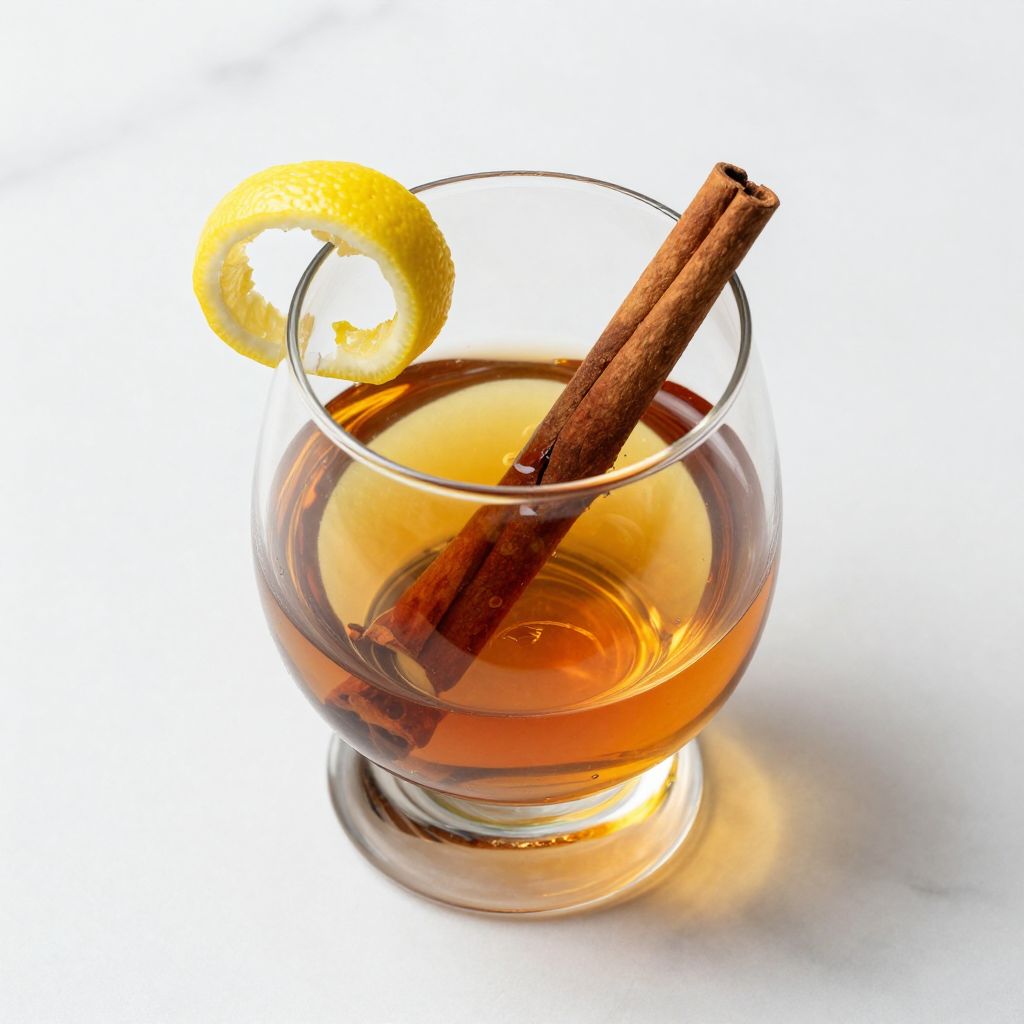
- Serve it neat in a snifter at room temperature after dinner, allowing the ginger warmth and brandy smoothness to unfold slowly.
- Mix it with hot apple cider and a cinnamon stick for a cozy fall or winter warmer that tastes homemade and special.
- Combine it with sparkling wine or prosecco for an elegant aperitif with surprising spiced depth.
- Drizzle it over vanilla ice cream, poached pears, or dark chocolate cake for a sophisticated dessert finish.
- Use it as a base for spiced cocktails by mixing with fresh lemon juice, simple syrup, and club soda for a homemade ginger brandy fizz.
Variations to Try
- Spiced Ginger Brandy: Add a star anise pod and 2 to 3 whole allspice berries alongside the other spices for warmer, almost licorice-like undertones that complement the ginger beautifully.
- Citrus Ginger Brandy: Include strips of orange zest, lime zest, or even grapefruit peel in the infusion to create a brighter, more refreshing spirit that works better in cocktails.
- Honey Ginger Brandy: Replace half the simple syrup with raw honey for a rounder, more luxurious mouthfeel and subtle floral sweetness that honey brings.
- Herbal Ginger Brandy: Add a few sprigs of fresh thyme or rosemary for an unusual savory note that makes the spirit interesting enough to sip contemplatively on its own.
- Spicy Ginger Brandy: Include a single dried chili pepper or a pinch of cayenne pepper alongside the ginger for a warming heat that builds as you sip and lingers pleasantly.
Dietary Adaptations
- Gluten-free: All ingredients in this recipe are naturally gluten-free, but verify that your chosen brandy doesn’t use added thickeners or flavorings containing gluten.
- Dairy-free: This recipe contains no dairy products in any form, making it suitable for anyone avoiding milk, cream, or other animal-derived dairy.
- Vegan: Ginger brandy is entirely plant-based and vegan-friendly, with no animal products used in the infusion or sweetening process.
- Low-carb or keto: The simple syrup adds carbohydrates; replace it with a keto sweetener like erythritol or monk fruit in equal volume, though the final taste and mouthfeel will differ slightly from traditional versions.
Storage and Reheating
Refrigerator
Store finished ginger brandy in tightly sealed glass bottles in the refrigerator for up to 2 years without any quality loss. The cool temperature keeps the spirit fresh and preserves the delicate ginger and spice aromatics longer than room temperature storage.
- Keep bottles upright in a dark corner of the refrigerator away from the door, where temperature fluctuates.
- Always use a clean funnel or pour carefully to avoid splashing or contaminating the bottle.
Freezer
You can freeze ginger brandy in sealed bottles for up to 5 years without concern, since the high alcohol content prevents actual freezing below about 50 degrees Fahrenheit. Freezing doesn’t improve the spirit, but it extends the usable lifespan indefinitely.
- Leave about 1 inch of headspace in the bottle to allow for any minimal expansion.
- Wrap bottles in paper or place them in a box to protect them from freezer odors.
Reheating
Never heat ginger brandy directly in a pot or microwave, as high heat damages the delicate flavors and can cause the alcohol to evaporate unevenly. If you want to serve it warm, use an indirect method like setting the bottle or glass in hot water for a few minutes, or warm apple cider separately and add the brandy just before serving.
- For hot toddy preparations, add the ginger brandy to your mug last, after pouring hot water or cider.
- Serve warm ginger brandy in heat-safe glasses, never in delicate stemware that could crack.
Nutrition Information
| Nutrient | Amount |
|---|---|
| Calories | 65 |
| Total Fat | 0 g |
| Saturated Fat | 0 g |
| Carbohydrates | 2 g |
| Fiber | 0 g |
| Sugar | 2 g |
| Protein | 0 g |
| Sodium | 0 mg |
| Cholesterol | 0 mg |
Nutrition values are approximate and based on 1 fluid ounce servings using standard brandy and simple syrup with no additional modifications. Individual batches will vary slightly depending on the specific brandy brand and exact amount of simple syrup used.
Frequently Asked Questions
Can I use powdered ginger instead of fresh?
Powdered ginger will create a cloudier, dustier infusion that never fully clarifies and tastes slightly bitter or metallic compared to fresh root. If fresh ginger is truly unavailable, use 1.5 ounces of powdered ginger and reduce infusion time to 2 weeks, but expect a noticeably different final product.
How long does the infusion need to sit before I can drink it?
Technically you can taste it after 2 weeks, but 3 to 4 weeks produces noticeably better flavor with more developed depth and balance. The brandy and ginger continue to marry during this time, creating something smoother than it would be at 2 weeks.
Can I make this without the simple syrup?
Yes, you’ll create a dry ginger brandy that tastes sharper and more spirit-forward, perfect if you prefer less sweetness or plan to use it mainly in cocktails. Just skip the syrup addition entirely and proceed directly to bottling after straining.
What should the color look like when finished?
Finished ginger brandy should range from amber to light honey in color, depending on how long you infused and the natural color of your brandy. If it looks muddy, cloudy brown, or very dark, your infusion likely went too long or the ginger was bruised during slicing.
Can I reuse the ginger solids from the first batch?
The ginger loses potency after the first infusion and will produce weak, flat flavor if reused; discard the solids and start fresh with new ginger for each batch. Reusing rarely saves enough money to justify the compromise in quality.
What’s the alcohol content of the finished brandy?
The finished spirit will be slightly lower in alcohol than the original brandy since simple syrup is mostly water; expect approximately 35 to 37% ABV instead of the original 40% ABV. The dilution is minimal and doesn’t affect the shelf life or safety of the spirit.
Final Thoughts
Making ginger brandy at home transforms you from someone who buys liqueurs into someone who crafts them, and that shift in confidence carries over into other kitchen projects. You’re not doing anything complicated; you’re just letting time and good
Ginger Brandy
Ingredients
Equipment
Method
- Rinse the fresh ginger under cold water and pat it dry completely. Slice it into thin coins or half-moons using a sharp knife or vegetable peeler, leaving the skin on.
- Heat a small skillet over medium heat and add the cloves, cinnamon stick pieces, and peppercorns for 1 to 2 minutes, stirring occasionally to release their essential oils.
- Add the sliced ginger, toasted spices, vanilla bean, and lemon zest to your clean glass jar, layering them evenly.
- Carefully pour the entire 750 ml bottle of brandy over the ingredients in the jar, ensuring the liquid covers everything completely.
- Screw the lid on tightly and store the jar in a cool, dark place away from direct sunlight and temperature fluctuations.
- Give the jar a gentle shake or turn it upside down once every few days for the first two weeks to keep spices and ginger evenly distributed.
- After 3 to 4 weeks, open the jar and pour out a small taste to test the ginger flavor intensity.
- If needed, make simple syrup by combining equal parts sugar and water in a small saucepan and heat until sugar dissolves completely. Let cool to room temperature.
- Place a fine-mesh strainer lined with cheesecloth over a large bowl and slowly pour the infusion through it. Press gently on the solids to extract liquid without forcing through unwanted particles.
- Pour the strained brandy into a clean glass container and stir in the cooled simple syrup until well blended. Use a funnel to transfer the finished ginger brandy into attractive glass bottles with tight-fitting caps, leaving about 1/2 inch of headspace.