
There’s nothing quite like the fizzy, spicy kick of homemade ginger beer to brighten up a hot day. This ginger beer recipe is special because it combines fresh, zesty ginger with a bit of fermentation magic, resulting in a refreshing drink that’s both lively and complex in flavor.
With its delightful balance of sweetness and spice, this ginger beer is perfect for sipping on its own or using as a mixer in cocktails. Let’s dive into the ingredients and the steps to create this bubbly masterpiece!
Why You’ll Love This Recipe
This ginger beer is a must-try for several reasons.
- It’s homemade, so you control the ingredients.
- Fermentation creates natural carbonation.
- Adjust the sweetness to your liking.
- Perfect for summer gatherings or cozy evenings.
- Simple process with amazing results.
My Experience Making This Recipe
Making ginger beer at home was an adventure that filled my kitchen with a warm, spicy aroma. I loved watching the fermentation process unfold, knowing I was crafting something delicious from scratch.
When I first tasted it, the burst of flavor was a delightful surprise. Everyone I shared it with was impressed, and it quickly became a favorite at our family get-togethers.
Recipe Overview
- Recipe Name: Ginger Beer
- Servings: 4-6
- Prep Time: 20 minutes
- Cook Time: 5-7 days (fermentation)
- Total Time: 5-7 days + 20 minutes
- Course: Beverage
- Cuisine: American
- Calories per Serving: 60
Equipment You Will Need
- Large mixing bowl
- Funnel
- Glass bottles with airtight lids
- Cheesecloth or fine mesh strainer
- Measuring cups and spoons
Ingredients for Ginger Beer
- 1 cup fresh ginger, grated
- 1 cup sugar (adjust based on sweetness preference)
- 1/4 cup lemon juice (freshly squeezed)
- 1/8 teaspoon active dry yeast
- 4 cups water (filtered or boiled and cooled)
Ingredient Notes and Substitutions
- Fresh ginger: Provides the signature flavor. You can use ground ginger in a pinch, but fresh is best for depth.
- Sugar: Acts as food for the yeast and balances the spice. Honey or agave syrup can be used but may alter the flavor.
- Lemon juice: Adds acidity and brightness. Lime juice works well too.
- Active dry yeast: Responsible for fermentation. You can use champagne yeast for a different flavor profile.
- Water: Use filtered or boiled water for the best taste.
How to Make Ginger Beer
Step 1: Prepare the Ginger
Grate the fresh ginger using a microplane or fine grater. This releases the oils and juices, ensuring a robust ginger flavor.
Step 2: Mix Ingredients
In a large mixing bowl, combine the grated ginger, sugar, and lemon juice. Stir until the sugar is dissolved, creating a flavor-packed base.
Step 3: Add Water
Pour in the water and mix well, ensuring everything is combined. This hydrating step is crucial for the fermentation process.
Step 4: Activate the Yeast
In a separate small bowl, dissolve the yeast in a few tablespoons of warm water. Allow it to sit for about 5 minutes until it becomes frothy.
Step 5: Combine Mixtures
Add the activated yeast to the ginger mixture and stir gently. This introduces the fermentation culture to your sweet ginger brew.
Step 6: Ferment
Cover the bowl with a cheesecloth or clean towel and let it sit in a warm area for 3-5 days. This is where the magic happens, as the yeast consumes the sugar and produces carbonation.
Step 7: Bottle the Ginger Beer
After fermentation, use a funnel to pour the mixture into glass bottles, leaving some space at the top. This space allows for further carbonation, so don’t skimp!
Step 8: Chill and Enjoy
Seal the bottles and refrigerate them for at least 24 hours before enjoying. Chilling not only enhances the flavor but also makes it refreshing and bubbly.
Pro Tip: Always leave some space in the bottles to avoid overflow from excessive carbonation.
Tips for the Best Ginger Beer
- Use fresh ginger for the best flavor and aroma.
- Monitor fermentation time closely; taste it after 3 days for desired sweetness and spice.
- Don’t skip the cooling period; it enhances the fizz and flavor.
- Experiment with additional flavors like mint or lime for a twist.
- Always check the bottles for pressure before opening to avoid spills.
Common Mistakes to Avoid
- Using too much sugar can lead to excessively sweet beer and possible overflow.
- Not fermenting long enough results in flat ginger beer.
- Sealing bottles too tightly can cause them to explode, so be mindful of pressure.
- Using chlorinated water can negatively affect fermentation and taste.
Serving Suggestions
Ginger beer is versatile and pairs well with various dishes and drinks.
- Serve it chilled over ice with a sprig of mint.
- Mix it with dark rum for a classic Dark ‘n’ Stormy.
- Use it as a base for cocktails with citrus and herbs.
- Enjoy it alongside spicy Asian dishes or grilled meats.
Variations to Try
- Add fresh mint leaves during fermentation for a refreshing minty twist.
- Incorporate fruits like pineapple or berries for unique flavors.
- Try using different citrus juices like lime or grapefruit for a zesty kick.
- Experiment with spices such as cinnamon or cloves for warmth.
Dietary Adaptations
- Gluten-free: This recipe is naturally gluten-free.
- Dairy-free: No dairy ingredients are used.
- Vegan: It’s suitable for a vegan diet; no animal products included.
- Low-carb/keto: Use a sugar substitute like erythritol for a lower-carb option.
Storage and Reheating
Refrigerator
Store your ginger beer in the refrigerator to keep it fizzy and fresh.
- Consume within 2 weeks for optimal flavor.
- Check for pressure in bottles before opening each time.
Freezer
Freezing is not recommended as it can affect the carbonation.
- However, you can freeze ginger beer in ice cube trays for use in cocktails.
Reheating
This beverage is meant to be enjoyed cold, so reheating is not applicable.
- Simply chill it before serving for a refreshing drink.
Nutrition Information
| Nutrient | Amount |
|---|---|
| Calories | 60 |
| Total Fat | 0g |
| Saturated Fat | 0g |
| Carbohydrates | 15g |
| Fiber | 0g |
| Sugar | 14g |
| Protein | 0g |
| Sodium | 5mg |
| Cholesterol | 0mg |
This nutritional information is an estimate and may vary based on the ingredients used.
Frequently Asked Questions
Can I use bottled ginger instead of fresh?
While you can use bottled ginger, fresh ginger provides a more vibrant flavor and better fermentation.
How long can I store the ginger beer?
Ginger beer is best consumed within two weeks when stored in the fridge for optimal flavor and carbonation.
Can I make this ginger beer without yeast?
Yeast is crucial for fermentation and carbonation, so omitting it will not yield the same result.
What if my ginger beer is too sweet?
If it’s too sweet, try fermenting it a bit longer to allow the yeast to consume more sugar.
Can I double the recipe?
Yes, you can double the recipe, just ensure your fermentation containers have enough space for expansion.
Final Thoughts
Homemade ginger beer is a delightful experience that brings warmth and joy to any occasion. I encourage you to give this recipe a try; it’s sure to impress and refresh!
If you enjoyed this recipe, why not explore more about making delicious beverages? Check out this ginger beer recipe or this fermented ginger beer recipe for more tasty options.
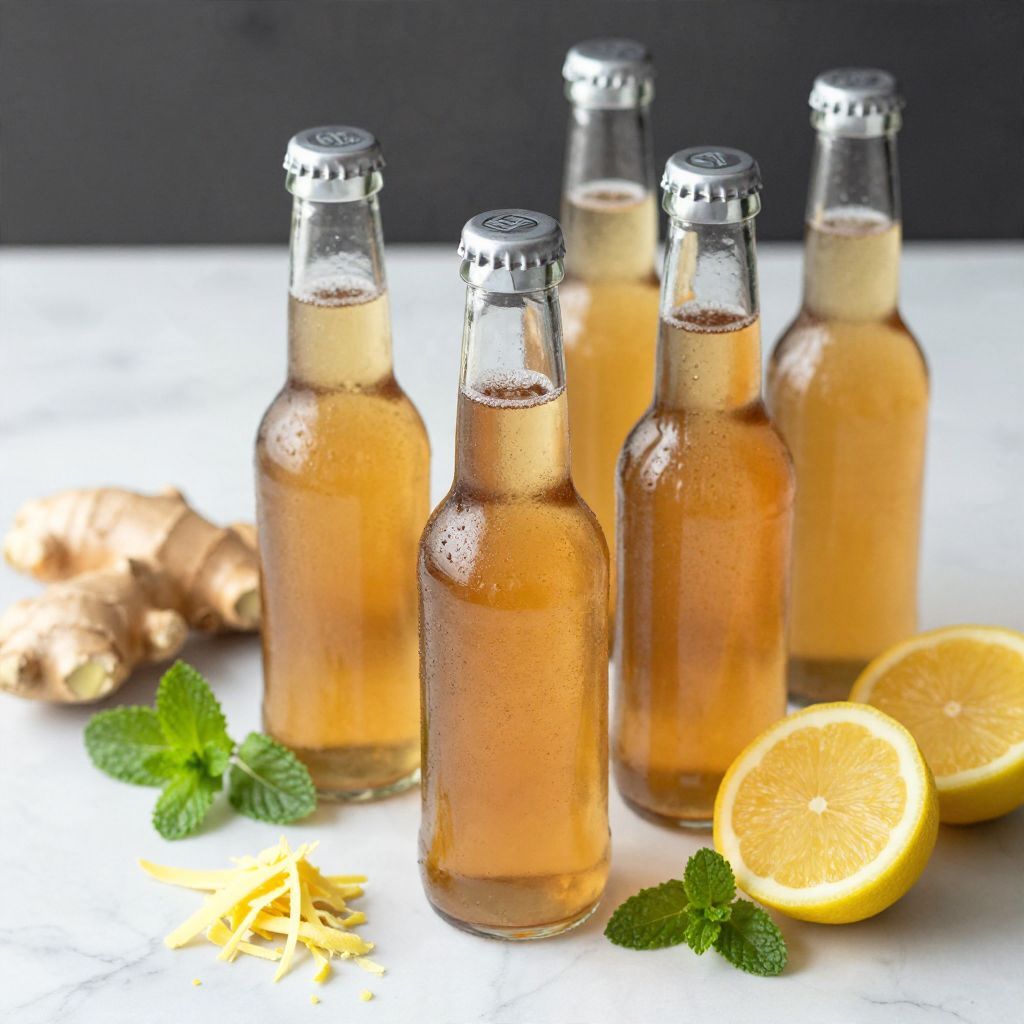
Homemade Ginger Beer
Ingredients
Equipment
Method
- Grate the fresh ginger using a microplane or fine grater.
- In a large mixing bowl, combine the grated ginger, sugar, and lemon juice. Stir until the sugar is dissolved.
- Pour in the water and mix well, ensuring everything is combined.
- In a separate small bowl, dissolve the yeast in a few tablespoons of warm water. Allow it to sit for about 5 minutes until it becomes frothy.
- Add the activated yeast to the ginger mixture and stir gently.
- Cover the bowl with a cheesecloth or clean towel and let it sit in a warm area for 3-5 days.
- After fermentation, use a funnel to pour the mixture into glass bottles, leaving some space at the top.
- Seal the bottles and refrigerate them for at least 24 hours before enjoying.