
There’s something about a Gin Daisy that feels both timeless and refreshing, like stepping into a sun-drenched garden with a cold glass in hand.
This classic cocktail combines the botanical complexity of gin with bright citrus, a touch of sweetness, and a splash of soda for that perfect balance of sophistication and drinkability. What makes the Gin Daisy special is its simplicity: you’re not wrestling with a dozen ingredients or fussy techniques, yet the result tastes like it came from a skilled bartender’s hand. Whether you’re hosting a summer gathering or treating yourself to a midweek pick-me-up, this recipe delivers impressive flavor in about two minutes.
Why You’ll Love This Recipe
The Gin Daisy strikes that rare sweet spot between classic elegance and everyday accessibility.
- Quick to make with minimal ingredients and zero fuss.
- Adaptable to your gin preference, from London Dry to contemporary styles.
- Perfect for entertaining because the ratios are foolproof and repeatable.
- Balances strong spirit, citrus brightness, and subtle sweetness without tasting heavy.
- Looks beautiful in a glass and impresses guests without pretension.
My Experience Making This Recipe
I first made a Gin Daisy on a sticky summer afternoon when my gin collection had grown beyond my cocktail repertoire. I was tired of the same old gin and tonic, so I pulled out a cocktail book and noticed how elegant this drink looked in photographs.
The first batch took me about ninety seconds from ice to sip, and I was struck by how clean and bright it tasted. The lemon juice cuts through the gin’s botanicals without overwhelming them, while the grenadine adds just enough body and sweetness to round out the sharp edges. My partner tried one and immediately asked for a second, which is always the mark of a keeper.
I’ve since made this drink dozens of times for friends, and it’s become my go-to when I want to show off my bar skills without actually showing off. People always ask for the recipe, which tells you something about how well it works.
Recipe Overview
- Recipe Name: Gin Daisy
- Servings: 1 cocktail
- Prep Time: 2 minutes
- Cook Time: 0 minutes
- Total Time: 2 minutes
- Course: Beverage
- Cuisine: Classic Cocktail
- Calories per Serving: 180
Equipment You Will Need
- Cocktail shaker or mixing glass
- Bar spoon or long spoon for stirring
- Jigger for measuring spirits and juices
- Cocktail strainer
- Old-fashioned or rocks glass
- Citrus juicer or hand juicer
- Bar knife for cutting lemon twists
Ingredients for Gin Daisy
- 2 ounces gin
- 1 ounce fresh lemon juice
- 0.5 ounce grenadine
- 0.5 ounce simple syrup
- Ice (for shaking and serving)
- Soda water (about 1 ounce, or a splash to top)
- Lemon twist or cherry (for garnish)
Ingredient Notes and Substitutions
- Gin: The backbone of this drink, and your choice matters. London Dry gin brings classic spice and juniper; contemporary gins offer floral or citrus notes. Swap with vodka if you want a milder base, though you’ll lose the botanical character.
- Fresh Lemon Juice: Bottled lemon juice tastes flat and metallic by comparison. Squeeze fresh lemons every time. If you’re out of lemons, lime juice works but shifts the flavor profile noticeably toward tart.
- Grenadine: This pomegranate syrup adds color and subtle sweetness. Use quality brands like Bols or make your own by simmering pomegranate juice with sugar. Avoid artificial versions, which taste medicinal.
- Simple Syrup: Equal parts sugar and water, cooled. You can skip this if you prefer a drier cocktail, but it balances the tartness of the lemon beautifully. Store-bought works fine if homemade feels like too much.
- Soda Water: The fizz lightens the drink and adds refreshment. Club soda and seltzer both work; skip it if you prefer a spirit-forward sipper without carbonation.
How to Make Gin Daisy
Step 1: Chill Your Glass
Fill an old-fashioned glass or rocks glass with ice and let it sit while you prepare the drink. A cold glass keeps your cocktail cold longer and prevents dilution from melting ice in a warm vessel.
Step 2: Juice Fresh Lemons
Cut a lemon in half and juice it using a citrus juicer or by hand, aiming for exactly 1 ounce of juice. Fresh lemon juice tastes worlds apart from bottled, and precision here ensures the drink balances correctly every time.
Step 3: Add Gin to the Shaker
Pour 2 ounces of gin into a cocktail shaker. Use a jigger to measure so you get the ratio right; eyeballing this step leads to inconsistent results.
Step 4: Pour in the Lemon Juice
Add your 1 ounce of fresh lemon juice to the shaker. The acidity will brighten the gin’s botanicals and provide the tart backbone the cocktail needs.
Step 5: Add Sweetener and Color
Pour 0.5 ounce of grenadine and 0.5 ounce of simple syrup into the shaker. These ingredients balance the lemon’s sharpness and create the drink’s signature rosy hue.
Step 6: Fill with Ice and Shake Vigorously
Add enough ice to the shaker to fill it about three-quarters full, then shake hard for about 10 seconds. Vigorous shaking chills the drink quickly and aerates the ingredients, creating the right texture and temperature.
Step 7: Empty Your Glass and Strain
Dump the ice from your chilled glass, then pour the shaken cocktail through a cocktail strainer into the cold glass. This keeps large ice shards out of the drink while allowing the liquid through cleanly.
Step 8: Top with Soda and Stir
Add a splash of soda water, about 1 ounce, and stir gently with a bar spoon to combine. The soda lightens the drink and adds effervescence without overwhelming the other flavors.
Step 9: Garnish and Serve
Express the oils from a lemon twist over the drink by twisting it gently and dropping it in, or add a cherry if you prefer. The garnish adds aroma and a final visual touch of elegance.
Pro Tip: Always use fresh-squeezed lemon juice and chill your glass beforehand; these two steps alone separate mediocre Gin Daisies from memorable ones.
Tips for the Best Gin Daisy
- Measure everything with a jigger instead of pouring by hand. This drink relies on precise ratios, and guessing leads to drinks that are either too sweet or too sour.
- Shake hard and fast for a full 10 seconds, then pour immediately. The colder the cocktail arrives in your glass, the longer it stays fresh and balanced.
- Use quality gin that you actually enjoy drinking straight. If you don’t like the base spirit solo, you won’t like it in the cocktail either.
- Make your own simple syrup if possible by combining equal parts sugar and hot water, then cooling it. Homemade syrup tastes cleaner than many commercial versions.
- Squeeze lemon juice fresh each time, or do it at most a few hours ahead and store it covered in the refrigerator. Oxidized lemon juice loses brightness and turns dull.
- Consider the ice you’re using. Larger, slower-melting ice cubes keep the drink cold without watering it down as quickly as standard ice.
Common Mistakes to Avoid
- Using bottled lemon juice instead of fresh is the biggest mistake. Bottled juice tastes sharp and artificial, and it ruins the drink’s clean, bright character.
- Shaking halfheartedly or for too short a time results in a warm, diluted cocktail that tastes flat. Commit to a full 10 seconds of vigorous shaking.
- Skipping the grenadine to save money backfires because the drink loses its color, body, and subtle sweetness. The grenadine is worth buying.
- Pouring soda water without measuring means you risk making the drink too bubbly or too spirit-heavy. A splash, about 1 ounce, is the target.
- Forgetting to chill the glass beforehand causes the ice to melt faster and the drink to dilute. This tiny step makes a real difference in mouthfeel.
Serving Suggestions
The Gin Daisy drinks beautifully on its own, but pairing it with the right food makes the experience even better.
- Serve alongside charcuterie, aged cheeses, and cured meats for an aperitivo-style hour.
- Pair with light seafood appetizers like shrimp ceviche or smoked salmon on crackers.
- Enjoy before a summer dinner with grilled vegetables or herb-forward main courses.
- Complement fresh fruit desserts and light pastries without overwhelming delicate flavors.
- Serve at garden parties, cocktail hours, and evening gatherings where sophistication meets refreshment.
Variations to Try
- Rosé Gin Daisy: Swap half the gin for rosé wine to create a lighter, more delicate version with floral notes and softer alcohol warmth. This variation works beautifully for brunch gatherings.
- Grapefruit Daisy: Replace lemon juice with fresh grapefruit juice for a more tart, bitter-edged experience. The grenadine becomes more prominent in this version, creating an almost sunset-like appearance.
- Spiced Gin Daisy: Add a tiny dash of Angostura bitters or a few drops of spiced syrup to deepen complexity. This variation appeals to cocktail drinkers who want something less fruity and more aromatic.
- Dry Gin Daisy: Reduce the grenadine and simple syrup by half for a spirit-forward, less sweet version. This works well if you prefer drier cocktails or are serving it as an aperitif before dinner.
- Honey Daisy: Replace simple syrup with honey syrup (equal parts honey and warm water, cooled) for floral sweetness and richer body. This variation appeals to those who prefer honey’s complexity over plain sugar.
Dietary Adaptations
- Gluten-Free: All ingredients are naturally gluten-free, but verify your gin and grenadine labels since some brands may use gluten-containing additives. Most quality spirits and syrups are safe.
- Dairy-Free: This cocktail contains no dairy by default, making it instantly dairy-free. No substitutions needed.
- Vegan: Some grenadines contain animal products in processing, so select vegan-certified grenadine if this matters to you. The rest of the ingredients are plant-based or mineral-based.
- Low-Carb and Keto: Reduce the grenadine and simple syrup by half and replace them with a keto-friendly sweetener like erythritol or stevia. The drink will taste drier but still balanced.
Storage and Reheating
Refrigerator
Cocktails don’t keep well in the fridge because dilution and oxidation degrade them within hours. If you must store one, cover it tightly and drink it within 1 hour.
- Store unmixed ingredients separately in sealed containers for up to 2 weeks.
- Keep fresh lemon juice in an airtight container for up to 3 days.
- Store grenadine and simple syrup in sealed bottles for months.
Freezer
Freezing a finished cocktail ruins its texture and flavor profile, so this isn’t recommended. However, you can freeze lemon juice in ice cube trays for later use.
- Freeze fresh lemon juice in ice cube trays and pop out cubes for storage in freezer bags.
- Thaw frozen lemon juice cubes in the refrigerator before using in future cocktails.
Reheating
Cocktails are never reheated; they’re always served cold and fresh. Make a new batch rather than attempting to revive an old one.
- Always prepare cocktails to order for the best flavor and texture.
- Chill all ingredients and glassware ahead of time if you’re making multiple drinks at once.
Nutrition Information
| Nutrient | Amount |
|---|---|
| Calories | 180 |
| Total Fat | 0 g |
| Saturated Fat | 0 g |
| Carbohydrates | 12 g |
| Fiber | 0 g |
| Sugar | 10 g |
| Protein | 0 g |
| Sodium | 5 mg |
| Cholesterol | 0 mg |
These values are approximate and calculated from standard ingredients. Exact nutrition depends on specific brands and preparation methods used.
Frequently Asked Questions
Can I make a Gin Daisy without soda water?
Yes, you can skip the soda water for a spirit-forward, non-carbonated drink. The cocktail becomes denser and more concentrated, which some people prefer, though you lose the refreshing fizz.
What gin should I use for a Gin Daisy?
London Dry gin like Tanqueray or Bols is the traditional choice because its juniper and spice shine through the citrus. Contemporary gins work too, but they’ll shift the flavor profile noticeably.
Can I make this cocktail ahead for a party?
Avoid pre-mixing finished cocktails because they dilute and oxidize quickly. Instead, prepare all ingredients separately, chill your glassware, and mix each drink to order for the best results.
What’s the difference between a Gin Daisy and a Gimlet?
A Gimlet uses only gin and lime cordial or lime juice with simple syrup, making it simpler and more tart. A Gin Daisy adds grenadine and soda water, creating a sweeter, more colorful, and less spirit-forward drink.
Can I use lime juice instead of lemon?
You can, but the drink changes character significantly. Lime is more assertive and tart, making the cocktail feel sharper and less balanced with the grenadine’s sweetness.
How do I make simple syrup?
Combine equal parts granulated sugar and hot water in a jar, stir until the sugar dissolves completely, then cool it to room temperature. Store it in the refrigerator for up to a month.
Final Thoughts
The Gin Daisy rewards you with elegance and flavor in exchange for minimal effort and a handful of basic ingredients. Once you’ve made it a few times, the drink becomes second nature, and you’ll find yourself reaching for it whenever you want something special without the fuss.
Mix one today, sit back, and enjoy the balance of bright citrus, botanical gin, and subtle sweetness. Your friends will thank you, and you’ll understand why this classic has endured for generations.
Ready to explore more cocktail classics? Check out our guide to gin and juice cocktail recipe for another refreshing option, or browse our complete collection of gin cocktails recipe to find your next favorite drink.
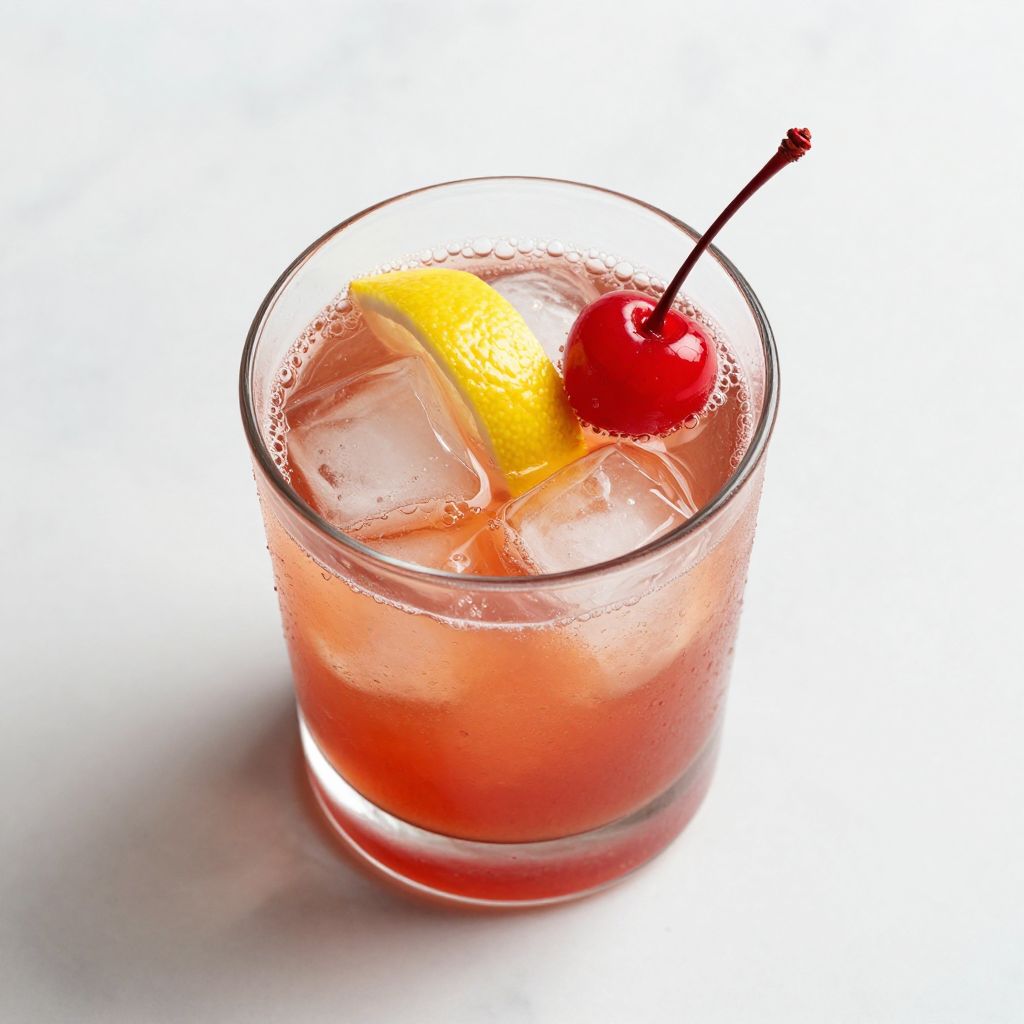
Gin Daisy
Ingredients
Equipment
Method
- Chill your glass by filling an old-fashioned glass with ice and letting it sit.
- Cut a lemon in half and juice it to yield 1 ounce of fresh lemon juice.
- Pour 2 ounces of gin into a cocktail shaker using a jigger.
- Add 1 ounce of fresh lemon juice to the shaker.
- Add 0.5 ounce of grenadine and 0.5 ounce of simple syrup into the shaker.
- Fill the shaker three-quarters full with ice and shake vigorously for about 10 seconds.
- Discard the ice from the chilled glass and strain the cocktail into the glass using a cocktail strainer.
- Top the cocktail with 1 ounce of soda water and stir gently with a bar spoon.
- Garnish with a lemon twist or cherry and serve immediately.