
There’s something deeply satisfying about the clink of ice in a crystal glass and the botanical perfume of gin filling the air around you. Gin cocktails aren’t just drinks; they’re a gateway into a world of flavor that rewards curiosity and experimentation.
What makes gin cocktails so special is their versatility and the way they celebrate the spirit’s complex botanicals rather than mask them. Whether you’re hosting friends or enjoying a quiet evening, mastering a few solid gin cocktail recipes transforms you from someone who orders drinks into someone who creates them.
Why You’ll Love This Recipe
Gin cocktails offer something for every palate and occasion, and once you understand the fundamentals, you’ll feel confident building your own variations. These drinks balance spirit, citrus, bitters, and other modifiers into something greater than the sum of their parts.
- Simple to execute with just a few quality ingredients and basic technique
- Endlessly customizable based on your gin choice and flavor preferences
- Impresses guests without requiring a bartender’s diploma
- Works for casual gatherings or elegant entertaining
- Budget-friendly compared to ordering at bars
My Experience Making This Recipe
I started making gin cocktails at home out of pure necessity: my local bar closed during the pandemic, and I refused to pay twenty dollars for a drink I could make better myself. My first attempts were clumsy, heavy-handed, and honestly a bit watery, but I learned quickly that precision and quality ingredients matter enormously.
The turning point came when I invested in a proper jigger and fresh citrus instead of bottled juice. Suddenly the drink sang instead of sputtered, and I understood why bartenders obsess over these details.
Now I keep three or four gin styles on hand and rotate through different cocktails depending on my mood. My friends have stopped asking where I’m ordering from and started asking if I’m making the gin drinks tonight.
Recipe Overview
- Recipe Name: Classic Gin Cocktail Collection
- Servings: 1 cocktail per recipe
- Prep Time: 5 minutes
- Cook Time: 0 minutes
- Total Time: 5 minutes
- Course: Cocktails and Drinks
- Cuisine: British/International
- Calories per Serving: 140 to 180 per cocktail
Equipment You Will Need
- Cocktail shaker or mixing glass
- Bar spoon for stirring
- Jigger for measuring (1.5 oz and 0.5 oz measures)
- Hawthorne strainer
- Fine mesh strainer for double straining
- Citrus juicer or reamer
- Vegetable peeler for citrus twists
- Cutting board and sharp knife
- Cocktail glass or coupe glass
- Ice (large cubes preferred)
Ingredients for Classic Gin Cocktail Collection
For the Gin and Tonic
- Gin (1.5 oz, London Dry style preferred)
- Tonic water (4 to 5 oz, quality brand)
- Fresh lime (1 wedge or small slice)
- Ice (large cubes)
- Optional: juniper berries or cucumber slice for garnish
For the Martini
- Gin (2 oz, London Dry or gin of choice)
- Dry vermouth (0.5 oz)
- Angostura or orange bitters (1 dash, optional but recommended)
- Ice (large cubes for stirring)
- Olive or lemon twist (for garnish)
For the Gimlet
- Gin (2 oz)
- Fresh lime juice (0.75 oz, freshly squeezed)
- Simple syrup (0.5 oz)
- Ice (cubes for shaking)
- Lime wheel (for garnish)
For the Negroni
- Gin (1 oz)
- Campari (1 oz)
- Sweet vermouth (1 oz)
- Ice (large cubes)
- Orange twist (for garnish)
Ingredient Notes and Substitutions
- Gin: The spirit backbone of every cocktail here; London Dry gin offers classic juniper-forward flavor. If London Dry tastes too botanically intense for you, try Plymouth gin for a slightly smoother character.
- Dry vermouth: This fortified wine adds complexity and dryness to stirred cocktails. Noilly Prat is the standard, but Dolin makes a lighter, crisper alternative.
- Fresh lime juice: Bottled lime juice will ruin any gin cocktail that depends on citrus brightness. Always squeeze fresh limes; you’ll taste the difference immediately and wonder why you ever used bottled.
- Tonic water: Cheap tonic is flat and overly sweet; invest in a quality brand like Fever-Tree or Q Tonic. If you hate tonic, club soda with a splash of vermouth works as an alternative, though it’s technically a different drink.
- Campari: This Italian aperitif brings bitter, herbal notes to the Negroni that no substitute quite matches. If unavailable, Aperol is lighter and sweeter but will shift the drink’s character noticeably.
- Simple syrup: Make your own by dissolving equal parts sugar and hot water; it keeps for a month in the fridge. You can also use honey syrup (50/50 honey and water) for a rounder, slightly floral sweetness.
How to Make Classic Gin Cocktail Collection
Step 1: Chill Your Glass
Place your cocktail glass in the freezer for at least 5 minutes or fill it with ice and water while you prepare the drink. A cold glass keeps your cocktail cold longer and improves the overall experience significantly.
Step 2: Gather and Measure Ingredients
Lay out all ingredients and use your jigger to measure precisely; sloppy pouring creates unbalanced, disappointing drinks. Pre-measuring also lets you work calmly and confidently rather than fumbling mid-cocktail.
Step 3: Fill Your Shaker with Ice
For shaken cocktails like the Gimlet, fill your cocktail shaker about three-quarters full with ice, preferably large cubes that melt more slowly than small ice. Cold ingredients and a cold shaker mean your drink stays properly chilled without over-dilution.
Step 4: Add Liquid Ingredients to Shaker
Pour gin, citrus juice, and any syrups or modifiers into the shaker in that order. Adding gin first prevents it from getting splashed out when you add other ingredients.
Step 5: Shake Vigorously for 10 to 15 Seconds
Hold the shaker firmly with both hands and shake hard with purpose until the outside of the shaker frosts over and feels ice-cold. Short, timid shakes leave the drink warm and under-mixed; vigorous shaking is essential for proper dilution and chill.
Step 6: Strain into Your Chilled Glass
Using a Hawthorne strainer, pour the cocktail into your pre-chilled glass, straining out the ice. For extra clarity, double-strain through a fine mesh strainer to catch any small ice shards.
Step 7: For Stirred Cocktails, Use a Mixing Glass Instead
Fill a mixing glass with ice and add your gin, vermouth, and bitters, then stir for about 30 seconds with a bar spoon. Stirring rather than shaking creates a silkier texture and is the traditional method for spirit-forward cocktails like Martinis and Negronis.
Step 8: Garnish with Intention
Express citrus oils from a twist by twisting it over the drink and rubbing the oils around the rim before dropping it in, or place your garnish on the surface as specified. The garnish adds aroma, flavor complexity, and visual appeal that completes the experience.
Step 9: Serve Immediately
Bring the cocktail to your lips while it’s still ice-cold and drink it before it warms up. Cocktails are best enjoyed at their coldest within the first minute or two of preparation.
Pro Tip: Always use fresh lime juice squeezed moments before serving, large ice cubes rather than crushed ice, and quality spirits; these three choices matter more than any fancy technique.
Tips for the Best Gin Cocktails
- Chill every glass before pouring; warm glassware ruins an otherwise perfect drink in seconds.
- Invest in large ice cubes or a Lewis bag to keep ice cold longer, which means your cocktail stays cold without becoming watered down.
- Taste your gin neat first to understand its botanical profile, which helps you choose cocktails and modifiers that complement rather than compete with it.
- Use room-temperature spirits from the shelf, not from the freezer; freezing numbs the flavor and makes the drink taste harsh.
- Squeeze citrus fresh for each drink; bottled juice tastes stale and metallic no matter what brand you buy.
- Stir spirit-forward cocktails and shake citrus-forward ones; the technique changes the texture and balance of the final drink.
Common Mistakes to Avoid
- Using warm ice or insufficient ice that melts too quickly, leaving you with a lukewarm, overly diluted mess within minutes.
- Measuring by eye instead of using a jigger, which leads to unbalanced drinks that are either too strong, too sweet, or too sour.
- Shaking a Martini instead of stirring it, which aerates the drink and creates unwanted cloudiness and a harsher mouthfeel.
- Neglecting to express citrus oils from twists, skipping an important flavor and aromatic component that elevates the drink.
- Using aged spirits that have been sitting open for months, as oxidation dulls their flavor and character over time.
Serving Suggestions
Gin cocktails pair beautifully with light appetizers and can anchor both casual and elegant gatherings. Consider your cocktail’s flavor profile when choosing food pairings to create a harmonious experience.
- Gin and Tonic with smoked salmon, cucumber sandwiches, or fresh oysters
- Martini with mixed nuts, olives, or charcuterie
- Gimlet with light fish dishes, shrimp, or citrus-forward seafood preparations
- Negroni with cured meats, aged cheese, or bitter greens salads
- Any gin cocktail with charcuterie boards featuring nuts, dried fruit, and quality cured meats
Variations to Try
- The Pink Gin: Add a dash or two of Angostura bitters to a Gin and Tonic for a subtle spice and floral complexity that shifts the drink’s character without overwhelming it.
- The Sloe Gin Fizz: Swap half your gin for sloe gin, add lemon juice and simple syrup, then top with soda water for a fruity, effervescent variation that’s perfect for warmer months.
- The Cucumber Gin Cooler: Muddle fresh cucumber in your shaker before adding gin, lime juice, and simple syrup for a refreshing, botanical twist that feels lighter than a traditional Gimlet.
- The Dirty Martini: Add 0.5 oz of olive brine to your Martini ingredients and garnish with olives instead of a lemon twist for a savory, briny variation.
- The Gin Sour: Combine gin, fresh lemon juice, simple syrup, and egg white (shaken separately first), then shaken together for a silky, frothy cocktail with body and richness.
Dietary Adaptations
- Gluten-Free: All gin cocktails are naturally gluten-free since distilled spirits don’t contain gluten, though verify your specific brand has no additives or flavoring that might introduce gluten.
- Dairy-Free: Standard gin cocktails contain no dairy, but skip any creamy variations like cream-based gin cocktails and stick to spirit-forward or citrus-based recipes.
- Vegan: Most gin cocktails are vegan, but avoid egg white variations and check that your vermouth hasn’t been filtered through animal products; most modern brands are vegan-friendly.
- Low-Carb or Keto: Skip sugary mixers and syrups; stick to Gin and Tonics made with sugar-free tonic, Martinis, or Negronis, all of which contain minimal carbohydrates.
- Sugar-Free: Replace simple syrup with monk fruit syrup or stevia-sweetened alternatives in Gimlets and other sour-style cocktails to reduce sugar content.
Storage and Reheating
Refrigerator
Pre-made gin cocktails don’t store well in the refrigerator since they separate and lose their character, but you can refrigerate unmixed ingredients and assemble fresh cocktails as needed. Store vermouth and opened bottles in the fridge for up to a month.
- Keep gin, vermouth, and bitters in the fridge to chill them slightly before cocktail making
- Store fresh lime juice in an airtight container for up to 3 days
- Refrigerate simple syrup in a sealed jar for up to one month
Freezer
Don’t freeze finished cocktails; they’ll separate and taste odd when thawed. You can freeze ice cubes or use the freezer to chill glasses quickly.
- Make large ice cubes and store them in a sealed container for months
- Use a Lewis bag filled with ice and rock salt to keep ice colder longer during service
Reheating
Cocktails are meant to be served cold and consumed immediately, so reheating doesn’t apply. Always make fresh drinks to order for the best flavor and temperature.
- Prepare ingredients ahead, but assemble each cocktail fresh just before serving
- Pre-chill glasses in the freezer so you’re ready to pour instantly
Nutrition Information
| Nutrient | Amount |
|---|---|
| Calories | 140-180 |
| Total Fat | 0g |
| Saturated Fat | 0g |
| Carbohydrates | 0-5g |
| Fiber | 0g |
| Sugar | 0-3g |
| Protein | 0g |
| Sodium | 0-20mg |
| Cholesterol | 0mg |
Nutritional values vary depending on which cocktail you prepare and whether you include mixers like tonic or syrup. Gin itself contains roughly 97 calories per 1.5 oz serving with no sugar or carbohydrates.
Frequently Asked Questions
What’s the difference between London Dry gin and other styles?
London Dry gin emphasizes juniper and has no added sweetness, making it the standard for classic cocktails like Martinis and Negronis. Other styles like Old Tom gin or contemporary gins use different botanicals and sweetness levels, which changes how they interact with mixers and modifiers.
Can I make gin cocktails without a shaker?
You can stir cocktails in a mixing glass with a bar spoon, though shaking aerates citrus-forward drinks properly and cools them faster. For a makeshift shaker, use any glass pitcher with a tight-fitting lid, but proper cocktail tools work significantly better.
How far ahead can I prep ingredients?
Squeeze fresh lime juice up to 4 hours before serving, prepare simple syrup and keep it refrigerated for up to a month, and chill glasses in the freezer up to 30 minutes before serving. Mix the finished cocktail only moments before you drink it for best results.
Why does my Gimlet taste too sour or too sweet?
Use your jigger to measure precisely; if it tastes too sour, you’ve added too much lime juice relative to syrup, or vice versa. Start with the exact ratios given and adjust slightly next time based on your preference and the acidity of your specific limes.
What’s the best gin for beginners?
Tanqueray or Bombay Sapphire offer balanced juniper-forward profiles that work beautifully in any classic cocktail without costing a fortune. As you gain confidence, experiment with other brands to find your favorite botanical profile.
Do I really need fresh citrus or can I use bottled juice?
Fresh citrus is non-negotiable; bottled juice tastes flat, metallic, and stale no matter what price you pay
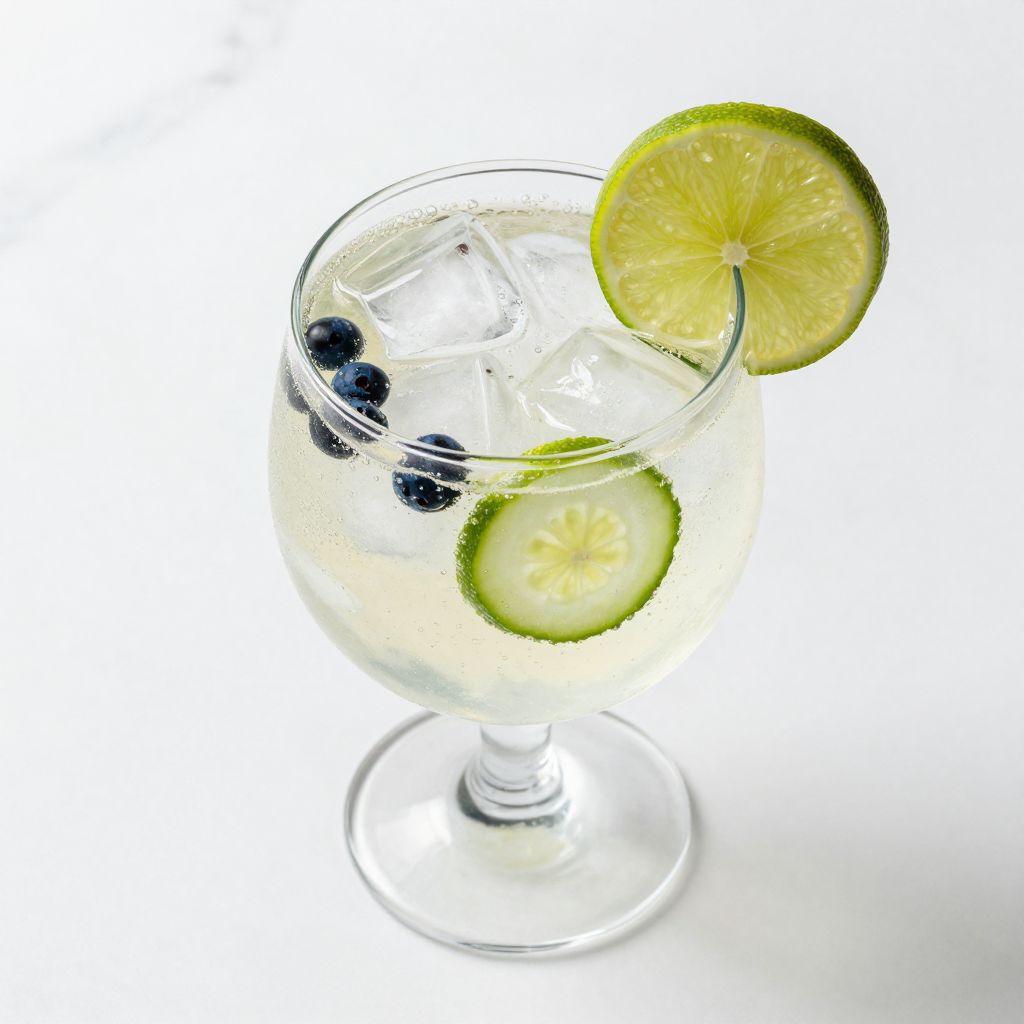
Classic Gin Cocktail Collection
Ingredients
Equipment
Method
- Place your cocktail glass in the freezer for at least 5 minutes or fill it with ice and water while you prepare the drink.
- Lay out all ingredients and use your jigger to measure precisely.
- For shaken cocktails like the Gimlet, fill your cocktail shaker about three-quarters full with ice, preferably large cubes.
- Pour gin, citrus juice, and any syrups or modifiers into the shaker in that order.
- Hold the shaker firmly with both hands and shake hard for 10 to 15 seconds until the outside of the shaker frosts over and feels ice-cold.
- Using a Hawthorne strainer, pour the cocktail into your pre-chilled glass, straining out the ice. For extra clarity, double-strain through a fine mesh strainer.
- For stirred cocktails like Martini and Negroni, fill a mixing glass with ice and add your gin, vermouth, and bitters, then stir for about 30 seconds with a bar spoon.
- Express citrus oils from a twist by twisting it over the drink and rubbing the oils around the rim before dropping it in, or place your garnish on the surface as specified.
- Serve immediately while the cocktail is still ice-cold.