
There’s something about the first sip of a French Negroni that stops you mid-conversation. The botanicals hit first, then the subtle sweetness, followed by a warming finish that makes you want to order another round immediately.
This refined take on the classic Negroni swaps gin for cognac, trading bold juniper for the soft complexity of aged brandy. The result feels sophisticated without being pretentious, challenging without being difficult to drink.
If you’ve mastered the original Negroni and want to explore a more elegant variation, or if you simply love cognac and appreciate well-balanced cocktails, this recipe belongs in your rotation. It takes five minutes to make but tastes like you spent an hour thinking about it.
Why You’ll Love This Recipe
The French Negroni delivers everything you want from a spirit-forward cocktail with one key advantage: it’s actually easier to execute than you might think.
- Cognac brings warmth and depth that gin simply cannot match, creating a smoother drinking experience.
- The combination of three quality ingredients means there’s nowhere to hide, so even small upgrades make a noticeable difference.
- It works equally well as an aperitif before dinner or as a contemplative nightcap after.
- You can make it in under a minute with just three bottles and ice, making it perfect for impressing guests without stress.
- The flavor profile shifts subtly depending on your cognac choice, giving you room to experiment and discover your preference.
My Experience Making This Recipe
I first encountered a French Negroni at a small cocktail bar in Paris, where the bartender made it with the same casual confidence most people reserve for pouring a glass of wine. What struck me was how differently it tasted compared to the gin-based version I’d been drinking for years.
The cognac created this almost silky quality that the original’s juniper notes never managed. Instead of a sharp, botanical punch, I experienced layers that unfolded slowly across my palate.
Back home, I experimented with different cognac styles and proportions until I landed on a ratio that felt balanced and approachable. Every person I’ve served this to has had the same reaction: a pause after the first sip, then a nod of recognition that something special just happened.
Recipe Overview
- Recipe Name: French Negroni
- Servings: 1
- Prep Time: 2 minutes
- Cook Time: 0 minutes
- Total Time: 2 minutes
- Course: Cocktail
- Cuisine: French
- Calories per Serving: 180
Equipment You Will Need
- Cocktail mixing glass or any drinking glass
- Bar spoon or long teaspoon
- Jigger for measuring (or a shot glass)
- Strainer (fine mesh preferred, but not essential)
- Cocktail coupe glass or rocks glass
- Ice cubes (preferably large or king cubes)
Ingredients for French Negroni
- Cognac: 1 ounce (30 ml)
- Campari: 1 ounce (30 ml)
- Sweet vermouth: 1 ounce (30 ml)
- Orange peel or twist for garnish
- Ice cubes
Ingredient Notes and Substitutions
- Cognac: This aged brandy serves as the backbone, providing warmth and complexity that softer than gin. You can substitute with armagnac for a slightly earthier profile, though the drink will taste noticeably different.
- Campari: The bitter, herbal component defines the Negroni family, and no substitute truly replicates its specific bitterness. If you must, Luxardo Bitter works in a pinch but shifts the flavor balance toward sweetness.
- Sweet vermouth: This contributes roundness and subtle vanilla notes that balance the bitters. Dry vermouth creates an entirely different drink (closer to a Martini-style cocktail), so stick with sweet unless you’re deliberately experimenting.
- Orange peel: The oils from fresh citrus add a bright, final aroma and flavor layer. Lemon peel or even a cherry work, but orange’s sweetness complements cognac best.
How to Make French Negroni
Step 1: Gather Your Ingredients and Chill Your Glass
Pull out your cognac, Campari, and sweet vermouth, along with a rocks glass or coupe. If you have time, place the glass in the freezer for a minute or two while you prepare everything else.
A cold glass keeps the drink cold longer and prevents the ice from melting too quickly, which waters down the flavors and diminishes that first powerful sip.
Step 2: Fill Your Mixing Glass with Ice
Pour ice into a mixing glass or any sturdy drinking glass until it’s about three-quarters full. Use large ice cubes if possible, as they melt more slowly than crushed or small ice.
Larger ice melts gradually, meaning your cocktail stays balanced and doesn’t become diluted halfway through the drink.
Step 3: Measure and Pour the Cognac
Using a jigger or shot glass, measure exactly 1 ounce of cognac into the mixing glass. Pour it over the ice and notice how it coats the cubes with a caramel-brown hue.
The cognac sets the tone for the entire drink, so precision here matters more than in some other cocktails.
Step 4: Add the Campari
Measure 1 ounce of Campari and pour it over the cognac and ice. The bright red color will begin to blend with the caramel tones, creating a deep amber-red mixture.
Campari brings the bitterness and herbal edge that prevents the drink from feeling too sweet or one-dimensional.
Step 5: Pour in the Sweet Vermouth
Measure your final ounce of sweet vermouth and add it to the mixing glass. At this point, you have equal parts of all three ingredients, which is the classic and most balanced ratio.
The vermouth rounds out the sharper edges of the Campari and adds weight and texture to the drink.
Step 6: Stir the Mixture Thoroughly
Using a bar spoon or long teaspoon, stir the mixture slowly for about 10 to 15 seconds. Stirring chills the drink, properly dilutes it with melted ice, and ensures all three ingredients blend seamlessly.
Proper stirring is what separates a well-made cocktail from a merely mixed one. The slight dilution from ice is not a flaw; it’s essential to making the drink balanced and drinkable.
Step 7: Strain Into Your Serving Glass
Hold a strainer against the rim of your mixing glass and slowly pour the cocktail into your chilled serving glass. If you don’t have a strainer, carefully tilt the mixing glass and let the liquid flow while keeping the ice back with a spoon.
Straining leaves behind the watered-down ice while transferring the perfectly chilled, diluted cocktail into a fresh glass.
Step 8: Garnish with an Orange Peel
Take a fresh orange peel and twist it gently over the surface of the drink to release the oils. Rub the peel around the rim of the glass for extra aroma, then place it in the drink or lay it across the top.
This final step isn’t just decoration; the orange oils add complexity and a bright finish that lifts the entire experience.
Pro Tip: Use fresh, large ice cubes and stir for a full 10 to 15 seconds; rushing the stirring or using small ice results in a watered-down, unbalanced drink that tastes like something went wrong.
Tips for the Best French Negroni
- Invest in good cognac if you’re going to drink this regularly. A VS or VSOP grade cognac costs only a few dollars more than budget options but tastes dramatically better in a spirit-forward cocktail where it’s the star.
- Use fresh ice made from filtered or distilled water if possible. Cloudy ice or ice made from tap water can introduce off-flavors that distract from the cognac.
- Stir slowly and deliberately, don’t rush it. A slow stir chills the drink without over-aerating it or creating too much dilution.
- Taste your ingredients before mixing if you’re trying a new cognac or vermouth brand. Different producers have different flavor profiles, and a shift in any one component changes the entire balance.
- Make this drink right before serving it. Unlike some cocktails, the Negroni family doesn’t improve by sitting; it only gets more diluted.
- Serve it in a chilled coupe for an elegant presentation, or in a rocks glass over a large ice cube if you prefer sipping it slowly.
Common Mistakes to Avoid
- Using cheap or low-quality cognac. Since the cognac is half the drink, skimping here ruins everything; you can taste the difference immediately.
- Under-stirring the mixture. Many home bartenders stir for only 3 to 5 seconds, which doesn’t chill the drink enough or dilute it properly, resulting in an harsh, unbalanced taste.
- Using too much ice or too little. Too much ice leaves no room for the liquid and causes uneven dilution; too little means the drink warms up too quickly.
- Forgetting the orange garnish or using a lemon peel instead. The orange oils are essential to the final flavor; lemon shifts the whole profile toward something harsher and less balanced.
- Making it ahead of time and storing it. A pre-made Negroni quickly becomes watery and loses its crisp, balanced profile.
Serving Suggestions
The French Negroni stands beautifully on its own, but a few pairings enhance the experience. Serve it before a meal with light appetizers, or after dinner as a contemplative sipper.
- With oysters or fresh seafood as part of an elegant aperitif hour.
- Alongside a charcuterie board featuring aged cheeses and cured meats.
- After a rich dinner as a digestif to aid the meal’s conclusion.
- With dark chocolate or bitter desserts that echo the Campari’s herbal notes.
- Simply on its own, as the main event during a quiet evening.
Variations to Try
- Negroni Sbagliato style: Replace the cognac with prosecco or champagne for a lighter, bubbly version that feels less boozy and more celebratory. You lose some depth but gain elegance and approachability.
- With different vermouths: Swap the sweet vermouth for a barrel-aged or herbal vermouth (like Noilly Prat) to shift the flavor toward earthiness and away from sweetness. Each vermouth brand changes the balance slightly.
- With Luxardo maraschino liqueur: Add a small dash (about 0.25 ounce) of maraschino liqueur and reduce the vermouth slightly to introduce cherry and almond notes that complement cognac beautifully.
- Cognac forward version: Increase the cognac to 1.5 ounces and reduce the Campari and vermouth to 0.75 ounces each for a spirit-forward, warming variation that emphasizes the brandy.
- Smoked version: Express the orange peel over a flame to add subtle char and smoke to the drink before garnishing. This adds complexity without changing the base recipe.
Dietary Adaptations
- Gluten-free: All three main ingredients are naturally gluten-free, though always verify your specific cognac and vermouth brands haven’t been processed in shared facilities if you have severe sensitivity.
- Vegan: The French Negroni is vegan as written; cognac, Campari, and vermouth contain no animal products or animal-derived processing agents in most cases, though checking individual brands ensures certainty.
- Lower alcohol option: Replace half the cognac with a non-alcoholic spirit or omit it entirely for a lower ABV version, though this shifts the flavor profile toward bitterness and away from warmth.
- Sugar-conscious version: Use a dry vermouth instead of sweet to reduce added sugar, understanding that this creates a different drink that’s drier and less rounded.
Storage and Reheating
Refrigerator
Store your bottles of cognac, Campari, and vermouth at room temperature in a cool, dark cabinet away from direct sunlight. Once opened, they last for months without significant degradation if sealed properly.
- Cognac typically stays fresh for 1 to 2 years after opening in a sealed bottle.
- Campari and vermouth last 6 to 12 months after opening if recorked tightly.
- A mixed cocktail should never be refrigerated; make it fresh each time you serve it.
Freezer
Spirits don’t freeze at typical freezer temperatures, so storing cognac or vermouth in the freezer offers no real benefit and can dull flavors if left too long.
- Pre-chilling your glass in the freezer for 2 to 3 minutes before making the drink is more effective.
- Never freeze a mixed cocktail, as freezing separates the ingredients and creates uneven dilution upon thawing.
Reheating
This isn’t a drink that gets reheated; it’s always served cold and fresh. Make a new batch whenever you want one rather than attempting to revive an old drink.
- If a drink has warmed up, discard it and start fresh with chilled ingredients and ice.
- The only exception is if you’re serving multiple people; make a larger batch in a pitcher and stir it together, then divide into glasses immediately.
Nutrition Information
| Nutrient | Amount |
|---|---|
| Calories | 180 |
| Total Fat | 0 g |
| Saturated Fat | 0 g |
| Carbohydrates | 2 g |
| Fiber | 0 g |
| Sugar | 1.5 g |
| Protein | 0 g |
| Sodium | 5 mg |
| Cholesterol | 0 mg |
These values represent the standard recipe with no modifications. Actual nutrition varies slightly based on specific cognac, vermouth, and Campari brands used.
Frequently Asked Questions
Can I make a batch of French Negronis ahead of time?
You can mix the three liqueurs together and refrigerate the batch for a few hours, but you must stir it fresh with ice and strain it into glasses immediately before serving. Pre-diluted, stored cocktails become watery and unbalanced.
What cognac should I use?
A VS or VSOP cognac works perfectly for this drink; you don’t need an expensive XO grade for a cocktail. Look for brands like Hennessy, Rémy Martin, or Courvoisier at the mid-range price point for reliable quality.
Is there a non-alcoholic version?
You could substitute non-alcoholic alternatives for each ingredient, but the result won’t taste like a French Negroni; it will taste like a different drink entirely. The alcohol is fundamental to how these ingredients marry together.
Why is my drink tasting too bitter?
This typically means you either under-stirred (so the drink isn’t cold and diluted enough to balance the Campari) or your vermouth is dry instead of sweet. Double-check your recipe and make sure to stir for a full 10 to 15 seconds.
Can I substitute Campari with another aperitif?
You could try Luxardo Bitter or Fernet Branca, but the drink will taste noticeably different. Campari’s specific bitterness is what defines the Negroni family, so substitutions change the entire character.
What’s the difference between a French Negroni and the classic Negroni?
The main difference is cognac instead of gin. Gin brings sharp juniper and botanical notes, while cognac creates a warmer, smoother, more complex base that feels less herbal and more refined.
Final Thoughts
The French Negroni proves that small changes to a classic can yield something genuinely special. By swapping gin for cognac, you move from a bold, botanical statement to something more contemplative and sophisticated.
Make one tonight with quality ingredients, stir it properly, and notice how much better it tastes than you expected. This is the kind of cocktail that rewards paying attention, and every sip tells you exactly why you bothered to get it right.
If you’ve enjoyed exploring this refined variation, check out other classic cocktail variations like the Kingston Negroni recipe to continue building your home bar repertoire and discovering new flavor combinations that work just as beautifully.
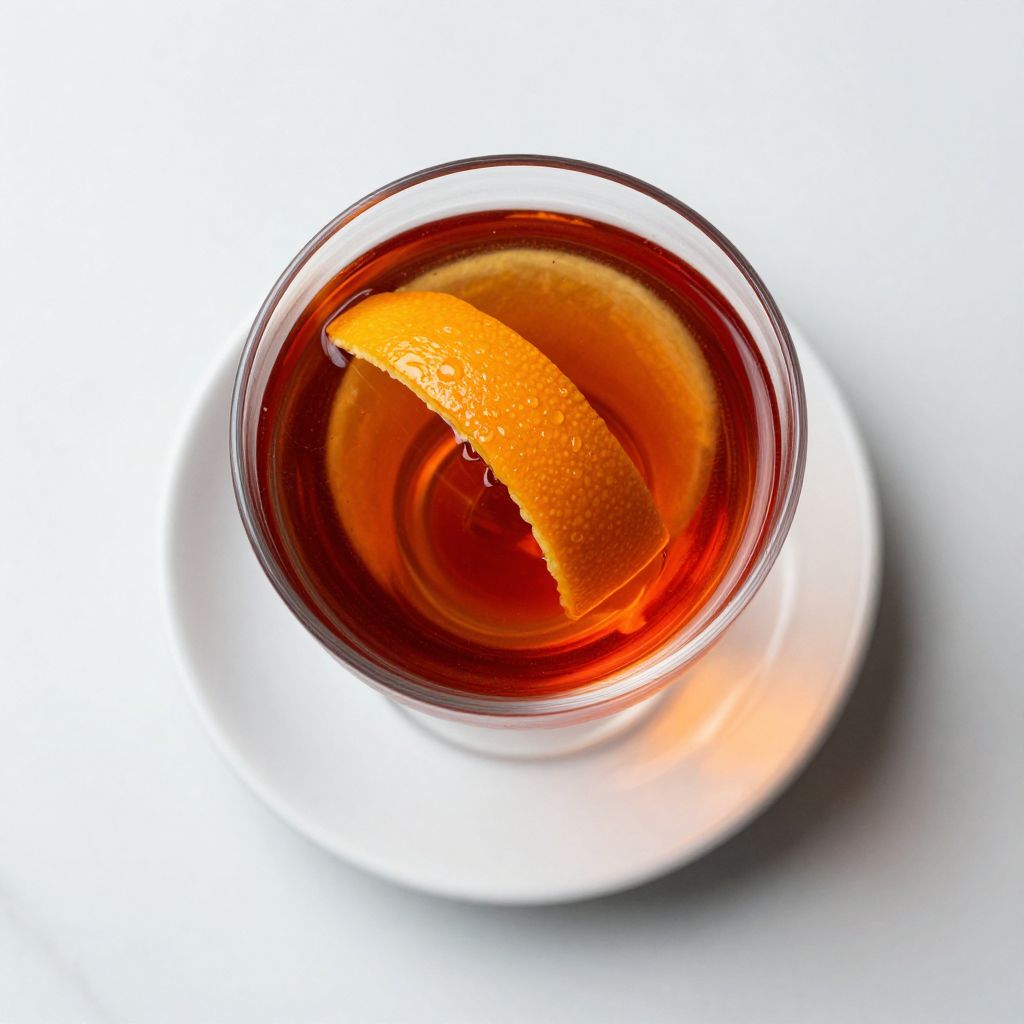
French Negroni
Ingredients
Equipment
Method
- Gather your ingredients and chill your serving glass in the freezer for 1 to 2 minutes.
- Fill a mixing glass or sturdy drinking glass with large ice cubes until three-quarters full.
- Measure and pour 1 ounce (30 ml) of Cognac over the ice.
- Measure and pour 1 ounce (30 ml) of Campari over the Cognac and ice.
- Measure and pour 1 ounce (30 ml) of Sweet vermouth into the mixing glass.
- Stir the mixture slowly with a bar spoon for 10 to 15 seconds to properly chill and dilute the drink.
- Place a strainer over the mixing glass and pour the cocktail into the chilled serving glass, leaving the ice behind.
- Twist an orange peel over the drink to release the oils, rub the peel around the glass rim, and drop it in as a garnish.