
There’s something almost magical about that first sip of a freddo espresso on a hot afternoon, when the ice clinks against the glass and you get that perfect balance of bold coffee and creamy sweetness.
This Italian iced coffee drink has earned its place as a warm-weather essential, and for good reason: it’s refreshing, sophisticated, and takes just minutes to pull together.
Unlike regular iced coffee that can taste watered down, a freddo espresso stays bold and intense because the espresso is shaken with ice, which chills it without diluting the flavor.
If you’ve ordered one at a cafe and wondered how to recreate that silky texture at home, this recipe will show you exactly how to nail it.
Why You’ll Love This Recipe
A freddo espresso delivers cafe-quality results in under five minutes, and it requires just three ingredients you probably already have at home.
- Intensely smooth and creamy texture from proper shaking technique.
- Strong espresso flavor that doesn’t get diluted by melting ice.
- Customizable sweetness and creaminess to match your taste.
- Perfect for hot days when you need a pick-me-up that feels indulgent.
- Impressive enough to serve guests, simple enough for every morning.
My Experience Making This Recipe
The first time I made a freddo espresso at home, I was surprised by how much technique matters in such a simple drink. I pulled my shots, threw them in a cocktail shaker with ice, and barely shook for ten seconds before pouring, assuming I’d get that signature creamy foam on top.
What I got instead was a thin, watery mess. That’s when I realized the shaking itself is the secret: you need vigorous, sustained shaking to create the emulsion that makes a freddo espresso different from just pouring cold espresso over ice.
Once I nailed the shaking time and technique, everything changed. The drink transformed into something silky and luxurious, with a beautiful layer of crema on top that lasted through several sips.
Recipe Overview
- Recipe Name: Freddo Espresso
- Servings: 1
- Prep Time: 2 minutes
- Cook Time: 0 minutes
- Total Time: 2 minutes
- Course: Beverage
- Cuisine: Italian
- Calories per Serving: 15
Equipment You Will Need
- Espresso machine with portafilter and basket
- Cocktail shaker (preferably stainless steel)
- Bar spoon or long-handled stirring spoon
- Strainer or fine mesh sieve
- Tall glass or coffee cup
- Kitchen scale (optional but helpful for consistency)
- Thermometer (optional, for monitoring water temperature)
Ingredients for Freddo Espresso
- Fresh espresso: 2 shots (about 2 ounces or 60 milliliters)
- Ice cubes: about 8 to 10 pieces (preferably smaller, denser ice)
- Sugar: 1/2 to 1 teaspoon, adjusted to taste
- Evaporated milk or whole milk: 1 to 2 tablespoons (optional but traditional)
Ingredient Notes and Substitutions
- Fresh espresso: Espresso delivers the concentrated flavor and natural crema needed for an authentic freddo. If you don’t have an espresso machine, use a Moka pot or strong brewed coffee, though the result won’t be quite as silky.
- Ice cubes: Denser, smaller ice melts more slowly and prevents over-dilution. If you only have large ice, break it into smaller pieces with a hammer or Lewis bag.
- Sugar: Granulated sugar dissolves quickly in cold liquid and balances the bitterness of espresso. You can swap in simple syrup or honey, which dissolves instantly without gritty texture.
- Evaporated milk: This adds richness and helps create the creamy mouthfeel that defines a freddo cappuccino. Regular whole milk works, but evaporated milk doesn’t separate as easily in the cold drink.
How to Make Freddo Espresso
Step 1: Pull Your Espresso Shots
Start with a clean espresso machine and fresh, medium-fine ground espresso beans. Pull two shots (about 2 ounces total) directly into your cocktail shaker, aiming for a rich extraction with a golden crema on top.
The espresso should be hot when it hits the shaker, and pulling it fresh ensures maximum flavor and the natural oils that create that signature crema foam.
Step 2: Add Ice to the Shaker
Immediately add about 8 to 10 ice cubes to the same shaker with the hot espresso. The ice will begin chilling the espresso right away, so work quickly to keep the temperature drop manageable.
Using smaller ice pieces helps them chill the drink faster and more evenly than large cubes.
Step 3: Add Sugar
Sprinkle in 1/2 to 1 teaspoon of sugar, depending on how sweet you like your coffee. Adding sugar while the espresso is still warm helps it dissolve completely before the drink gets too cold.
Taste as you go: you can always add more, but you can’t remove it once it’s mixed in.
Step 4: Add Milk (Optional)
If you’re making a freddo cappuccino or prefer creaminess, add 1 to 2 tablespoons of evaporated milk or whole milk to the shaker. This step is what transforms a simple freddo espresso into a smoother, more indulgent drink.
Evaporated milk works best because it’s thicker and won’t separate in the cold drink.
Step 5: Seal the Shaker Tightly
Place the lid firmly on the shaker, making sure both the lid and the spout strainer are secure. A loose seal means ice and liquid will spill everywhere during the vigorous shaking that’s about to happen.
Double-check your seal before you proceed.
Step 6: Shake Vigorously for 10 to 15 Seconds
This is the most important step: shake the shaker hard and fast for a full 10 to 15 seconds, keeping it at about shoulder height. The vigorous motion creates an emulsion, incorporating tiny ice crystals and air into the drink, which gives a freddo espresso its signature creamy texture and foam.
You should feel the shaker getting colder and heavier as the ice melts slightly and the drink aerates.
Step 7: Strain Into Your Glass
Place your tall glass under the shaker’s spout and strain the drink into it, using the built-in strainer to catch large ice shards. Pour smoothly and let any leftover ice fall into the glass naturally, which adds visual appeal and keeps the drink cold longer.
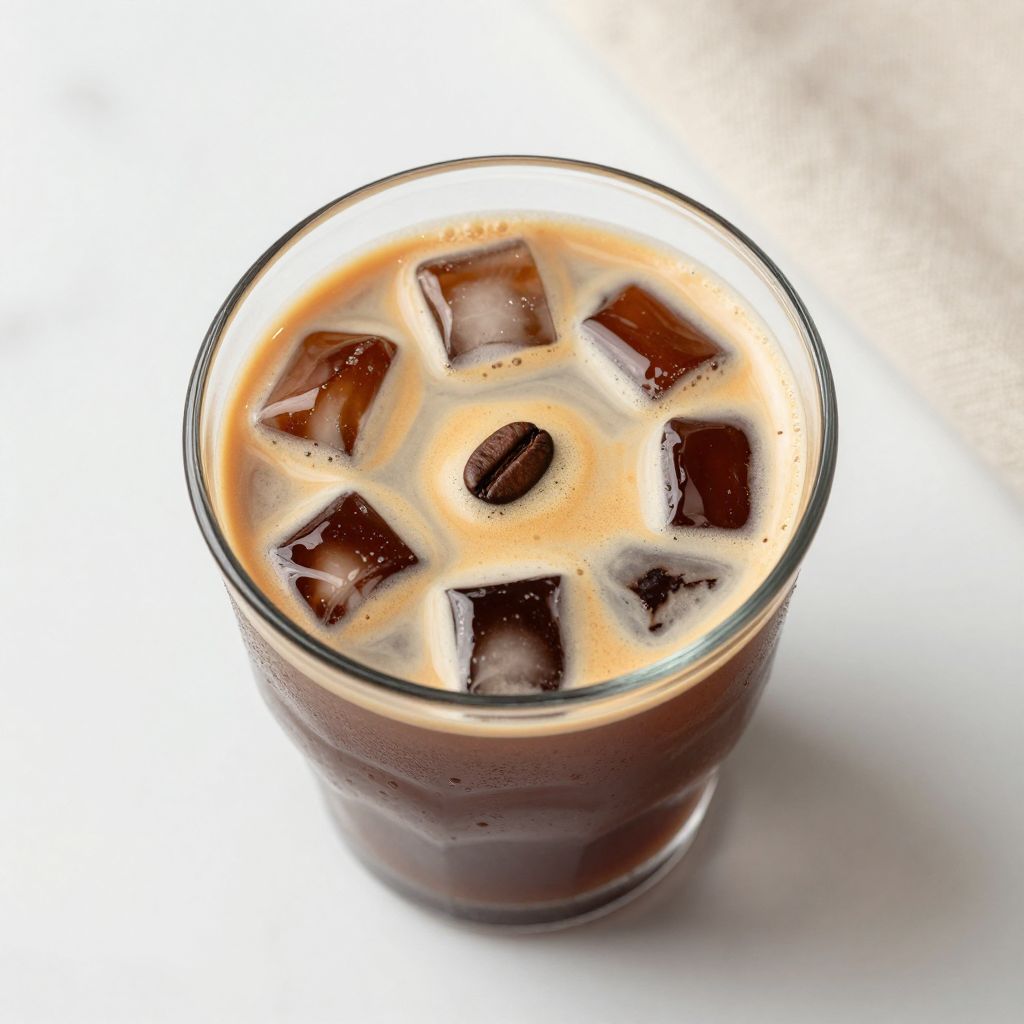
The drink should have a visible layer of light, creamy foam on top from the shaking.
Step 8: Serve Immediately
Serve your freddo espresso right away while it’s coldest and the foam is still visible. The foam will gradually settle if you wait too long, so the experience is best enjoyed immediately after making it.
Add a stirring spoon if you like, and sip slowly to enjoy that balance of cold, creamy texture and bold espresso flavor.
Pro Tip: The length and intensity of your shake determines the texture; aim for 10 to 15 seconds of hard shaking to get that silky, slightly foamy result that separates a real freddo espresso from just cold coffee.
Tips for the Best Freddo Espresso
- Use fresh espresso beans roasted within the last two to three weeks, as older beans lose their natural oils and crema, which are essential for texture and flavor.
- Keep your shaker, glass, and ice very cold beforehand by pre-chilling them in the freezer for a few minutes; a cold shaker maintains the temperature better during shaking.
- Pull your espresso immediately before shaking so the heat helps dissolve sugar and the natural crema is still intact and hasn’t settled.
- Invest in quality ice or make ice from filtered water at home; tap water ice can taste flat or slightly off in a delicate drink like this.
- Don’t over-shake past 15 seconds, or too much ice melts and the drink becomes watery; the goal is to chill and aerate, not to dilute.
- Experiment with the sugar-to-espresso ratio based on your bean’s natural sweetness; darker roasts may need less added sugar.
Common Mistakes to Avoid
- Using old espresso that’s lost its crema: the foam and oils are crucial for that smooth mouthfeel, so always use freshly pulled shots.
- Shaking too briefly or too gently: less than 10 seconds won’t create enough emulsion, and you’ll get a thin, separated drink instead of something silky.
- Adding hot espresso to a room-temperature shaker: the drink won’t chill fast enough, and the melting ice will dilute it before shaking finishes.
- Forgetting to strain the ice shards: large chunks of ice in your glass will keep diluting the drink as they melt, watering down each sip.
- Making the drink and waiting before serving: the foam collapses and the drink warms up quickly, so serve immediately for the best texture and temperature.
Serving Suggestions
A freddo espresso is the perfect pick-me-up on its own, but pairing it with food makes it even better. Consider what brings out the best in that bold, chilled espresso flavor.
- Serve alongside a buttery pastry like a croissant or cornetto for an Italian cafe experience at home.
- Pair with vanilla biscotti or almond cookies to add a subtle sweetness that complements the coffee’s bitterness.
- Enjoy after a light lunch as a refreshing afternoon boost that won’t feel too heavy.
- Combine with a gelato for a frozen coffee experience, or drizzle some melted gelato into the drink for extra richness.
- Serve on a warm afternoon as a sophisticated alternative to regular iced coffee.
Variations to Try
- Freddo Cappuccino: Increase the milk to 3 to 4 tablespoons and add a touch of vanilla extract for a creamier, dessert-like version that feels indulgent and smooth.
- Hazelnut Freddo: Add 1/2 teaspoon of hazelnut syrup or hazelnut liqueur before shaking to create a nutty, aromatic twist that pairs beautifully with espresso.
- Chocolate Freddo: Mix 1/2 teaspoon of cocoa powder or chocolate syrup into the espresso before shaking for a mocha-style freddo that tastes like cold chocolate coffee.
- Almond Freddo: Use almond milk instead of regular milk and add a tiny pinch of almond extract to create a lighter, nuttier variation.
- Caramel Freddo: Substitute the granulated sugar with 1/2 teaspoon of caramel syrup for a deeper sweetness and slight complexity.
Dietary Adaptations
- Gluten-free: A freddo espresso is naturally gluten-free if you use pure espresso beans and avoid any flavored syrups that contain gluten; always check syrup labels if adding them.
- Dairy-free: Replace evaporated milk with oat milk, almond milk, or coconut milk, which froth similarly when shaken and create a creamy texture without dairy.
- Vegan: Use any plant-based milk and ensure your sugar is vegan (some refined sugars use bone char in processing); agave or maple syrup work as sweeteners too.
- Low-carb or keto: Use a zero-calorie sweetener like stevia or erythritol instead of sugar, and opt for unsweetened almond or coconut milk to keep carbs minimal.
Storage and Reheating
Refrigerator
A freddo espresso is best consumed immediately after making it, but you can store leftover espresso in an airtight container in the fridge for up to 24 hours. The texture and foam won’t remain once it’s been shaken and poured, so freshness is key to the full experience.
- Store leftover espresso separately from ice to prevent over-dilution.
- If you want to save the drink itself, keep it covered in the coldest part of your fridge, though it will separate and lose its creamy texture.
Freezer
Freezing a freddo espresso isn’t recommended, as the texture will degrade and you’ll end up with an icy, unpleasant drink rather than something smooth. If you want a frozen coffee drink, it’s better to make a separate frozen espresso or affogato.
- You can freeze leftover espresso in ice cube trays to use later in other cold coffee drinks.
Reheating
Don’t reheat a freddo espresso, as it defeats the entire purpose of this chilled drink. If you want warm coffee, make a regular espresso shot instead.
- Cold leftover espresso can be poured over fresh ice and reshaken to recreate the drink, though the crema will be less vibrant.
Nutrition Information
| Nutrient | Amount |
|---|---|
| Calories | 15 |
| Total Fat | 0.5 grams |
| Saturated Fat | 0 grams |
| Carbohydrates | 3 grams |
| Fiber | 0 grams |
| Sugar | 2 grams |
| Protein | 0.5 grams |
| Sodium | 5 milligrams |
| Cholesterol | 0 milligrams |
These values assume the basic recipe with no milk added. If you add evaporated milk or any sweetened syrups, the calorie and sugar content will increase slightly.
Frequently Asked Questions
Can I make a freddo espresso without an espresso machine?
You can use a Moka pot, AeroPress, or very strong brewed coffee in a pinch, though you won’t get the same crema or smooth mouthfeel. The espresso machine’s pressure is what creates that signature silky texture, so the drink won’t be quite as authentic.
Why is my freddo espresso watery and separated?
This usually means you didn’t shake hard or long enough, or the ice was too warm when you started. Aim for a full 10 to 15 seconds of vigorous shaking, and make sure your shaker and ice are very cold beforehand.
Can I make a freddo espresso ahead of time?
No, a freddo espresso must be made fresh and served immediately to preserve the foam and creamy texture. Once the foam settles or the drink warms up, the experience is lost.
What’s the difference between a freddo espresso and a freddo cappuccino?
A freddo espresso is espresso shaken with ice and minimal milk, while a freddo cappuccino has more milk (usually 3 to 4 tablespoons) and is creamier and more dessert-like. Both use the same shaking technique.
Should I add sugar if my espresso beans are already sweet?
Taste the drink first before adding sugar; light and medium roasts have more inherent sweetness, while dark roasts are more bitter and benefit from added sugar. You can always adjust the amount based on your preference.
What type of milk works best for a freddo cappuccino?
Evaporated milk creates the best texture because it’s thicker and doesn’t separate easily, but whole milk, oat milk, and almond milk all work. Avoid skim milk, which tends to separate and doesn’t froth as well.
Final Thoughts
A freddo espresso is one of those drinks that feels fancy but is incredibly simple once you understand the technique. The shaking is what separates a cafe-quality drink from a mediocre one, so invest those 15 seconds of vigorous effort and you’ll taste the difference immediately.
Make one on your next hot afternoon and you’ll understand why this Italian iced coffee has become a warm-weather essential around the world. Once you nail the basic recipe, explore variations like a freddo cappuccino or try adding your favorite syrups to keep things interesting.
If you want to expand your iced coffee game even further, check out our guide to making a hazelnut shaken espresso for another delicious chilled coffee option. The same shaking technique applies, so once you’ve mastered the freddo, you’re ready to explore other cold coffee drinks with confidence.
Freddo Espresso
Ingredients
Equipment
Method
- Pull two shots of espresso (about 2 ounces or 60 milliliters) directly into your cocktail shaker.
- Add about 8 to 10 ice cubes to the shaker with the hot espresso immediately.
- Sprinkle in 1/2 to 1 teaspoon sugar while the espresso is still warm and stir briefly to dissolve.
- Add 1 to 2 tablespoons of evaporated milk or whole milk to the shaker if desired.
- Seal the cocktail shaker tightly to prevent leaks.
- Shake the mixture vigorously for 10 to 15 seconds until the shaker is cold and the drink is aerated.
- Strain the mixture into a tall glass using the shaker’s built-in strainer, allowing any ice shards to fall in.
- Serve immediately while the foam is still visible on top.