
Picture this: a warm cup of tea that tingles your taste buds and warms your soul. The Fermented Ginger Tea is not just a drink; it’s an experience that brings comfort and a touch of nostalgia, reminiscent of cozy afternoons spent with loved ones. This recipe is special because it infuses the bold flavor of ginger with a delightful effervescence, thanks to fermentation. The result is a refreshing beverage that is both invigorating and soothing, making it perfect for any time of year.
Why You’ll Love This Recipe
This ginger tea is a perfect blend of health benefits and flavor that you won’t be able to resist.
- Deliciously spicy with a hint of sweetness.
- Easy to make with minimal ingredients.
- Supports digestion and boosts immunity.
- Can be enjoyed hot or cold.
- Customizable with additional flavors like lemon or honey.
My Experience Making This Recipe
When I first tried making Fermented Ginger Tea, I was amazed by how simple the process was. The aroma of fresh ginger filled my kitchen, and I found myself eagerly awaiting the fermentation process.
After just a few days, the first sip was pure bliss. The spicy notes of ginger combined with the light fizz created a refreshing drink that I knew I would be making regularly.
Recipe Overview
- Recipe Name: Fermented Ginger Tea
- Servings: 4
- Prep Time: 15 minutes
- Cook Time: 0 minutes
- Total Time: 5 days
- Course: Beverage
- Cuisine: Global
- Calories per Serving: 15
Equipment You Will Need
- Glass jar with a lid
- Grater or food processor
- Fine mesh strainer
- Measuring cups and spoons
- Wooden spoon
Ingredients for Fermented Ginger Tea
- Fresh ginger – 1 cup, grated
- Sugar – 1/2 cup (can use cane sugar or coconut sugar)
- Water – 4 cups, filtered
- Tea bags – 2 (black or green tea works well)
- Optional: Lemon slices, mint leaves, or honey for serving
Ingredient Notes and Substitutions
- Fresh ginger: Used for its bold flavor and health benefits. You can substitute with ginger paste if fresh is unavailable.
- Sugar: Important for fermentation. You can use honey as a substitute, but it may alter the fermentation time.
- Water: Filters out impurities for better taste. Tap water can be used, but filtered is preferred.
- Tea bags: Adds depth to the flavor. You can skip this for a pure ginger experience.
How to Make Fermented Ginger Tea
Step 1: Prepare the Ginger
Grate the fresh ginger using a grater or food processor. This helps release its natural oils and flavors.
Step 2: Combine Ingredients
In a large glass jar, combine the grated ginger, sugar, and water. Stir well with a wooden spoon until the sugar dissolves completely.
Step 3: Add the Tea
Place the tea bags in the mixture and let it steep for about 10 minutes. This infuses the ginger water with an extra layer of flavor.
Step 4: Remove the Tea Bags
After steeping, remove the tea bags and discard them. You want the focus to be on the ginger taste.
Step 5: Seal and Store
Cover the jar loosely with the lid or use a cloth secured with a rubber band. This allows the mixture to breathe during fermentation.
Step 6: Let it Ferment
Place the jar in a warm, dark area for about 3 to 5 days. Taste it daily to check for the desired tanginess and fizz.
Step 7: Strain the Tea
Once fermented to your liking, strain the liquid through a fine mesh strainer into another container. This removes the ginger pulp and leaves you with clear tea.
Step 8: Chill and Serve
Refrigerate the strained tea for a few hours to chill. Serve it over ice with optional lemon slices or mint for a refreshing drink.
Pro Tip: Taste the tea as it ferments. This way, you can catch it at the perfect level of tang and fizz!
Tips for the Best Fermented Ginger Tea
- Use fresh ginger for the best flavor; dried ginger lacks the same punch.
- Ensure all equipment is clean to avoid unwanted bacteria during fermentation.
- Adjust the sugar based on your sweetness preference; more sugar can lead to fizzier tea.
- Ferment in a warm spot, ideally between 70°F to 75°F for optimal results.
- Experiment with different types of tea for unique flavor profiles.
Common Mistakes to Avoid
- Skipping the sugar: This is crucial for fermentation; without it, your tea won’t ferment properly.
- Using tap water with chlorine: This can inhibit fermentation; always opt for filtered water.
- Sealing the jar too tightly: Gas needs to escape during fermentation, so use a loose lid.
- Not tasting periodically: Each batch can ferment differently, so tasting ensures you catch it at the right time.
Serving Suggestions
This tea pairs beautifully with a variety of snacks and meals. Here are some great pairing ideas:
- Spicy Asian dishes
- Light salads with citrus dressing
- Fresh fruit platters
- Lightly sweet pastries
- Cheese and cracker boards
Variations to Try
- Add slices of lemon for a zesty twist that balances the ginger heat.
- Incorporate mint leaves during fermentation for a refreshing herbal note.
- Mix in a touch of honey after fermentation for natural sweetness.
- Try adding turmeric for an anti-inflammatory boost and a vibrant color.
- Experiment with different spices like cinnamon for a warm flavor profile.
Dietary Adaptations
- Gluten-free: This recipe is naturally gluten-free, perfect for those with sensitivities.
- Dairy-free: No dairy ingredients are used, making it suitable for all diets.
- Vegan/Vegetarian: All ingredients are plant-based, making it a great choice for vegans.
- Low-carb/keto: Substitute sugar with a keto-friendly sweetener for a low-carb option.
Storage and Reheating
Refrigerator
Store the tea in an airtight container in the fridge for up to two weeks.
- Keep it chilled for a refreshing drink.
- Shake before serving to mix the natural sediments.
Freezer
For longer storage, freeze the tea in ice cube trays.
- Once frozen, transfer the cubes to a freezer bag for up to six months.
- Use these cubes to chill other beverages without watering them down.
Reheating
Reheat by warming in a pot over low heat, but avoid boiling to preserve the flavors.
- Stir gently to avoid burning.
- Add honey or lemon before serving for extra flavor.
Nutrition Information
| Nutrient | Amount |
|---|---|
| Calories | 15 |
| Total Fat | 0g |
| Saturated Fat | 0g |
| Carbohydrates | 4g |
| Fiber | 0g |
| Sugar | 4g |
| Protein | 0g |
| Sodium | 0mg |
| Cholesterol | 0mg |
This nutritional information is approximate and may vary based on ingredient brands and measurements.
Frequently Asked Questions
Can I use dried ginger instead of fresh?
Using dried ginger is possible, but fresh ginger provides a stronger flavor and better health benefits.
How can I make this tea ahead of time?
You can prepare the tea and let it ferment a few days before serving, but keep it refrigerated afterward.
Can I store the tea after fermentation?
Yes, store the fermented tea in the fridge for up to two weeks for best flavor.
What if my tea doesn’t ferment?
If your tea doesn’t ferment, it may be due to insufficient sugar or low temperatures; ensure proper conditions next time.
Can I add other flavors during fermentation?
Absolutely! Feel free to experiment with herbs or citrus slices for unique flavors.
Final Thoughts
Making Fermented Ginger Tea is a delightful experience that can easily become part of your routine. The unique taste and health benefits make it worth the effort, and you might just find yourself looking forward to each batch.
So why not give it a try? You might find a new favorite beverage that brings joy to your day. And if you’re curious about other ginger beverages, check out this fermented ginger beer recipe or a soothing ginger lemon honey tea recipe for a cozy twist.
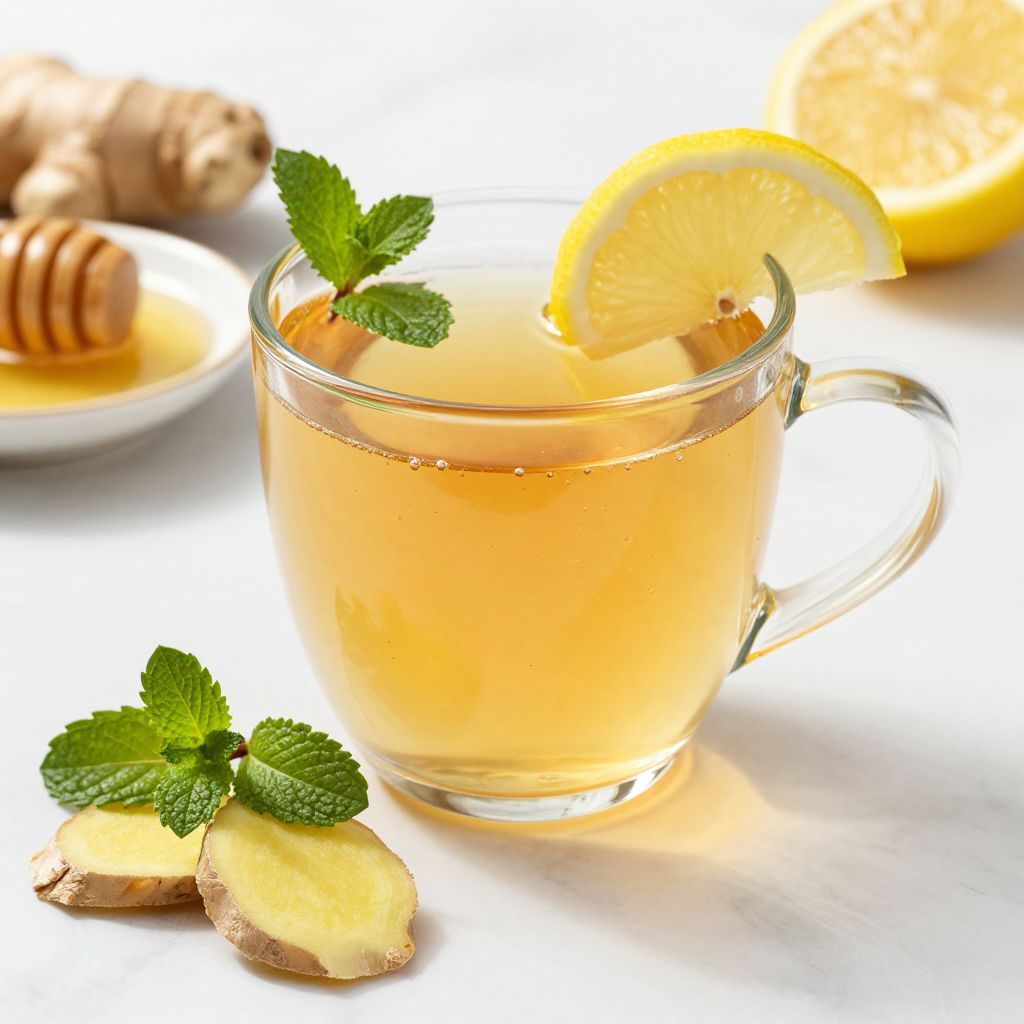
Fermented Ginger Tea
Ingredients
Equipment
Method
- Grate the fresh ginger using a grater or food processor.
- In a large glass jar, combine the grated ginger, sugar, and filtered water. Stir well with a wooden spoon until the sugar dissolves completely.
- Place the tea bags in the mixture and let it steep for about 10 minutes.
- After steeping, remove the tea bags and discard them.
- Cover the jar loosely with the lid or use a cloth secured with a rubber band to allow the mixture to breathe.
- Place the jar in a warm, dark area for about 3 to 5 days, tasting daily for desired tanginess.
- Once fermented, strain the liquid through a fine mesh strainer into another container.
- Refrigerate the strained tea for a few hours to chill. Serve over ice with optional lemon slices or mint.