
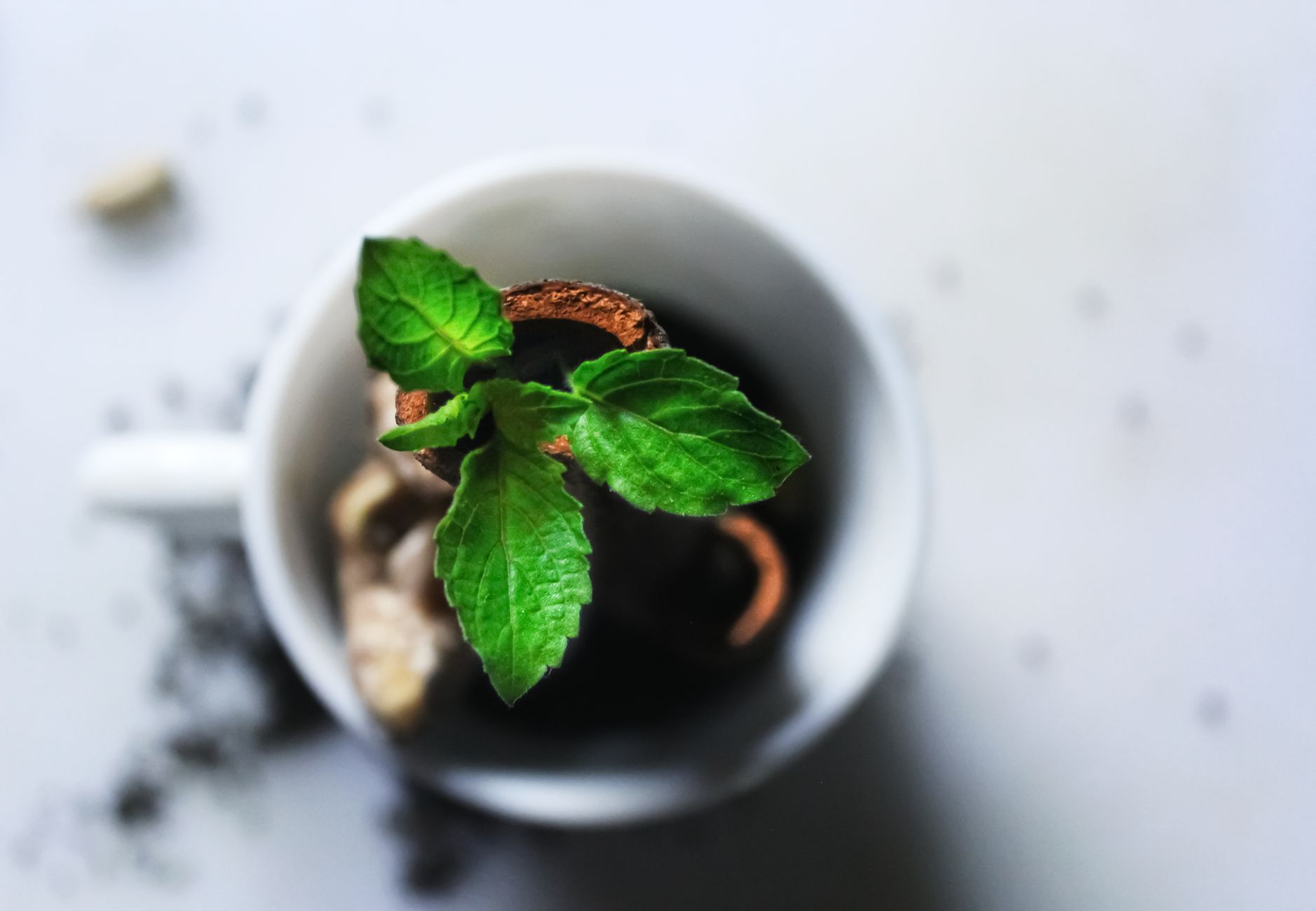
Peppermint tea has been a popular remedy for various digestive issues, notably nausea. With its refreshing flavor and soothing aroma, many people turn to this herbal tea as a method of relief. But does it really help with nausea? Exploring the properties of peppermint tea can provide valuable insights into its effectiveness and how to best utilize it when feeling queasy.
This article will delve into the benefits of peppermint tea for nausea, how it works in the body, and explore practical ways to prepare and enjoy it. You’ll also find helpful tips for making peppermint tea from scratch, which could enhance your relief from nausea.
Does Peppermint Tea Help With Nausea?
Peppermint tea is known to help alleviate nausea primarily due to its active compounds like menthol. These compounds can help relax the muscles of the gastrointestinal tract, promoting smoother digestion and potentially reducing feelings of nausea. Additionally, the aroma of peppermint is thought to have calming effects that may contribute to its nausea-relieving properties.
Understanding Nausea
Nausea is often a symptom of various underlying conditions ranging from motion sickness to digestive disorders. It is typically characterized by an unsettling feeling in the stomach, which may lead to vomiting. Identifying the cause of nausea is essential for effective treatment. Some common causes include:
- Morning sickness during pregnancy
- Motion sickness from travel
- Food poisoning or intolerance
- Gastroenteritis and other digestive issues
- Medications and treatment side effects
How Does Peppermint Tea Work?
The effectiveness of peppermint tea for nausea primarily stems from its menthol content. When consumed, menthol can:
- Relax the smooth muscles of the intestines, reducing spasms that might trigger nausea.
- Enhance bile flow, which supports digestion and can alleviate nausea associated with digestive issues.
- Act as a mild analgesic, potentially mitigating discomfort associated with nausea.
- Stimulate saliva and digestive juices, promoting better digestion overall.
In addition to its physical benefits, the aroma of peppermint is known to have calming effects on the mind, helping to relieve the stress that can accompany nausea. Simple inhalation of peppermint’s scent can relieve an upset stomach without consuming the tea itself.
The Science Behind Peppermint Tea and Nausea
Several studies support the use of peppermint for nausea. One such study highlights that inhaling peppermint oil can significantly reduce the sensation of nausea in patients undergoing chemotherapy. Another study showed that peppermint oil capsules were effective at reducing postoperative nausea and vomiting.
These studies indicate that the benefits of peppermint can extend beyond its flavor, as it may elicit physiological responses that combat nausea effectively. However, individual responses to peppermint can vary, and it is always important to consult with healthcare professionals, especially during significant health issues.
Preparing Peppermint Tea
Making peppermint tea can be a delightful process, and fresh peppermint leaves can elevate the experience. Below is a simple and effective method for preparing peppermint tea:
Ingredients
- 1 cup of water
- 1-2 tablespoons of fresh peppermint leaves (or 1 tea bag of dried peppermint)
- Honey or lemon (optional for taste)
Essential Equipment
- Small pot or kettle
- Tea strainer (if using loose leaves)
- Cup or mug
Instructions
- Bring the water to a boil in a small pot or kettle.
- Remove the pot from heat, and add the fresh peppermint leaves or the tea bag to the water.
- Cover and steep for 5-10 minutes, depending on how strong you prefer the flavor.
- If using fresh leaves, strain the tea into a cup. If using a tea bag, simply remove it.
- Add honey or lemon if desired, and enjoy your peppermint tea while warm.
Common Variations of Peppermint Tea
While plain peppermint tea is delicious and effective, you can experiment with additional ingredients for enhanced flavor and benefits. Consider these popular variations:
- Peppermint Ginger Tea: Combine fresh ginger slices with peppermint leaves for an added layer of flavor and extra digestive benefits.
- Peppermint Lemonade: Add fresh lemon juice and a touch of honey to create a refreshing iced drink suitable for nausea.
- Peppermint Lavender Tea: Infuse dried lavender with peppermint for a soothing floral note that promotes relaxation.
Peppermint Tea Tips and Troubleshooting
To maximize the benefits of peppermint tea and avoid common pitfalls, consider the following tips:
- Use fresh peppermint leaves for the best flavor; they are available at grocery stores, farmers’ markets, or even grown in your home garden.
- Store fresh leaves in the refrigerator, wrapped in damp paper towels, for a few days to retain freshness.
- Be cautious with peppermint tea if you have gastroesophageal reflux disease (GERD), as it can relax the esophageal sphincter and worsen symptoms.
- If using peppermint essential oil, ensure it is food-grade and only use a drop or two in hot water, as it is much more concentrated.
Is Peppermint Tea Safe for Everyone?
Generally, peppermint tea is safe for most people when consumed in moderation. However, there are some considerations:
- Pregnant Women: While peppermint is often safe, it is advisable to consult a healthcare provider before using it regularly during pregnancy.
- Infants and Young Children: Aromatic herbs like peppermint may not be suitable for very young children. Speak with a pediatrician before offering it to them.
- Medications: Peppermint may interact with certain medications, particularly those for acid reflux and antacids. Always consult with a healthcare professional if you are on medication.
Incorporating Peppermint into Your Diet
Beyond tea, peppermint can be a versatile ingredient that enhances the flavor of various dishes. Here are some fun ideas to incorporate peppermint into your meals:
- Peppermint Smoothies: Add a few fresh mint leaves to your favorite smoothie recipes for a refreshing twist.
- Peppermint Yogurt: Mix finely chopped peppermint into yogurt along with honey for a tasty dip or snack.
- Salads: Toss fresh mint leaves into salads for an invigorating flavor that complements fruits and vegetables.
Conclusion
Peppermint tea has proven to be a natural remedy for alleviating nausea, largely due to its soothing properties and refreshing taste. Adequately preparing and enjoying peppermint tea can offer comfort during bouts of nausea or digestive discomfort. Whether enjoyed in its classic form or as part of creative variations, peppermint tea is a delightful and beneficial addition to your wellness routine.
For more delightful beverage recipes, check out our peppermint tea recipe or explore the delicious ginger lemon honey tea recipe for an extra kick of flavor and comfort.