
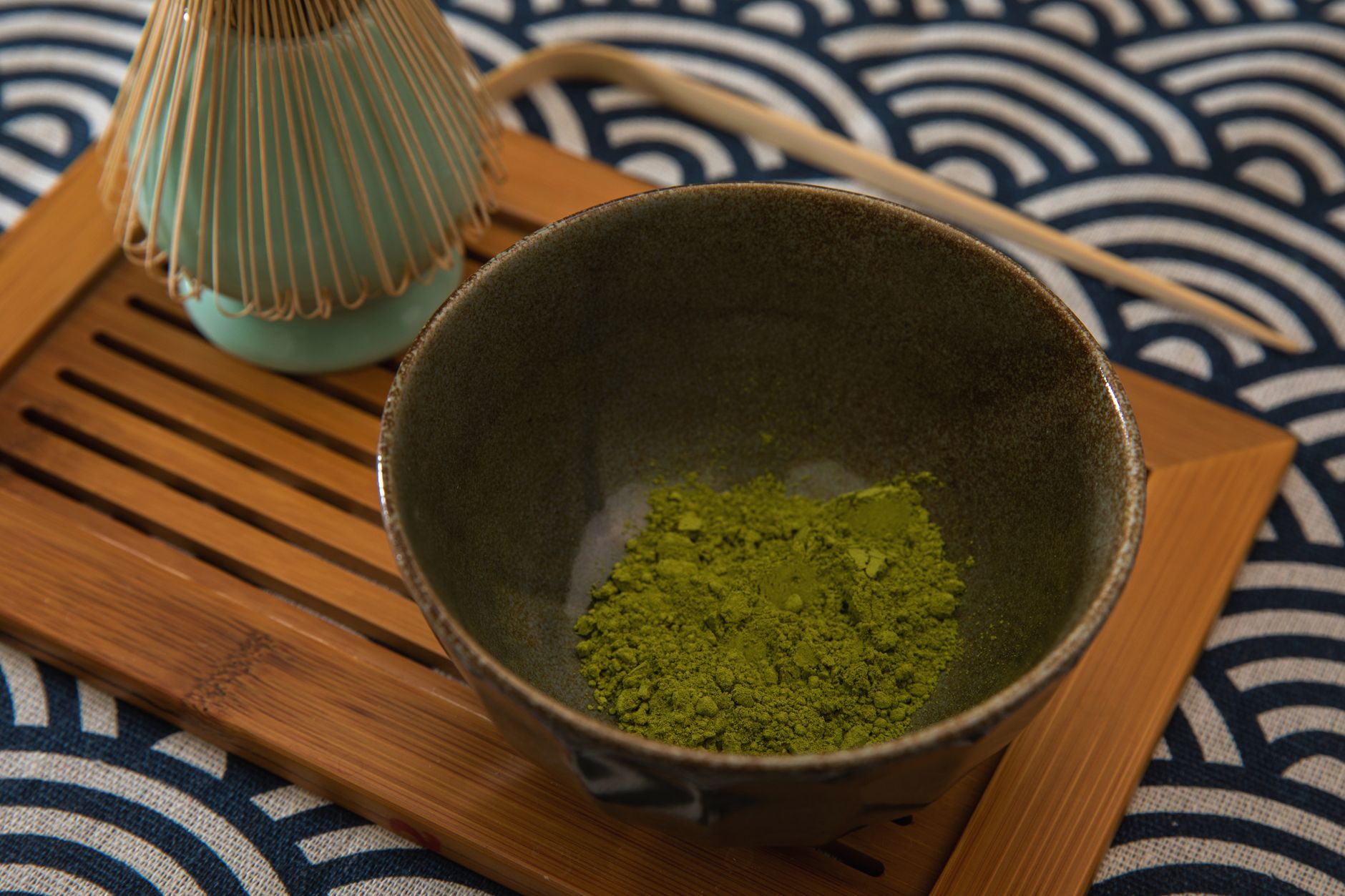
Matcha, a finely ground powder made from specially grown and processed green tea leaves, has surged in popularity over recent years due to its vibrant flavor and health benefits. As a staple in various culinary creations, from lattes to desserts, many wonder about its nutritional profile, particularly concerning fiber content.
This guide explores whether matcha contains dietary fiber, its potential health benefits, ways to incorporate it into your diet, and even examines some delicious recipes that highlight matcha’s unique flavor.
Does Matcha Have Fiber?
Yes, matcha does contain fiber, although in small quantities. Typically, one serving of matcha (about 1 teaspoon or 2 grams) provides roughly 0.5 grams of dietary fiber. While this may not seem substantial, incorporating matcha into your diet contributes to your overall fiber intake alongside potential antioxidant benefits.
Understanding Fiber and Its Importance
Dietary fiber is a crucial component of a healthy diet, known for aiding digestion and promoting gut health. It can be categorized into two types: soluble and insoluble fiber. Soluble fiber dissolves in water and can help regulate blood sugar levels, while insoluble fiber adds bulk to stools and aids in digestion.
Most people fall short of the recommended daily fiber intake, which is around 25 grams for women and 38 grams for men. Therefore, incorporating sources of fiber, like matcha, can help achieve these goals, even if modestly.
How Matcha Is Made
Matcha is made from shade-grown tea leaves known as Tencha. These leaves are harvested, steamed to prevent oxidation, and then dried. Once dried, they are ground into a fine powder using traditional stone mills. This process allows matcha to retain its vibrant green color and nutrient profile, including antioxidants, vitamins, and minerals.
The Nutritional Profile of Matcha
A typical serving of matcha (1 teaspoon or 2 grams) usually includes:
- Calories: 5
- Protein: 0.5 grams
- Fat: 0 grams
- Carbohydrates: 1 gram
- Fiber: 0.5 grams
- Antioxidants: High
- Caffeine: About 30 mg
This balanced profile indicates that while matcha is not a significant fiber source, it boasts other valuable nutrients like antioxidants and caffeine.
Health Benefits of Matcha
Matcha is celebrated not only for its unique flavor but also for its potential health benefits. Here are several reasons to consider including matcha in your diet:
- Rich in Antioxidants: Matcha contains high levels of catechins, particularly EGCG, which may help protect cells from damage.
- Boosts Metabolism: Some studies suggest that matcha can help increase metabolic rate, leading to more calories burned.
- Enhances Focus: The caffeine and amino acid L-theanine in matcha provide a calm, alert focus without the jitters often associated with caffeine.
- Supports Heart Health: Regular consumption of matcha may contribute to lower cholesterol levels and improved heart health.
- Detoxifying Properties: The chlorophyll in matcha may aid in detoxifying the body by helping to eliminate heavy metals and toxins.
How to Incorporate Matcha into Your Diet
There are myriad ways to include matcha in your daily routine, from traditional tea preparation to innovative recipes. Here are some practical tips:
1. Matcha Tea
The most authentic way to enjoy matcha is in tea form. Simply whisk 1 teaspoon of matcha powder with hot water (not boiling) using a bamboo whisk or frother. Aim for a creamy, frothy texture.
2. Matcha Lattes
Combine matcha with steamed milk or a milk alternative for a creamy beverage. Sweeten to taste with honey or agave for an extra layer of flavor. For an exciting twist, try a lavender matcha latte.
3. Smoothies and Energy Bowls
Add matcha powder to smoothies for an extra nutritional punch. Pair it with fruits like bananas, spinach, and almond milk for a refreshing, energizing drink.
4. Baking
Incorporate matcha into baking recipes, making everything from cookies to cakes vibrant and flavorful. It’s a delightful addition to muffins, pancakes, and quick bread.
5. Homemade Desserts
Use matcha in desserts like panna cotta, cheesecake, or cookies. The unique flavor of matcha pairs beautifully with sweet elements, giving treats a distinct color and taste.
Matcha Recipe Ideas
Here are a few delicious recipes that utilize matcha and add fiber and flavor to your meals:
Matcha Chia Seed Pudding
This delightful dish is both a healthy breakfast and a satisfying snack. Chia seeds are rich in fiber, making them an excellent complement to matcha. This recipe yields about 2 servings.
Ingredients:
- 2 tablespoons chia seeds
- 1 cup almond milk (or any milk of your choice)
- 1 teaspoon matcha powder
- 1 tablespoon honey or maple syrup (optional)
- Fresh fruit for topping (optional)
Method:
- In a bowl, whisk together chia seeds, almond milk, matcha powder, and sweetener if using.
- Cover the mixture and refrigerate for at least 4 hours, preferably overnight, to allow the chia seeds to absorb the liquid and thicken.
- Before serving, stir well and add your favorite fresh fruits as a topping.
Matcha Banana Muffins
These muffins offer a nutritious option for breakfast or a snack while providing the benefits of both matcha and fiber-rich bananas. This recipe yields about 12 muffins.
Ingredients:
- 1 ½ cups whole wheat flour
- 1 teaspoon baking powder
- ½ teaspoon baking soda
- ¼ teaspoon salt
- 1 teaspoon matcha powder
- 1 cup mashed ripe bananas (about 2 large bananas)
- ½ cup honey or maple syrup
- ⅓ cup coconut oil, melted
- 2 eggs
- 1 teaspoon vanilla extract
Method:
- Preheat your oven to 350°F (175°C) and line a muffin tin with paper liners.
- In a bowl, mix flour, baking powder, baking soda, salt, and matcha powder. Set aside.
- In another bowl, combine the bananas, honey, coconut oil, eggs, and vanilla extract.
- Gradually incorporate the dry ingredients into the wet mixture until just combined.
- Distribute the batter evenly into the muffin liners.
- Bake for 18-20 minutes or until a toothpick comes out clean. Allow to cool before serving.
Common Mistakes When Using Matcha
While incorporating matcha into recipes is straightforward, there are common errors that can affect flavor and texture.
- Using Boiling Water: Never use boiling water; it can make matcha taste bitter. Aim for water just below boiling, around 175°F (80°C).
- Not Sifting the Powder: Matcha tends to clump. Sifting it before whisking can help achieve a smoother texture.
- Over Whisking: Whisking too aggressively can create a frothy mixture, but it may also lead to bubbles that affect the appearance.
Storage Tips for Matcha
To maintain matcha’s freshness and flavor, stored properly is essential. Here are some storage guidelines:
- Keep matcha in an airtight container to prevent oxidation.
- Store it in a cool, dark place, away from direct sunlight and heat.
- Consider refrigeration for long-term storage, but ensure it’s sealed tightly to prevent moisture absorption.
Conclusion
Matcha is a versatile ingredient that provides a touch of green goodness to various dishes while contributing small amounts of fiber. Its unique flavor and health benefits make it a worthy addition to anyone’s diet. From soothing tea to delightful treats, the uses are endless. Next time you’re looking for ways to boost your meals, consider matcha.
Explore related recipes and tips, such as our strawberry matcha recipe or learn how to make a lavender matcha latte. Both offer delicious ways to enjoy matcha beyond the traditional cup of tea.