
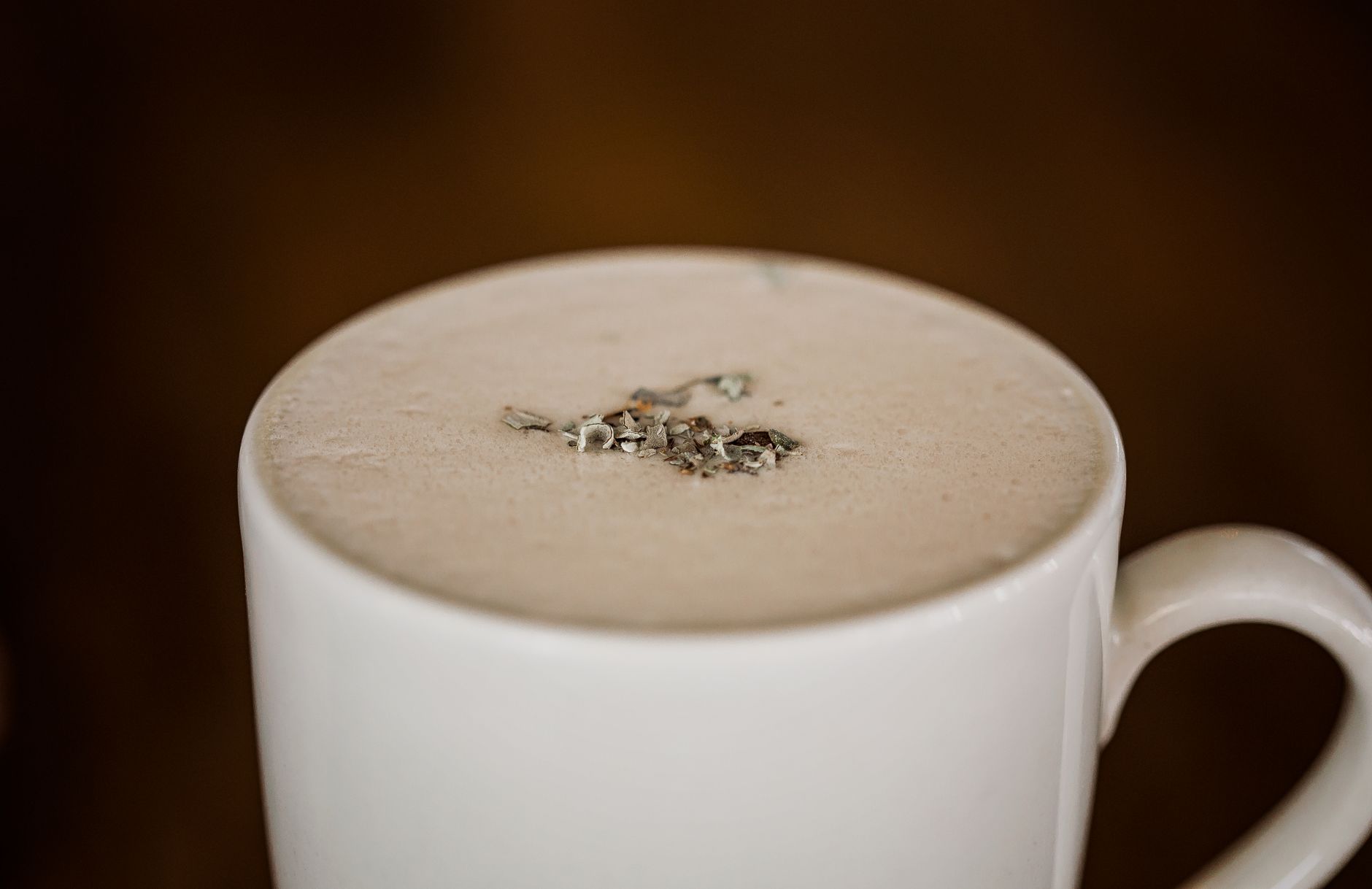
Chai latte is a popular beverage that blends traditional Indian masala chai and Western coffee culture, offering a deliciously spiced and creamy drink. This cozy drink, perfect for both cold and warm months, is a delightful way to enjoy the aromatic spices of India paired with the comforting richness of steamed milk.
As we explore what a chai latte is, we’ll delve into its components, preparation methods, variations, and tips for creating the perfect cup at home. Whether you’re a beginner or a seasoned pro, this guide will help you make the most of your chai experience.
What Is A Chai Latte?
A chai latte is a spiced tea drink that combines brewed masala chai with steamed milk, typically topped with a light foam. The term “chai” translates to “tea” in Hindi, and “masala” refers to the blend of spices used. This delicious drink is characterized by its unique flavor profile, which balances the warmth of spices like cinnamon, ginger, and cardamom with the creaminess of milk.
Key Ingredients in a Chai Latte
To make a traditional chai latte, you’ll need a few key ingredients. Here’s a detailed list:
- Tea Leaves: Loose-leaf black tea or tea bags work well.
- Spices: Common spices include cardamom, cinnamon, ginger, cloves, and black pepper.
- Sweetener: Sugar, honey, or alternative sweeteners can be added according to taste.
- Milk: Any type of milk can be used; whole, oat, almond, or soy milk are popular choices.
Preparation Methods
Making a chai latte involves several steps, from brewing the tea to frothing the milk. Below is a simple method to make a classic chai latte.
Yield and Timing
This recipe yields one serving with an estimated preparation time of 10 minutes and a total cooking time of 5 minutes.
Equipment Needed
- Pot or saucepan
- Whisk or frother (for frothing milk)
- Strainer (if using loose tea)
- Cup or mug
Chai Latte Recipe
- Start by combining 1 cup of water with 1 tablespoon of black tea leaves or 1 tea bag in a saucepan. Add your desired spices — typically 2 pods of crushed cardamom, 1 stick of cinnamon, and a small slice of fresh ginger (about half an inch).
- Bring the mixture to a boil over medium heat, then reduce the heat and let it simmer for 5 minutes. This will allow the flavors to infuse.
- After simmering, strain the tea mixture into a separate cup or mug to remove the tea leaves and spices.
- Add 1 cup of your milk of choice to the saucepan and heat it on medium to medium-low until steaming, being careful not to let it boil.
- Once the milk is heated, use a whisk or frother to froth the milk until it’s light and fluffy.
- Pour the frothed milk over the brewed tea. Sweeten to taste with sugar, honey, or your preferred sweetener.
- Garnish with a sprinkle of cinnamon or a dash of extra spices, if desired, and enjoy your warm chai latte!
Popular Variations of Chai Latte
Chai lattes can be customized in various ways. Here are some popular variations you might enjoy:
- Dirty Chai Latte: Add a shot of espresso to your chai latte for an extra caffeine kick.
- Iced Chai Latte: Brew your chai, let it cool, and then mix it with cold milk over ice for a refreshing variant.
- Vanilla Chai Latte: Incorporate a splash of vanilla syrup for a sweet touch.
- Gingerbread Chai Latte: Use gingerbread spices or syrup for a festive flavor during the holidays.
Practical Tips for the Perfect Chai Latte
To elevate your chai latte experience, consider these helpful tips:
- Use Fresh Spices: Freshly ground spices will enhance the flavor of your chai. Consider using a spice grinder for optimal freshness.
- Milk Alternatives: Experiment with different types of milk, such as oat or cashew milk, to find your preferred texture and taste.
- Sweetness Level: Adjust the sweetness by starting with less sugar and adding more to taste. Natural sweeteners can also add different flavors.
- Experiment with Ratios: If the chai flavor is too strong or the milk too weak, adjust the ratios to suit your palate.
- Pre-make Chai Concentrate: Make a large batch of chai tea concentrate, which can be stored in the refrigerator for up to a week. Just add milk as needed.
Common Mistakes to Avoid
When making a chai latte, be mindful of these common pitfalls:
- Overboiling the Milk: Boiling milk can lead to a grainy texture. Heat it until it’s steaming but not boiling.
- Skipping the Simmer: Allowing the chai mixture to simmer for enough time is crucial for flavor extraction.
- Not Adjusting Spice Levels: Each person has a different spice tolerance. Taste your brew and adjust as needed.
Storage and Reheating Recommendations
If you have leftover chai concentrate, store it in an airtight container in the refrigerator for up to one week. To reheat, simply warm it on the stove while avoiding a boil. For reheating milk, you can gently heat it in the microwave or on the stove, but remember to stir to avoid hotspots.
Exploring Cultural Significance
Chai latte finds its roots in Indian culture, where tea is an integral part of social interaction, hospitality, and daily routine. Traditionally served with milk and sugar, chai can include an array of spices, making each household’s recipe unique. In Western countries, the chai latte embraced by coffee shops has evolved it into a widely popular specialty drink.
Conclusion
Chai latte is not just a drink; it’s an experience infused with rich flavors and cultural significance. From its spiced aroma to the creamy texture, making a chai latte at home can enhance your culinary repertoire and bring a taste of India to your kitchen. Next time you crave something warm and comforting, consider brewing a chai latte or trying one of the many variations!
For more delightful beverage recipes, check out the Dirty Chai Latte Recipe or try the festive Gingerbread Chai Latte Recipe. Explore the world of flavors with these delightful drinks!