
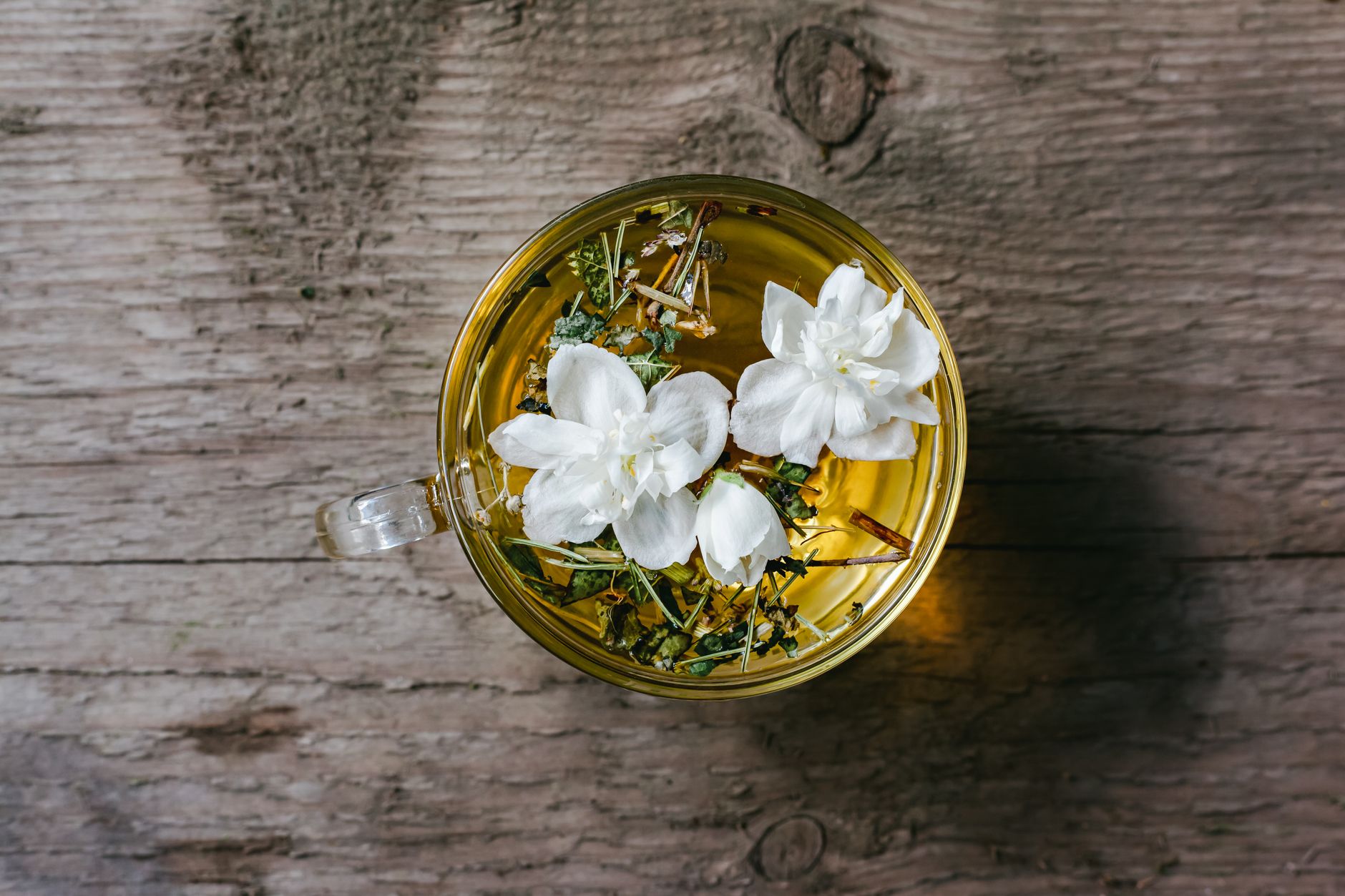
Jasmine tea is a well-loved beverage that combines green or black tea infused with jasmine flowers. Its aromatic profile and delicate flavor make it a favorite among tea drinkers. However, many individuals curious about jasmine tea also wonder about its caffeine content.
This article will delve into whether jasmine tea contains caffeine, exploring its relationship with the type of tea base used and highlighting some key facts about jasmine tea and its consumption.
Does Jasmine Tea Have Caffeine?
Yes, jasmine tea does contain caffeine, but the amount varies depending on the type of tea used as the base. If jasmine tea is made with green tea, it typically has lower caffeine levels compared to when it is made with black tea, which contains more caffeine. On average, an 8-ounce cup of jasmine green tea contains about 30-50 milligrams of caffeine, while jasmine black tea can contain 40-70 milligrams.
Understanding how caffeine levels fluctuate based on tea type opens the door to making informed decisions about jasmine tea consumption.
The Basics of Jasmine Tea
To appreciate jasmine tea, it is useful to understand what it is made of and how it’s produced. Jasmine tea typically consists of two main components: the tea leaves (green or black) and jasmine flowers. The tea is usually flavored with jasmine blossoms, imparting an alluring floral aroma and a light taste.
During the production process, tea leaves are mixed with fresh jasmine flowers. The flowers release their fragrance, which is absorbed by the leaves. This process can occur multiple times to achieve a more intense flavor.
Types of Jasmine Tea
There are primarily two types of jasmine tea based on the base tea used:
- Jasmine Green Tea: Traditionally lighter in flavor, lower in caffeine.
- Jasmine Black Tea: Richer and stronger flavor profile, with a higher caffeine content.
Caffeine Content in Different Types of Jasmine Tea
As noted, the caffeine content varies based on the tea base. Here’s a more detailed breakdown of the caffeine levels in both types of jasmine teas:
Jasmine Green Tea
The caffeine content in jasmine green tea generally ranges from 30-50 mg per 8-ounce cup. Factors that influence this include brewing time, tea variety, and the quality of the tea leaves used. Here are some delightful aspects of jasmine green tea:
- The floral scent from the jasmine flowers complements the grassy, vegetal notes of green tea.
- Potentially lower caffeine makes it a good choice for those seeking to limit their intake.
- Green tea is often praised for its various health benefits, adding to the appeal of jasmine green tea.
Jasmine Black Tea
Conversely, jasmine black tea contains higher caffeine levels, typically between 40-70 mg per 8-ounce cup. The infusion of jasmine flowers adds a unique sweetness to the robust black tea flavor. Notable characteristics include:
- The full-bodied flavor, which combines the rich taste of black tea with the floral notes of jasmine.
- Higher caffeine content provides a more invigorating experience, ideal for mornings or as an afternoon pick-me-up.
- Valuable in culinary uses, often paired with savory dishes to enhance flavor.
Factors That Affect Caffeine Content
While the type of tea determines the basic caffeine level, several factors can influence the final caffeine content in a cup of jasmine tea:
- Brewing Time: Longer brewing times can extract more caffeine, leading to higher levels. Generally, it’s recommended to steep jasmine tea for about 2-3 minutes for green tea and 3-5 minutes for black tea.
- Tea Quality: Higher-quality leaves may contain more essential oils and caffeine, impacting flavor and caffeine levels. Look for premium jasmine teas for a richer taste experience.
- Water Temperature: The temperature of the water used can also affect caffeine extraction. Higher temperatures usually yield higher caffeine levels. Green teas are best brewed at lower temperatures, around 160-180°F (70-80°C), while black teas can be brewed at 200-212°F (93-100°C).
Health Benefits of Jasmine Tea
Beyond caffeine, jasmine tea is cherished for its wide array of potential health benefits. Known for its soothing properties, here are some commonly discussed benefits associated with jasmine tea:
- Antioxidants: Both green and black teas are rich in antioxidants, which can combat free radicals in the body.
- Heart Health: Regular consumption of tea, including jasmine tea, may support heart health by lowering cholesterol levels.
- Stress Relief: The aroma of jasmine can promote relaxation and help reduce anxiety.
- Digestive Health: Jasmine tea may aid digestion, especially after meals.
Preparing Jasmine Tea
The preparation of jasmine tea is an art that enhances its flavor while allowing the floral scent to infuse into the tea. Here are some easy steps to brewing the perfect cup of jasmine tea:
Ingredients Needed
- 1-2 teaspoons of jasmine tea leaves (green or black)
- 8 ounces of water
Essential Equipment
- Teapot or tea infuser
- Kettle
- Cup or mug
- Thermometer (optional, for precise temperature control)
Brewing Method
- Boil the water in a kettle and let it cool to the appropriate temperature for your tea type (160-180°F for green tea; 200-212°F for black tea).
- Add the jasmine tea leaves or tea bag into your teapot or infuser.
- Pour the heated water over the tea leaves, ensuring they are fully submerged.
- Steep for the recommended time: 2-3 minutes for green tea, 3-5 minutes for black tea. Adjust time based on personal preference for taste strength.
- Remove the tea leaves or infuser and pour the brewed tea into a cup or mug.
- Enjoy your jasmine tea hot or iced, adding sweetener or lemon if desired.
Common Mistakes When Brewing Jasmine Tea
While brewing jasmine tea is simple, mistakes can affect flavor and caffeine extraction. Here are some typical pitfalls to avoid:
- Oversteeping: Leaving tea to steep too long can result in bitterness, especially with green tea.
- Too Hot Water: Using boiling water for green tea can scorch the leaves, leading to undesirable flavors.
- Neglecting Quality: Using low-quality tea leaves may result in a bland cup. Invest in quality jasmine tea for better flavor.
Tips for Enjoying Jasmine Tea
To fully enjoy jasmine tea, consider these practical tips:
- Try pairing jasmine tea with light meals, such as salads or seafood, for a complementary taste.
- Experiment with adding herbs or spices like mint or cardamom for a unique twist on jasmine tea.
- Explore using jasmine tea as a base for iced tea or mixed beverages in the warmer months.
- Practice mindful sipping to appreciate the aroma and nuanced flavors that jasmine tea offers.
Jasmine Tea Alternatives and Substitutions
If you’re interested in exploring other caffeine-containing options or caffeine-free alternatives, here are some recommendations:
Caffeine-Containing Alternatives
- Chai Tea: A spiced black tea that often combines cinnamon, cardamom, and cloves for a robust flavor.
- Matcha: Ground green tea leaves that offer a vibrant flavor and a higher caffeine content.
Caffeine-Free Options
- Herbal Tea: Chamomile or mint tea provides soothing flavors without caffeine.
- Rooibos Tea: Naturally caffeine-free with a rich, earthy flavor profile that can be enjoyed hot or iced.
Storing Jasmine Tea
Proper storage of jasmine tea is vital in maintaining its exquisite flavor and aroma. Here are some storage tips:
- Keep jasmine tea in an airtight container to prevent exposure to air and moisture.
- Store in a cool, dark place away from direct sunlight and strong odors.
- Use Jasmine tea within six months to ensure freshness, but always check for stale or off odors before brewing.
Conclusion and Next Steps
Jasmine tea offers a delightful combination of soothing aroma, delicate flavor, and varying caffeine content depending on the type of tea used. Understanding whether jasmine tea contains caffeine is crucial for making informed beverage choices. If you’re looking to enjoy the floral notes and potential health benefits of jasmine tea, follow the brewing tips provided.
Explore related recipes, cooking tips, or food guides such as cardamom tea recipe or Ethiopian tea recipe to further enhance your tea-drinking experience.