
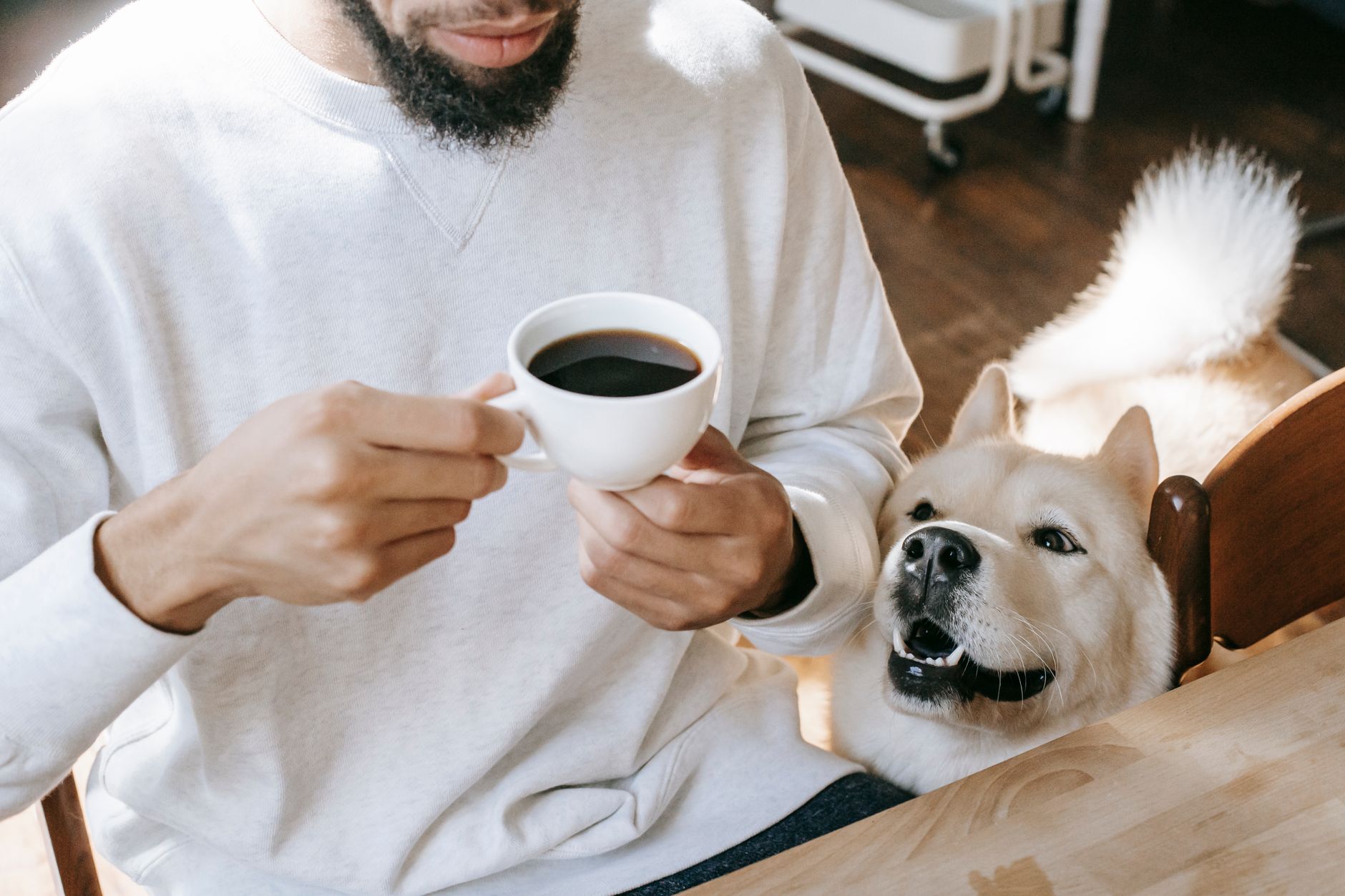
Coffee is a beloved beverage for many, providing that much-needed morning boost to kick-start the day. However, as a dog owner, you may wonder whether sharing your cup of coffee with your furry friend is safe. It’s essential to understand the potential risks and effects of caffeine on dogs before making a decision.
This guide will explore various aspects of coffee consumption concerning dogs, including why dogs cannot drink coffee, the risks associated with caffeine, and safe alternatives. By the end, you’ll have a clearer understanding of how to keep your pet safe while enjoying your favorite brew.
Can Dogs Drink Coffee?
No, dogs should not drink coffee. Caffeine, a stimulant present in coffee, is toxic to dogs, leading to several potential health complications. Dogs metabolize caffeine much more slowly than humans, making them particularly vulnerable to its effects.
Understanding Caffeine and Its Effects on Dogs
Caffeine is a central nervous system stimulant that affects heart rate, blood flow, and can even impact hydration levels in both humans and animals. For dogs, the toxic dose of caffeine is approximately 20 milligrams per kilogram of body weight, with severe symptoms possible at doses of 100 milligrams per kilogram.
Common Symptoms of Caffeine Toxicity in Dogs
- Vomiting
- Diarrhea
- Increased heart rate
- Restlessness or hyperactivity
- Tremors or seizures
- Increased urination
- Muscle rigidity
- In severe cases, it can result in coma or death
What Happens if a Dog Consumes Coffee?
If a dog consumes coffee, immediate veterinary attention is necessary, especially if they exhibit any of the symptoms mentioned above. The veterinarian may induce vomiting, administer activated charcoal to prevent further absorption of caffeine, and provide supportive care. Time is of the essence, so do not wait if you suspect your dog has ingested caffeine.
Other Sources of Caffeine
It’s important to be aware that coffee is not the only source of caffeine. Many other common food items can also be dangerous for dogs, including:
- Tea (black, green, and herbal)
- Energy drinks
- Caffeinated soft drinks
- Chocolate (contains theobromine, which is toxic to dogs)
- Caffeine pills or supplements
- Some medications (cold medications, certain pain relievers)
Safe Alternatives for Dogs
While coffee is off-limits, you can provide tasty and safe alternatives for your dog. These options can still deliver the warmth and comfort usually associated with sharing a beverage with a furry friend.
1. Herbal Tea
Herbal teas, such as chamomile and peppermint, can be safe for dogs in moderation. Always check with your veterinarian first, as some herbs can be harmful to pets.
2. Bone Broth
Bone broth is flavorful and nutritious for dogs. You can make it at home by simmering bones (preferably beef or chicken) in water for several hours. Avoid adding any salt or seasoning.
3. Dog-Friendly “Coffee” Alternatives
Some companies produce dog-friendly coffee substitutes made with carob and various flavors. Look for options marketed specifically for dogs to ensure they are safe and enjoyable.
Frequently Asked Questions
Can a Small Amount of Coffee Hurt My Dog?
Even small amounts of coffee can lead to adverse effects in dogs, depending on their size and sensitivity to caffeine. It’s best to err on the side of caution and avoid giving any amount of coffee to your dog.
What Should I Do If My Dog Ingests Coffee?
Contact your veterinarian immediately if you suspect your dog has ingested coffee. Quick action can save your pet from serious health issues.
Are There Any Dogs More Susceptible to Caffeine Toxicity?
All dogs are sensitive to caffeine, but smaller breeds and older dogs may be more at risk due to their size and overall health. Always be cautious regardless of your dog’s breed or age.
Preventing Accidental Caffeine Ingestion
Taking steps to prevent your dog from accidentally consuming coffee or other caffeinated products is vital and can be achieved through the following measures:
1. Educate Household Members
Make sure everyone in your household understands that coffee and other caffeinated products are off-limits to dogs. This includes children who may not be aware of the dangers.
2. Store Caffeine Products Securely
Keep coffee, tea, and other caffeinated products out of reach of pets. Consider using cabinets and containers that are closed and secure to prevent any accidental access.
3. Monitor Your Dog’s Behavior
Pay close attention to your dog, especially during coffee-making or when you are enjoying your morning brew. They may be curious about what you’re doing, so be cautious and mindful.
Conclusion
While coffee may be a delightful part of your morning routine, it is essential to prioritize your dog’s safety. Coffee and other caffeinated products can pose significant health risks for pets, and it is crucial to avoid sharing your caffeine fix with them. Instead, consider providing safe alternatives, such as herbal tea or homemade bone broth, to keep your furry friend happy and healthy. Consult your veterinarian for personalized guidance and insights into your dog’s dietary needs.
For those interested in creative coffee-inspired recipes, feel free to explore our selections like Amaretto Coffee Creamer Recipe and Brown Sugar Coffee Recipe. These options are perfect for enjoying your coffee at its finest!