
There’s something primal about brewing coffee in a cast iron pot over an open flame, watching the steam rise into the morning air while the world is still quiet. Cowboy coffee is the real deal: no filters, no fancy equipment, just ground coffee, hot water, and the kind of simplicity that tastes like honest work.
This recipe strips away everything unnecessary and gives you bold, full-bodied coffee that campfire enthusiasts and minimalists have relied on for generations. The method is forgiving, the result is always satisfying, and it requires almost nothing to pull off.
Why You’ll Love This Recipe
Cowboy coffee delivers maximum flavor with zero complexity. You’ll appreciate the rich taste and the freedom from messy cleanup.
- No filters or paper waste to manage
- Works with basic equipment: a pot and a heat source
- Bold, full-bodied flavor that instant and drip coffee can’t match
- Naturally scalable for crowds or solo mornings
- Perfect for camping, backyard fire pits, or emergency situations
My Experience Making This Recipe
I first made cowboy coffee on a camping trip years ago when I forgot my French press. My friend casually dumped grounds into a pot of boiling water, let it settle, and poured us the best cup I’d had in months.
Since then, I’ve made it dozens of times, and it never disappoints. The ritual of watching the grounds sink, knowing exactly when to pour, and tasting that robust flavor grounds me in a way fancy equipment never could.
What surprised me most was how forgiving the method is. You don’t need precision or fancy technique; you just need hot water, patience, and a moment to let gravity do the work.
Recipe Overview
- Recipe Name: Cowboy Coffee
- Servings: 4 cups
- Prep Time: 2 minutes
- Cook Time: 10 minutes
- Total Time: 12 minutes
- Course: Beverage
- Cuisine: American/Outdoor Cooking
- Calories per Serving: 5
Equipment You Will Need
- Metal or enamel pot (at least 4 cups capacity)
- Heat source (stove, campfire, or portable burner)
- Measuring cup or kitchen scale
- Spoon for stirring
- Coffee mug or cup for pouring
- Optional: fine mesh strainer or cheesecloth for extra-clean pour
Ingredients for Cowboy Coffee
- Water: 4 cups (32 ounces or about 950 milliliters)
- Coarsely ground coffee: 1/2 cup (about 2 ounces or 60 grams)
- Pinch of salt (optional but recommended)
Ingredient Notes and Substitutions
- Water: Fresh, cold water produces the cleanest flavor and brews most evenly. If you’re camping, filtered water is ideal, but any drinkable water works in a pinch.
- Coarsely ground coffee: Use a coarse grind to prevent fine sediment from ending up in your cup. If you only have finely ground coffee, let it settle longer or pour more carefully.
- Salt: A tiny pinch cuts bitterness and rounds out the flavor; many old-timers swear by it. Skip it if you prefer straight coffee or are sensitive to sodium.
How to Make Cowboy Coffee
Step 1: Fill Your Pot with Water
Pour 4 cups of fresh, cold water into your pot. Cold water heats more evenly than starting with hot water and ensures your final brew won’t taste flat.
Step 2: Bring the Water to a Rolling Boil
Place the pot over high heat and wait for a vigorous, rolling boil. You want to see active bubbling across the entire surface, which means the water has reached the right temperature to extract coffee properly.
Step 3: Add the Coffee
Once the water reaches a rolling boil, carefully add 1/2 cup of coarsely ground coffee directly to the water. Pour slowly and give it a quick stir to ensure all grounds are saturated.
Step 4: Remove from Heat
Immediately pull the pot away from the heat source. Removing it from heat stops the boiling and gives the grounds time to settle without becoming over-extracted and bitter.
Step 5: Let the Grounds Settle
Wait 2 to 3 minutes without stirring while the coffee grounds slowly sink to the bottom of the pot. You’ll see them floating at first, then gradually settling as they absorb water and become heavier.
Step 6: Rinse the Rim (Optional but Recommended)
Gently pour a small amount of cold water around the inside rim of the pot where grounds may have splashed. This extra step cools the rim slightly and rinses stray grounds back into the body of the coffee.
Step 7: Pour Carefully
Tilt the pot slowly and pour coffee into your cup, keeping it at about a 45-degree angle. Pour from the edge of the pot rather than the spout to reduce the chance of grounds pouring into your cup.
Step 8: Enjoy Immediately
Drink your coffee while it’s hot and the flavor is at its peak. If you want a second cup, let the pot sit for another minute to allow any disturbed grounds to resettle.
Pro Tip: The cold water rinse in Step 6 is the secret weapon that separates good cowboy coffee from muddy cowboy coffee; it cools the pot rim just enough to anchor those final grounds.
Tips for the Best Cowboy Coffee
- Use a coarse grind and never skip this detail. Fine grounds create sediment and a gritty mouthfeel that will ruin the experience.
- Time your settle period by watching the grounds sink, not by the clock. Once they’ve mostly settled (usually 2 to 3 minutes), you’re ready to pour.
- Keep the pot still after removing it from heat. Every movement stirs up settled grounds, so avoid bumping or moving it unnecessarily.
- Pour from the side of the pot rather than the spout for better control and fewer grounds in your cup. This small technique change makes a noticeable difference.
- Fresh coffee beans ground just before brewing make a huge difference in flavor and body. Pre-ground coffee loses volatile oils quickly, so grind your own if you can.
- Use a pinch of salt or a small eggshell to neutralize bitterness. Both methods have been used for over a century and really do improve the taste.
Common Mistakes to Avoid
- Using finely ground coffee creates sediment that clouds your cup and leaves grit on your teeth. Coarse grind settles cleanly and tastes better.
- Pouring too quickly or aggressively stirs up settled grounds and defeats the whole purpose of waiting. Take your time and pour at a gentle angle.
- Skipping the cold water rim rinse leaves floating debris that ends up in your cup on the next pour. This simple step prevents a lot of frustration.
- Leaving the pot on heat too long over-extracts the coffee and creates harsh, bitter flavors. Get it off the heat immediately after it boils.
- Using water that’s not quite boiling or stale water produces weak, flat-tasting coffee. Boiling water extracts the full flavor profile.
Serving Suggestions
Cowboy coffee tastes best served hot in a sturdy mug, ideally enjoyed outdoors or during a quiet morning ritual. Pair it with breakfast or a simple snack to let the bold flavor shine.
- Fresh biscuits or cornbread with butter and jam
- Bacon and eggs cooked over the same fire
- Sourdough toast with honey or preserves
- A slice of coffee cake or cinnamon roll
- Breakfast burritos or griddle cakes
Variations to Try
- Cowboy Coffee with Eggshell: Add a crushed eggshell to the pot before pouring to neutralize bitterness and create a slightly sweeter finish. This old-timey trick works surprisingly well.
- Spiced Cowboy Coffee: Add a cinnamon stick or a pinch of cardamom to the water as it boils for warm, aromatic notes. Remove the spice before adding coffee grounds.
- Sweetened Cowboy Coffee: Stir in honey, brown sugar, or condensed milk directly into the pot after removing from heat. This creates a more indulgent morning beverage.
- Black Cowboy Coffee with a Splash: Top your finished cup with a splash of cold cream or milk for a slightly milder, creamier texture. This balances the boldness without removing the full flavor.
- Double-Strength Cowboy Coffee: Use 3/4 cup of coffee grounds instead of 1/2 cup for an extra-bold cup. Perfect for those who want maximum flavor and don’t mind stronger caffeine.
Dietary Adaptations
- Gluten-Free: Cowboy coffee is naturally gluten-free and requires no modification. All ingredients are pure and safe for anyone avoiding gluten.
- Dairy-Free: Drink cowboy coffee black or add coconut milk, almond milk, or oat milk if you prefer creaminess. The bold flavor stands up well to any non-dairy alternative.
- Vegan: This recipe is completely vegan as written; no animal products are involved. Add any plant-based milk or sweetener if desired.
- Low-Carb and Keto: Black cowboy coffee contains virtually no carbohydrates and fits perfectly into ketogenic eating. Add heavy cream or butter for extra fat if following keto guidelines.
Storage and Reheating
Refrigerator
Store leftover cowboy coffee in an airtight container in the refrigerator for up to 5 days. Cold brew made this way develops a smooth, less acidic profile after sitting overnight.
- Use a glass jar or pitcher to maintain flavor quality
- Keep away from strong-smelling foods that can transfer odors
- Drink cold or reheat as needed for iced or hot servings
Freezer
Cowboy coffee can be frozen in ice cube trays for up to 3 months for future use. This works well if you want to make iced coffee or blend it into smoothies later.
- Pour cooled coffee into silicone ice cube molds
- Transfer frozen cubes to a freezer bag once solid
- Use cubes in beverages or as a coffee concentrate base
Reheating
Reheat cold cowboy coffee gently on the stove or in the microwave without bringing it back to a boil. Boiling reheated coffee makes it taste bitter and burnt.
- Stovetop: Pour into a pot and warm over medium heat until steaming
- Microwave: Heat individual mugs in 30-second intervals until desired temperature
- Never boil reheated coffee or leave it hot for more than 30 minutes
Nutrition Information
| Nutrient | Amount |
|---|---|
| Calories | 5 |
| Total Fat | 0g |
| Saturated Fat | 0g |
| Carbohydrates | 0g |
| Fiber | 0g |
| Sugar | 0g |
| Protein | 0g |
| Sodium | 5mg |
| Cholesterol | 0mg |
Cowboy coffee contains minimal calories and no significant nutrients; it’s primarily water and coffee compounds. The nutritional value comes from what you add to it, such as milk or sweetener.
Frequently Asked Questions
Can I use pre-ground coffee from a can?
Yes, canned pre-ground coffee works fine as long as it’s coarsely ground. It won’t taste quite as fresh as coffee ground just before brewing, but it still produces a solid cup.
What if I don’t have a metal pot?
Any heat-safe pot or kettle will work, including enamel-coated cast iron or stainless steel. Avoid plastic or anything that can’t withstand direct heat from a flame.
How do I know when the grounds have settled enough to pour?
Watch for the majority of grounds to sink to the bottom, which typically takes 2 to 3 minutes after removing from heat. Most will have drifted down, though a few particles may still float.
Can I make cowboy coffee indoors on a regular stove?
Absolutely. The method works exactly the same on a kitchen stove as it does over a campfire. The heat source doesn’t matter; the technique remains identical.
Why is my cowboy coffee gritty?
You’re likely using finely ground coffee instead of coarse grind, or you’re pouring too aggressively and stirring up settled grounds. Switch to coarse grind and pour slowly from the pot’s side to solve this issue.
Can I make cowboy coffee ahead of time?
You can brew it 30 minutes to an hour ahead, but it tastes best served fresh and hot. Leftover coffee can be refrigerated and reheated later, though flavor quality drops slightly over time.
Is cowboy coffee stronger than regular drip coffee?
It can be, depending on how much coffee you use and how long grounds steep. The full contact between grounds and water extracts more flavor, making it naturally bolder than many brewing methods.
Final Thoughts
Cowboy coffee reminds us that the best things in life don’t require complicated equipment or fancy techniques. This simple method has served people well for over a century, and it will serve you just as well.
The next time you’re camping, hosting a backyard gathering, or just want a bold cup without fuss, reach for your pot and some grounds. You’ll understand why this humble method has stayed popular for so long.
Explore More Outdoor Beverage Recipes
If you love simple, rustic drinks made over fire or at home, you’ll appreciate other classic outdoor beverage recipes. Check out a campfire mule recipe for a refreshing alternative, or try a coffee milkshake recipe to enjoy coffee in a completely different way.
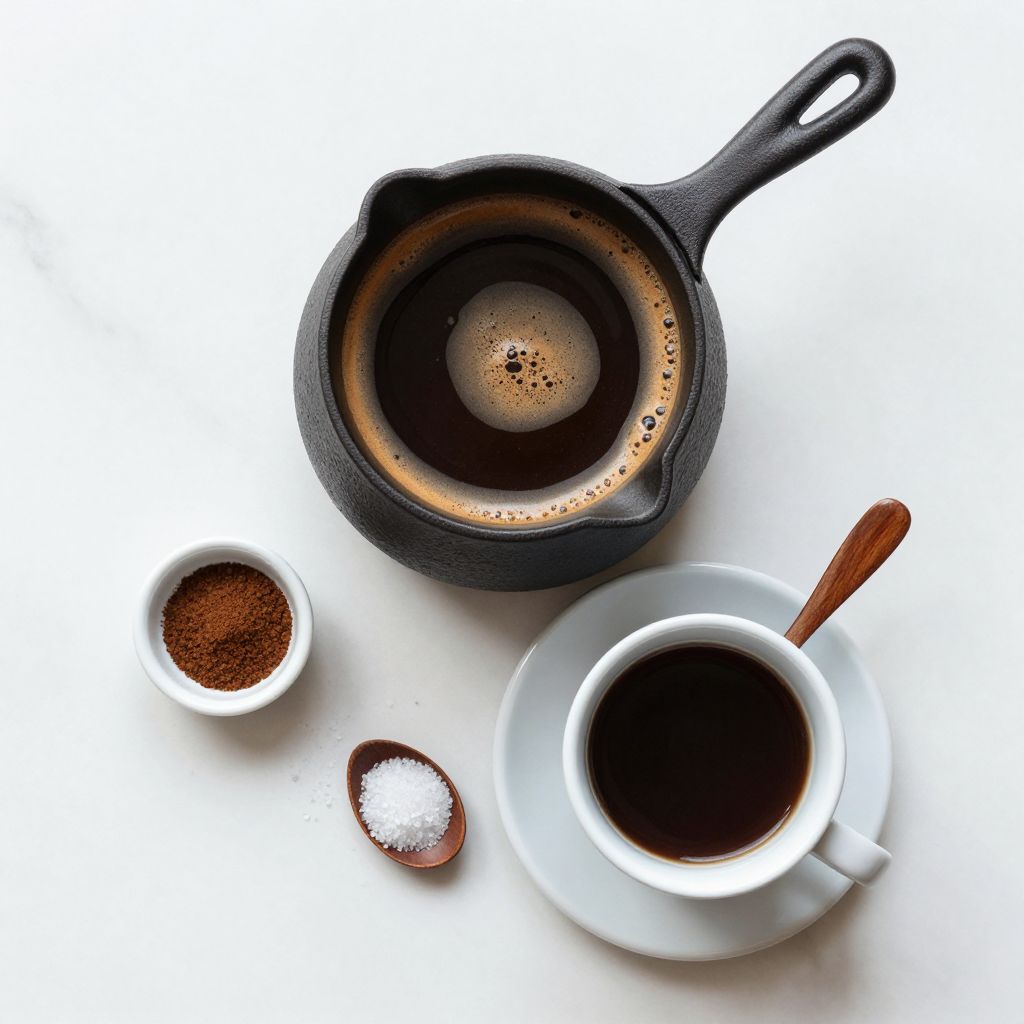
Cowboy Coffee
Ingredients
Equipment
Method
- Pour 4 cups of fresh, cold water into the pot.
- Place the pot over high heat and bring water to a rolling boil, about 5 to 7 minutes.
- Once the water reaches a rolling boil, remove the pot from heat.
- Add 1/2 cup coarsely ground coffee to the hot water and stir quickly to saturate all grounds.
- Let the coffee grounds settle without stirring for 2 to 3 minutes.
- Gently rinse the inside rim of the pot with a small amount of cold water to collect stray grounds.
- Tilt the pot slowly and pour coffee into cups at a 45-degree angle to avoid disturbing grounds.
- Drink the coffee immediately while hot; if brewing more, allow grounds to resettle for another minute before pouring a second cup.