
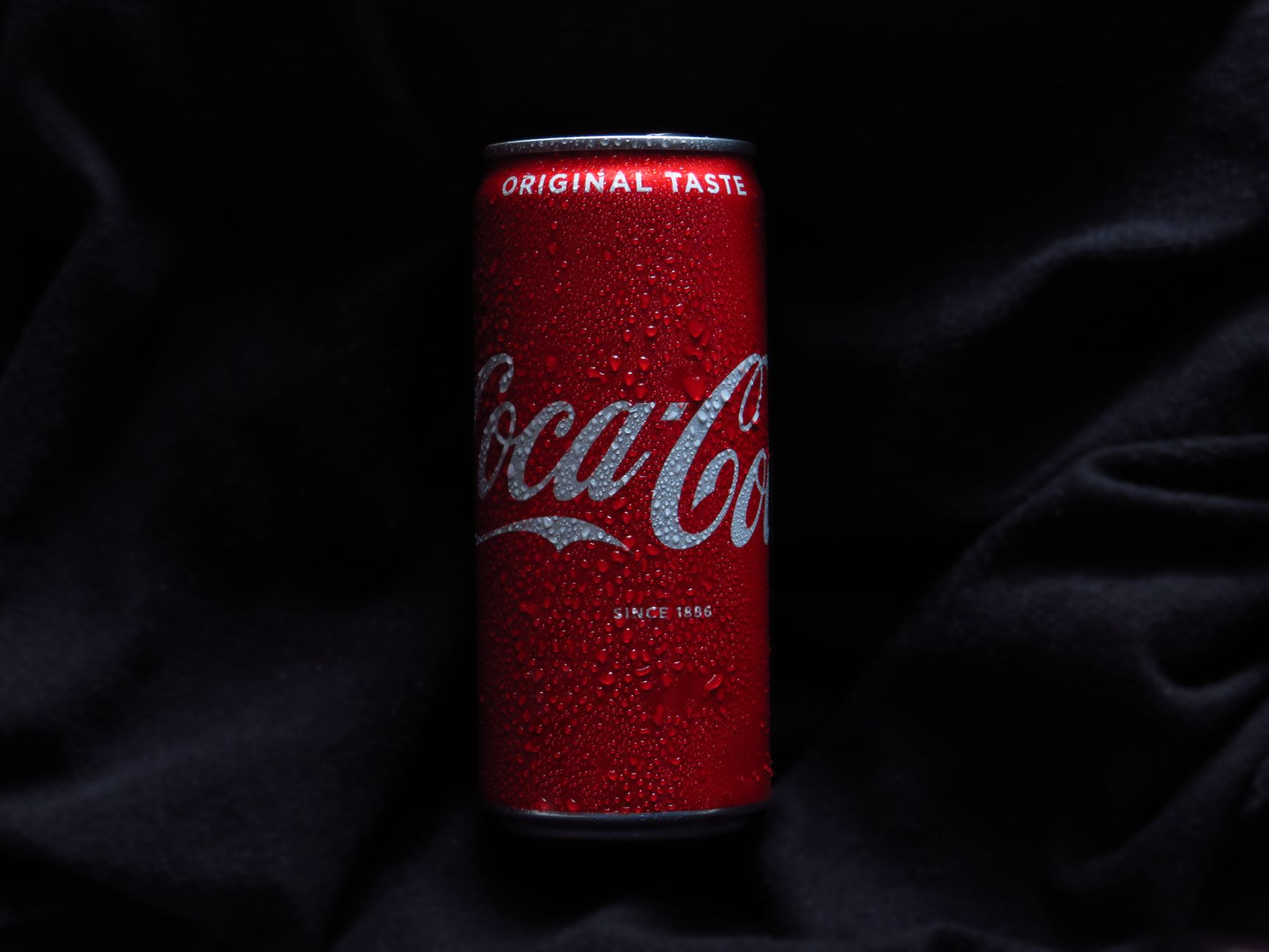
Coca-Cola is one of the most recognized beverages globally, cherished for its sweet, fizzy charm. An essential component that contributes to this iconic taste is sugar. Understanding the role of sugar in Coca-Cola—not just in terms of flavor but also in terms of health and alternatives—can help you make informed choices when enjoying this favorite drink.
This guide explores Coca-Cola’s sugar content, its implications for health, alternatives, and even how this knowledge can enhance your beverage experience. Let’s dive deeper into the world of Coca-Cola and its relationship with sugar.
What is the Sugar Content in Coca-Cola?
The sugar content in Coca-Cola can vary depending on the particular variant, but a standard 12-ounce (355 ml) can of Coca-Cola Classic contains about 39 grams of sugar. This amount translates to roughly 9.3 teaspoons of sugar, making it a significant source of sweeteners in your diet.
Types of Sugar Used in Coca-Cola
Coca-Cola primarily utilizes high fructose corn syrup (HFCS) and sucrose (table sugar) as sweeteners. The use of HFCS is particularly common in the United States, while sucrose might be more prevalent in other countries.
High Fructose Corn Syrup (HFCS)
HFCS is derived from corn starch and has a similar sweetness level to regular sugar. It is favored for its cost-effectiveness and ability to enhance shelf life. However, overconsumption of HFCS has been linked to heightening the risk of obesity and other metabolic disorders.
Table Sugar (Sucrose)
Sucrose is derived from sugar cane or sugar beets and is a more traditional sweetener. Its use in Coca-Cola varies by region, particularly where regulations affect high fructose corn syrup availability. This form of sugar is often considered more natural, but it still poses health risks when consumed excessively.
Health Implications of Sugar in Coca-Cola
While sugar enhances taste, it has been linked with several health issues when consumed in excess. It is crucial to be aware of how Coca-Cola fits into your overall sugar intake.
Caloric Intake
The sugar in Coca-Cola adds extra calories to your diet without essential nutrients, often referred to as “empty calories.” For those monitoring caloric intake, reducing sugary drink consumption is vital.
Weight Gain
Regular consumption of sugary beverages like Coca-Cola has been linked with weight gain. Studies suggest that the body does not compensate for the calories consumed in liquid form by eating less food, leading to potential weight increase over time.
Diabetes Risk
Consuming high amounts of sugar can increase insulin resistance, potentially leading to type 2 diabetes. It is wise to limit consumption of sugary drinks for those at risk or managing diabetes.
Dental Health
The sugars in Coca-Cola can lead to tooth decay. Bacteria in the mouth thrive on sugar, producing acid that erodes tooth enamel. Regularly rinsing with water after consumption can mitigate some of these effects.
Alternatives to Sugar in Coca-Cola
If you’re looking to enjoy the flavor of Coca-Cola without the high sugar content, there are alternatives available:
Coca-Cola Zero Sugar
Coca-Cola Zero Sugar aims to replicate the taste of Coca-Cola Classic without the calories and sugar. It uses artificial sweeteners like aspartame and acesulfame potassium to achieve this effect.
Coca-Cola Diet
Similar to Coca-Cola Zero, Diet Coca-Cola offers a sugar-free alternative. It has its distinct flavor profile and is sweetened with aspartame. It’s ideal for those who want a lighter option.
Homemade Cola with Natural Sweeteners
For those who prefer controlling their sugar intake while maintaining the cola flavor, making homemade cola using natural sweeteners like honey or agave can be a fulfilling project. Customizing the sweetness and flavor can cater to your health preferences.
Recreating the Coca-Cola Flavor without Sugar
If you want to mimic the flavor of Coca-Cola without the sugar content, consider using the following ingredients:
- Carbonated water
- Caffeine source (like brewed tea or coffee)
- Citrus juices (for tanginess)
- Vanilla extract
- Spices like cinnamon and nutmeg
- Natural sweeteners (such as stevia or monk fruit)
Recipe: Sugar-Free Cola Substitute
Here’s a simple recipe to create a refreshing sugar-free cola substitute:
- 1 cup carbonated water
- 2 tablespoons fresh lemon juice
- 1 tablespoon raw apple cider vinegar
- 1 teaspoon vanilla extract
- 1/2 teaspoon cinnamon
- Stevia or your favorite natural sweetener to taste
Instructions:
- Combine all ingredients except carbonated water in a glass.
- Stir until well mixed.
- Add carbonated water and stir gently to combine.
- Taste and adjust the sweetness if desired.
- Serve chilled over ice and enjoy!
Understanding the Role of Carbonation
Beyond sugar, carbonation is central to Coca-Cola’s unique taste experience. The fizzing sensation can enhance sweetness perception and make the beverage more refreshing.
How to Create Carbonated Drinks at Home
If you’re interested in making your carbonated beverages, investing in a soda maker can be beneficial. These devices can customize the level of carbonation to your preference, and you can experiment with flavors and sweeteners.
Enjoying Coca-Cola in Moderation
It’s essential to enjoy Coca-Cola as part of a balanced diet. Understanding the sugar content and its health implications can empower you to make smarter choices without entirely eliminating it from your life.
Portion Control
Consider the serving size when enjoying Coca-Cola. Opt for smaller cans or share larger ones to keep your sugar intake in check. Also, consider substituting occasional sugary drinks with water or herbal teas.
Serving Suggestions and Pairings
Coca-Cola is not just a drink; it’s a culinary companion that can enhance various meals. Here are some serving suggestions:
Entrees
Coca-Cola can be a fantastic addition to marinades for meats, especially with rich beef or barbecue dishes. It can lend a hint of sweetness and help tenderize meats.
Desserts
Use Coca-Cola in cake recipes, where it can add moisture and depth of flavor to chocolate cakes or brownies. Certain recipes utilize its carbonation to achieve a light and airy texture.
Drinks
In cocktails, Coca-Cola pairs well with spirits like rum and whiskey. Classic drinks like Jack and Coke or Cuba Libre incorporate this soda’s sweetness, balancing flavors and enhancing the drink experience.
Common Mistakes When Consuming Coca-Cola
Understanding how to consume Coca-Cola wisely can enhance your experience. Here are some common pitfalls:
- Drinking while eating can lead to digestive issues; wait a bit before enjoying it.
- Drinking it excessively during meals might mask the natural flavors of your food.
- Forgetting to balance your intake with water; aim for hydration alongside sugary beverages.
Storage and Shelf Life
Coca-Cola can be stored at room temperature or in the fridge, ideally consumed by the “best by” date for optimal flavor. Unopened cans can last for months, but once opened, it should be consumed within a few days for the best carbonation and taste.
Conclusion
Coca-Cola’s sugar content is an essential factor to consider, whether you enjoy it occasionally or regularly. Understanding your choices regarding sugar content and how to approach soft drinks can lead to a more mindful consumption experience. By exploring sugar substitutes and alternative recipes, you can enjoy the essence of Coca-Cola while managing your health effectively. For those looking to enjoy classic cocktails or craft their fizzy beverages, consider checking the recipes for a classic drink or a Jack and Coke for new ideas on how to make the most of Coca-Cola.
Explore related recipes, cooking tips, and food guides such as the Coca-Cola Classic Drink Recipe and the Jack and Coke Recipe to expand your beverage-making repertoire.