
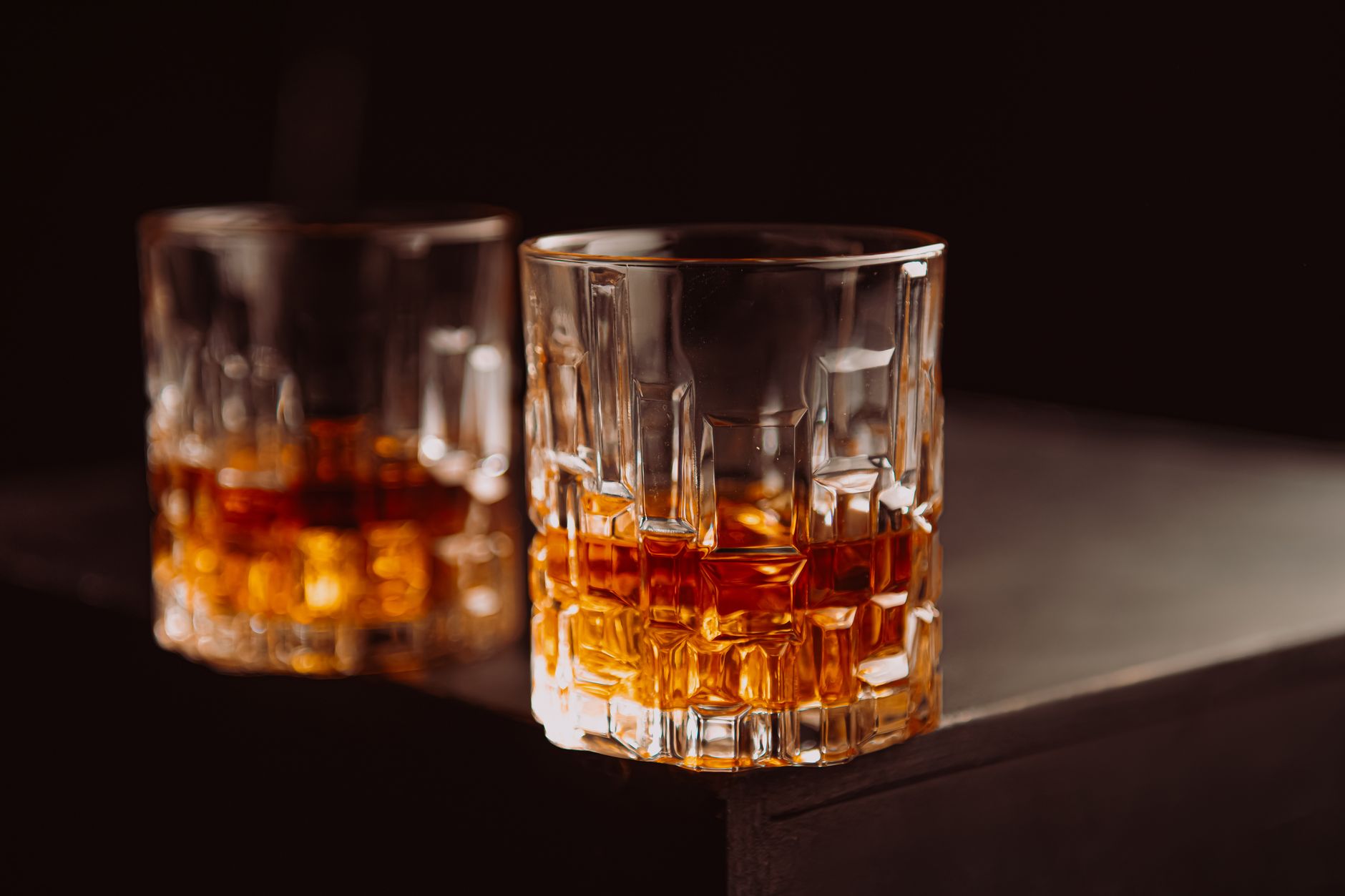
When it comes to spirits, bourbon and whiskey often spark lively debates among enthusiasts and casual drinkers alike. One common question that arises is whether bourbon is stronger than whiskey. This article provides answers, clarifies the differences between these two popular spirits, and offers insights into their flavor profiles and uses in cocktails, ensuring you make informed choices in your next drink or recipe.
Bourbon is a specific type of whiskey that originates from the United States, primarily associated with Kentucky. While bourbon and whiskey can have similar alcohol content, distinct regulations set bourbon apart from other whiskey varieties. Understanding these differences not only helps in enjoying these spirits but also aids in making delicious cocktails, sauces, or marinades.
Is Bourbon Stronger Than Whiskey?
The direct answer is that bourbon is not necessarily stronger than whiskey, as both can have similar alcohol by volume (ABV) percentages. Bourbon must have at least 40% ABV, while other types of whiskey, such as Scotch or Irish whiskey, can also fall within that range. The strength can vary from bottle to bottle, so it’s essential to check the label.
Understanding Whiskey
Whiskey is a distilled alcoholic beverage made from fermented grain mash. It can include different types of grains, such as barley, corn, rye, and wheat. The term “whiskey” encompasses a broad spectrum of styles, including Scotch, Irish whiskey, Canadian whisky, and bourbon. Here, we take a closer look at some of these types.
Types of Whiskey
- Scotch: Made primarily from malted barley, Scotch whiskey must be produced in Scotland and aged for a minimum of three years.
- Irish Whiskey: Generally smoother than Scotch, Irish whiskey is usually triple-distilled and can be made from malted and unmalted barley. It also requires a minimum of three years of aging.
- Canadian Whisky: This often lighter whisky can contain a mix of grains and is known for its versatility. It must be aged in oak barrels for at least three years.
A Closer Look at Bourbon
Bourbon is a subset of whiskey, and its production is subject to specific legal requirements. By law, to be labeled bourbon, the spirit must adhere to the following regulations:
- Produced in the United States.
- Made from at least 51% corn in its mash bill.
- Aged in new charred oak barrels.
- Distilled to no more than 160 proof (80% ABV).
- Bottled at a minimum of 80 proof (40% ABV).
Flavor Profile
Bourbon presents a rich flavor profile, often featuring notes of caramel, vanilla, and oak. The higher corn content lends sweetness, while the charring of the barrels adds smokiness and depth. The result is a spirit that is generally smoother compared to other whiskeys.
Alcohol Content: Comparing the Two
The alcohol content of bourbon and whiskey can vary significantly based on production methods and aging. While the minimum bottling strength for both is 40% ABV, many bourbons are bottled at higher proofs, ranging from 90 to 120, enhancing their robustness.
Whiskeys from different regions can also have widely varying ABVs, with some higher-end offerings reaching above 50% ABV. When comparing specific brands or styles, always check the label as individual producers may present variations that defy generalizations.
Common Bourbon and Whiskey Cocktails
Understanding the nuances of bourbon and whiskey helps when creating cocktails. Here we explore some classic cocktails featuring bourbon and whiskey, highlighting how their flavors shine through.
Bourbon-Based Cocktails
- Manhattan: A sophisticated blend of bourbon, sweet vermouth, and bitters, served up with a cherry garnish.
- Bourbon Sour: A refreshing drink made with bourbon, lemon juice, and simple syrup, often garnished with a slice of orange.
Whiskey-Based Cocktails
- Old Fashioned: A simple yet classic concoction of whiskey (often bourbon), sugar, bitters, and a twist of citrus peel.
- Whiskey Sour: Made with whiskey, lemon juice, and simple syrup, this cocktail is refreshing and can be topped with a dash of egg white for creaminess.
Cooking with Bourbon and Whiskey
Beyond cocktails, bourbon and whiskey offer rich, complex flavors that can elevate a variety of dishes. From marinades to sauces, using these spirits in cooking can impart depth and enhance sweetness. Their versatility means they can be used in both savory and sweet dishes.
Marinades and Sauces
- Bourbon Marinade: Combine bourbon, soy sauce, brown sugar, garlic, and ginger for a flavorful marinade suitable for meats.
- Whiskey BBQ Sauce: Blend whiskey with ketchup, vinegar, Worcestershire sauce, and spices for a smoky BBQ sauce to pair with grilled meats.
Desserts
Bourbon and whiskey can also be excellent in desserts. Their caramel notes complement sweets beautifully, with recipes like:
- Bourbon Pecan Pie: Adding bourbon to the filling enhances the nutty flavors of the pecans.
- Whiskey Chocolate Cake: A rich chocolate cake infused with whiskey creates a decadent treat, highlighting the warming notes of the spirit.
Substitutions and Variations
When a recipe calls for bourbon or whiskey, it’s helpful to know which substitutions work best based on flavor and intensity. Here are some guidelines:
Substitutions
- For Cooking: If a recipe calls specifically for bourbon, using a higher-quality whiskey may enhance the flavor, but make sure to taste for balance.
- In Cocktails: Generally, you can substitute bourbon for other whiskeys or vice versa; just be mindful of the flavor profiles—Scotch may add smokiness while Irish whiskey is typically smoother.
Common Mistakes When Using Bourbon and Whiskey
While bourbon and whiskey are versatile, some common mistakes can detract from the final dish or drink:
- Overcooking: Cooking bourbon or whiskey too long can result in a bitter taste, as the alcohol will evaporate, concentrating the flavors unnecessarily.
- Measurement Errors: Especially when baking, precise measurements are crucial. Be careful not to add too much or too little, as it can affect the final product.
The Bottom Line: Bourbon vs. Whiskey
Ultimately, bourbon and whiskey offer unique experiences, and whether one is “stronger” than the other depends on specific brands and individual preferences. Each has distinct profiles and uses in food and drink. Embrace their differences to enhance your culinary adventures.
As you explore using bourbon and whiskey in cocktails and cooking, remember to consider flavor, strength, and how each spirit complements the dish or drink you are crafting.
Ready to try your hand at making some delicious cocktails? Check out our Manhattan recipe or mix things up with a Bourbon Sour recipe for a delightful experience.