
Picture a warm summer evening, the sun setting as you sip a glass of homemade Cherry Juice Wine. The sweet tang of cherries dances on your palate, bringing back memories of family gatherings and laughter. This recipe is special because it allows you to craft a delightful beverage that showcases the rich flavor of cherries while being surprisingly simple to make. With its vibrant color and refreshing taste, this wine is perfect for summer barbecues or cozy nights in. Let’s dive into the ingredients and steps to create your very own cherry-infused wine.
Why You’ll Love This Recipe
This recipe is a delightful way to enjoy cherries in a new form.
- Easy to follow with minimal ingredients.
- Perfect for warm weather gatherings.
- Customizable with different cherry varieties.
- Creates a unique and flavorful homemade wine.
My Experience Making This Recipe
When I first tried making Cherry Juice Wine, I was amazed at how easy it was. The smell of simmering cherries filled my kitchen, and I couldn’t wait to taste the final product.
After a few weeks of patiently waiting, I opened my first bottle, and the flavor blew me away! It was a hit at my last barbecue, and I felt like a true winemaker.
Recipe Overview
- Recipe Name: Cherry Juice Wine
- Servings: 6-8
- Prep Time: 20 minutes
- Cook Time: 30 minutes
- Total Time: 4-6 weeks (including fermentation)
- Course: Beverage
- Cuisine: American
- Calories per Serving: 150
Equipment You Will Need
- Large pot
- Fermentation vessel (glass carboy or food-grade bucket)
- Airlock and stopper
- Siphon or racking cane
- Bottles with corks or caps
- Strainer or cheesecloth
Ingredients for Cherry Juice Wine
- 4 cups of fresh or frozen cherries
- 1 cup of granulated sugar
- 1 gallon of water
- 1/4 teaspoon of yeast (wine or champagne yeast)
- 1/4 teaspoon of potassium metabisulfite (optional, for preservation)
Ingredient Notes and Substitutions
- Cherries: They provide the main flavor. Use any variety you prefer, like Bing or Tart.
- Sugar: This helps with fermentation and sweetness. You can also use honey or agave nectar.
- Yeast: Necessary for fermentation. If you don’t have wine yeast, bread yeast can work, but the flavor may differ.
- Potassium metabisulfite: This ingredient can prevent spoilage. If you skip it, be mindful of cleanliness throughout the process.
How to Make Cherry Juice Wine
Step 1: Prepare the Cherries
Wash your cherries thoroughly to remove any dirt or pesticides. Remove the stems and pits to ensure a smooth wine.
Step 2: Create the Cherry Juice
In a large pot, combine the cherries and water. Bring it to a boil, then reduce to a simmer for about 30 minutes to extract the flavors.
Step 3: Strain the Mixture
After simmering, strain the mixture through a fine strainer or cheesecloth to separate the juice from the solids. This leaves you with a vibrant cherry juice.
Step 4: Sweeten the Juice
Add the granulated sugar to the warm cherry juice and stir until dissolved. This step balances the acidity of the cherries.
Step 5: Cool the Juice
Allow the cherry juice to cool to room temperature before proceeding. This is crucial because adding yeast to hot liquid can kill it.
Step 6: Add the Yeast
Once cooled, sprinkle the yeast over the juice and stir gently. This initiates fermentation, turning sugar into alcohol.
Step 7: Ferment the Wine
Transfer the mixture into your fermentation vessel and seal it with an airlock. Place it in a cool, dark area for 4-6 weeks, allowing fermentation to take place.
Step 8: Bottle the Wine
After fermentation is complete, siphon the wine into clean bottles, leaving some space at the top. Seal with corks or caps and store in a cool place to age.
Pro Tip: Patience is key! The longer you let the wine age, the better the flavor.
Tips for the Best Cherry Juice Wine
- Use ripe cherries for the best flavor; underripe cherries may taste sour.
- Ensure all equipment is sanitized to prevent contamination during fermentation.
- Experiment with different cherry varieties for unique flavor profiles.
- Monitor fermentation closely and taste periodically to check the flavor development.
- Store your wine bottles upright for the best preservation.
Common Mistakes to Avoid
- Using unwashed cherries can introduce unwanted bacteria.
- Skipping the cooling step may kill the yeast and halt fermentation.
- Not sealing the fermentation vessel properly can lead to spoilage.
- Adding too much sugar can make the wine overly sweet.
Serving Suggestions
This wine is best enjoyed chilled and can be paired beautifully with food.
- Serve with grilled meats for a great contrast of flavors.
- Pair with cheese platters for a delightful tasting experience.
- Enjoy alongside fruit desserts to enhance the cherry flavor.
- Mix into cocktails for a refreshing twist.
Variations to Try
- Add spices like cinnamon or cloves for a spiced cherry wine.
- Blend with other fruits like raspberries for a mixed fruit wine.
- Try using honey instead of sugar for a different sweetness.
- Ferment with oak chips for a subtle woody flavor.
Dietary Adaptations
- Gluten-free: This recipe is naturally gluten-free.
- Dairy-free: No dairy is involved in this recipe.
- Vegan: Suitable for vegans as it contains no animal products.
- Low-carb/keto: Substitute sugar with a low-carb sweetener.
Storage and Reheating
Refrigerator
Store opened bottles in the refrigerator to maintain freshness.
- Consume within a few weeks for the best flavor.
Freezer
Wine can be frozen in ice cube trays for later use in recipes or cocktails.
- Thaw in the refrigerator before use.
Reheating
This wine is best enjoyed chilled, but you can gently warm it for mulled wine.
- Heat slowly on the stove, avoiding boiling.
Nutrition Information
| Nutrient | Amount |
|---|---|
| Calories | 150 |
| Total Fat | 0g |
| Saturated Fat | 0g |
| Carbohydrates | 12g |
| Fiber | 1g |
| Sugar | 10g |
| Protein | 1g |
| Sodium | 5mg |
| Cholesterol | 0mg |
This nutritional information is an estimate and can vary based on specific ingredients used.
Frequently Asked Questions
Can I use frozen cherries instead of fresh?
Yes, frozen cherries work perfectly and can be more convenient. They are often just as flavorful as fresh cherries.
How long can I store this wine?
Unopened bottles can last for up to a year when stored properly. Once opened, consume within a few weeks.
Can I make this wine without sugar?
While sugar is essential for fermentation, you can substitute with honey or a low-carb sweetener. Just be aware that it may alter the flavor.
What should I do if my wine tastes too sour?
If your wine tastes sour, it may have fermented too long or been exposed to excess air. Consider adding a touch of sugar to balance the acidity.
How can I tell when fermentation is complete?
Fermentation is complete when bubbling stops in the airlock, and the wine has a clear appearance. Taste testing can also help gauge readiness.
Final Thoughts
Making your own Cherry Juice Wine is not only rewarding but also a fun way to impress friends and family. Give this recipe a try, and you might just find a new favorite summer beverage.
For more delicious recipes, check out my take on Cherry Moonshine or learn how to craft your own Cherry Liqueur. Happy brewing!
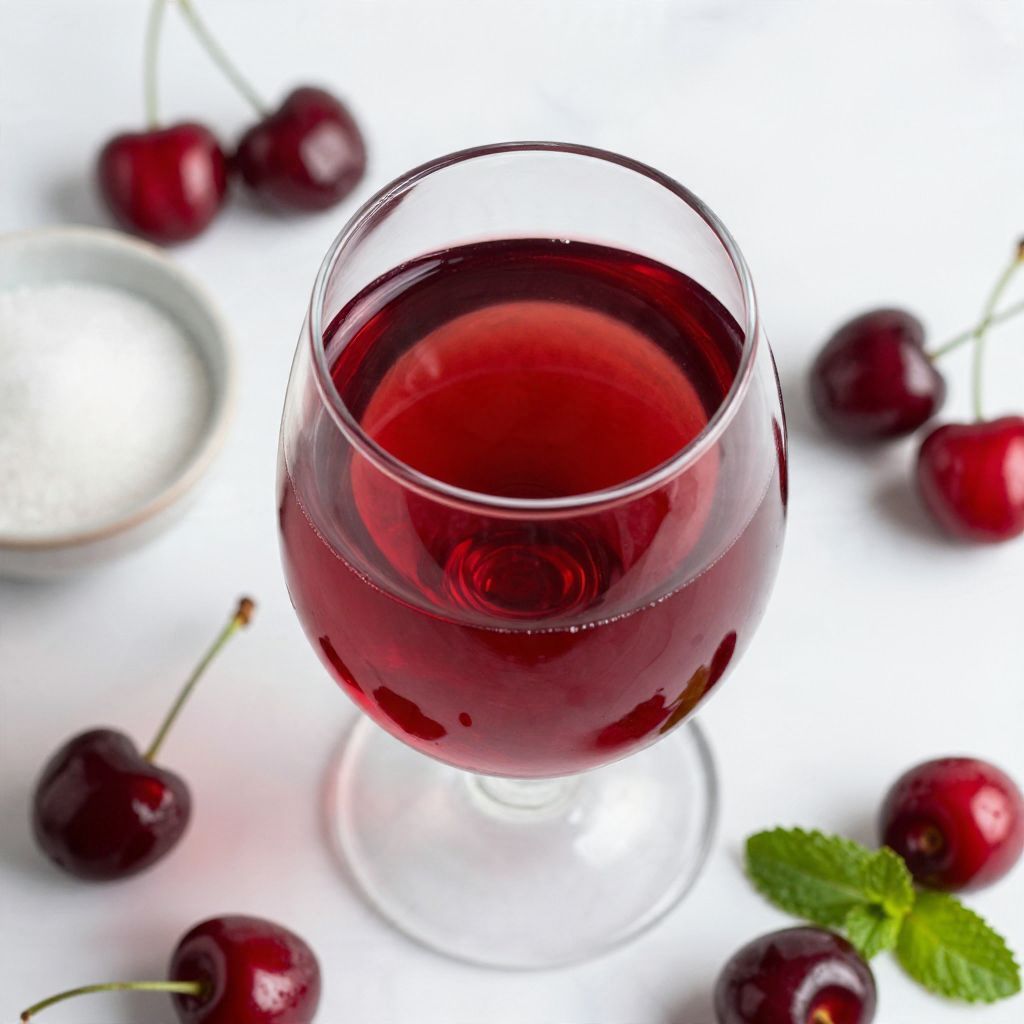
Cherry Juice Wine
Ingredients
Equipment
Method
- Wash your cherries thoroughly to remove any dirt or pesticides. Remove the stems and pits.
- In a large pot, combine the cherries and water. Bring it to a boil, then reduce to a simmer for about 30 minutes.
- After simmering, strain the mixture through a fine strainer or cheesecloth to separate the juice from the solids.
- Add the granulated sugar to the warm cherry juice and stir until dissolved.
- Allow the cherry juice to cool to room temperature.
- Once cooled, sprinkle the yeast over the juice and stir gently.
- Transfer the mixture into your fermentation vessel and seal it with an airlock.
- Place it in a cool, dark area for 4-6 weeks.
- After fermentation is complete, siphon the wine into clean bottles and seal with corks or caps.