
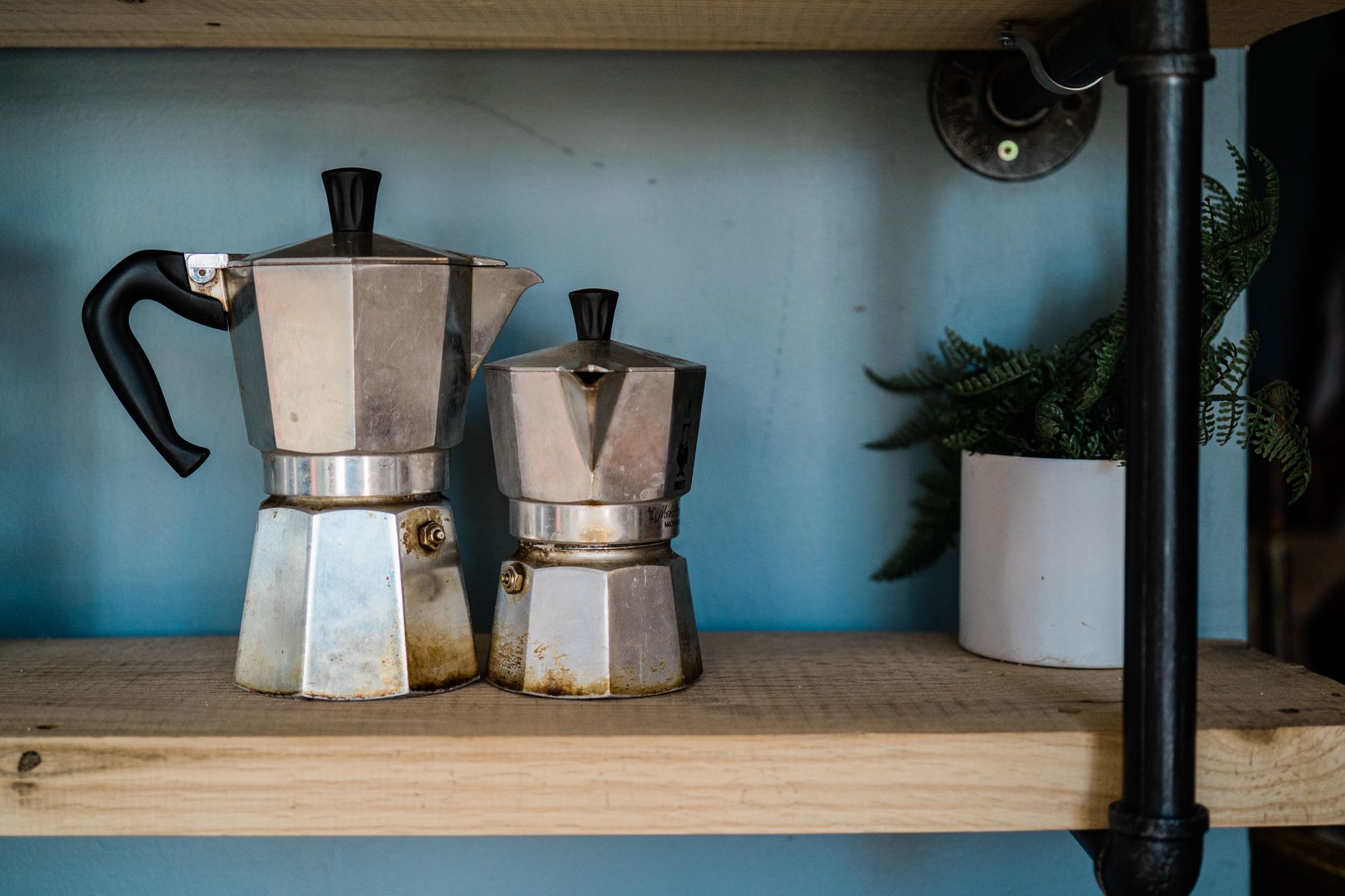
The Moka pot, a popular stovetop coffee maker, is often hailed for producing a strong and bold brew. However, many coffee enthusiasts wonder whether it can truly replicate the authentic espresso experience typically made with an espresso machine. Understanding the capabilities of the Moka pot is essential for those who want to enjoy a rich, coffee-forward drink at home.
This article will explore the functionality of the Moka pot, its differences from traditional espresso brewing, and how to effectively use it to create a brew that closely mimics espresso. We’ll also cover tips, potential pitfalls, and ideas for enhancing your Moka pot coffee experience.
Can You Make Espresso In A Moka Pot?
In short, yes, you can make a brew similar to espresso using a Moka pot. While it doesn’t create the same pressure as an espresso machine, it produces a strong, concentrated coffee that’s somewhat akin to espresso. The resulting flavor may differ in texture and crema, but many find it an excellent alternative for home brewing.
Understanding the Moka Pot and Espresso Differences
Before diving into brewing methods, it’s important to understand the fundamental differences between how espresso is made and how a Moka pot works.
- Pressure: Espresso machines brew coffee by forcing hot water through finely-ground coffee at around 9 bars of pressure. In contrast, a Moka pot operates at much lower pressure—around 1 to 2 bars—resulting in a different extraction process.
- Grind Size: Espresso typically requires a very fine grind size to achieve the proper extraction under high pressure. Moka pots, on the other hand, work best with a medium-fine grind.
- Creaminess: The crema, a foam formed during espresso extraction, contributes to the drink’s rich texture. Moka pot coffee lacks this creamy layer due to the lower pressure and different extraction methods.
Using the Moka Pot
To create a brew reminiscent of espresso using a Moka pot, understanding how to assemble, brew, and serve it correctly is crucial. Below, you’ll find a step-by-step guide.
What You Need
- Moka Pot: Choose the size based on the number of servings you intend to make.
- Coffee: Freshly ground coffee is ideal. Use a medium-fine grind for the best flavor extraction.
- Water: It’s essential to use filtered water if possible for the cleanest taste.
- Heat Source: A stovetop or portable burner.
- Coffee Scale (optional): For precise measurements.
- Serving Cup: To enjoy your coffee after brewing.
Step-by-Step Brewing Method
- Measure Your Ingredients: Use approximately 18-20 grams of coffee for a 3-cup Moka pot. Adjust according to your taste preference and Moka pot size.
- Prepare the Water: Fill the bottom chamber of the Moka pot with water up to the safety valve. Some prefer preheating the water to hasten the brewing process.
- Add Coffee Grounds: Insert the filter basket and fill it with the coffee grounds. Level off the grounds without packing them down to avoid over-extraction.
- Assemble the Pot: Screw the top chamber onto the bottom securely to prevent leaks.
- Heat the Moka Pot: Place the Moka pot on the stovetop over medium heat. The water will begin to boil, and as it does, steam pressure will push the hot water through the coffee grounds.
- Watch for the Brew: Once the coffee starts to come out of the spout, lower the heat slightly to prevent the brew from burning. You’ll hear a gurgling sound when most of the coffee has brewed.
- Remove from Heat: Take the Moka pot off the heat once you’ve heard the gurgling sound, signaling that the brewing process is complete. Allow it to sit for a minute before pouring.
- Serve: Pour your brew into a cup. If desired, you can mix it with steamed milk or enjoy it as is.
Tips for Brewing Moka Pot Coffee
Success with the Moka pot often comes down to technique and attention to detail. Here are some additional tips to help you get the best brew:
- Fresh Coffee: Always use freshly roasted and ground coffee for optimal flavor. Espresso-roasted beans are a popular choice for Moka pots.
- Adjust Grind Size: If your brew tastes bitter, try a coarser grind. If it’s too weak, opt for a finer grind.
- Mind the Heat: Avoid high heat as this can scorch the coffee. Maintain a consistent, moderate heat for best results.
- Experiment with Ratios: Taste your coffee and adjust the coffee-to-water ratio until you find your preferred strength.
- Clean Your Moka Pot: Regularly clean your Moka pot to prevent oils from building up and affecting flavor.
Common Mistakes and Troubleshooting
Even with the right equipment and ingredients, issues can arise during brewing. Here are some common mistakes to avoid and their solutions:
- Over-Extraction: If your coffee tastes bitter, you may be using too fine a grind or brewing for too long. Adjust the grind or reduce the heat.
- Weak Coffee: If your coffee is watery, try using more coffee grounds or a finer grind.
- Clogged Filter: If water isn’t coming through, check the filter for clogs. Make sure it’s clean and free from oils or coffee residue.
- Brewed Coffee Tastes Off: This could be due to old coffee or not cleaning the Moka pot adequately. Ensure you’re using fresh beans and regularly cleaning the equipment.
Enhancing Your Moka Pot Brew
If you’re looking to take your Moka pot coffee to the next level, here are a few ideas for flavor enhancements and variations:
- Add Flavors: Consider adding a pinch of salt to the coffee grounds or infusing spices like cinnamon for a different profile.
- Experiment with Milk: Froth some milk and add it to your Moka pot brew for a creamy cappuccino-like drink.
- Sweeteners and Syrups: Mix in some sugar, flavored syrup, or even flavored creamers for added sweetness.
Serving Suggestions
The way you serve your Moka pot coffee can elevate your overall drinking experience. Here are some suggestions:
- Traditional: Serve in small espresso cups for an authentic experience.
- Pair with Pastries: Enjoy it with Italian pastries like biscotti or cannoli for a delightful pairing.
- Iced Moka Coffee: For hot days, consider making an iced version by cooling your brew and serving it over ice with milk or cream.
Storage Considerations
While the Moka pot itself is easy to store, your coffee beans require specific care to maintain freshness:
- Coffee Storage: Store coffee beans in an airtight container, away from light and heat to retain flavor. Use them within a few weeks of roasting.
- Moka Pot Care: Clean your Moka pot after each use, and store it in a dry place to prevent rust and staining.
Conclusion
Brewing coffee with a Moka pot may not provide the exact espresso experience, but it offers a strong and delightful alternative. With proper techniques, experimentation, and attention to detail, you can create a flavorful cup of coffee that rivals traditional espresso. Start with fresh ingredients, explore different grinding techniques, and serve your coffee in style to maximize your enjoyment. For a delicious Moka pot coffee recipe, you can check out this Moka pot coffee recipe. You can also explore how to make espresso powder for different uses with this guide on espresso powder.