
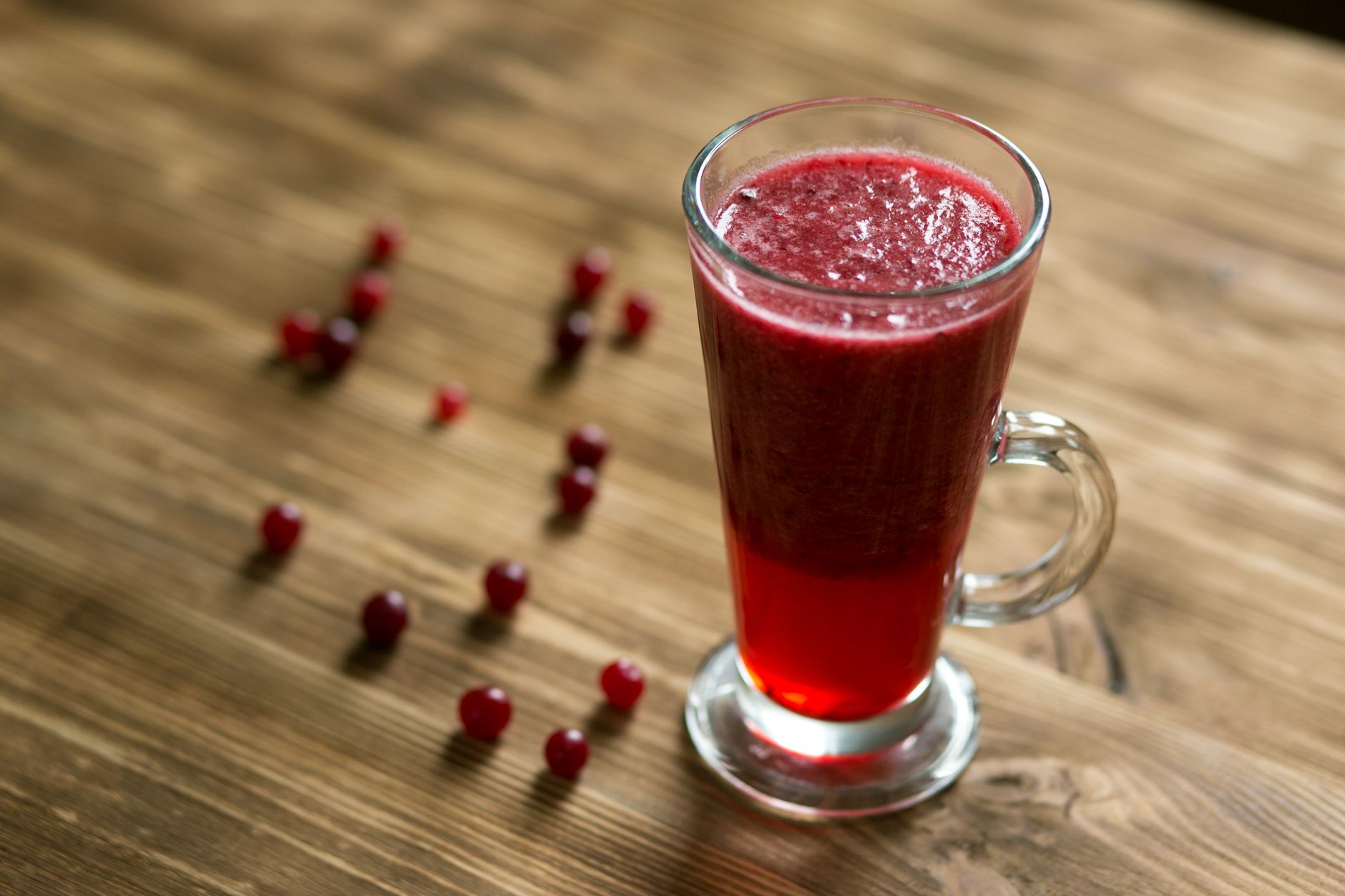
Cranberry juice is a popular drink, often touted for its health benefits, particularly regarding urinary tract health. However, some people may wonder if it can cause adverse effects, such as diarrhea. This article examines the potential link between cranberry juice and digestive issues, including how it interacts with the body and tips for safe consumption.
Understanding whether cranberry juice can cause diarrhea involves looking at its components, effects on digestion, and how individual circumstances can play a role in how this drink is tolerated. Let’s delve into these areas to help you make informed choices when incorporating cranberry juice into your diet.
Can Cranberry Juice Give You Diarrhea?
The short answer is yes; cranberry juice can give some people diarrhea. This effect varies based on individual tolerance, the quantity consumed, and any pre-existing digestive conditions. Cranberry juice contains natural sugars, acids, and compounds that can affect gut health in some individuals.
To explore this further, it is essential to consider the components of cranberry juice and how they may affect digestion.
What Are the Components of Cranberry Juice?
Cranberry juice is made from the fruit of the cranberry plant and is known for its tart flavor. It is rich in several key components:
- Natural Sugars: Cranberry juice contains fructose and glucose, which can lead to digestive upset in large quantities.
- Acids: The juice has a high level of benzoic and citric acids, which can irritate the gastrointestinal tract.
- Fiber: While cranberry juice itself is not a significant source of fiber, whole cranberries contain fiber, which may support digestion in moderation.
- Antioxidants: Cranberries are rich in polyphenols, which have anti-inflammatory properties, but they may also contribute to digestive discomfort in some cases.
How Cranberry Juice Affects Digestion
The digestive system can react differently to various food and drink components. When it comes to cranberry juice, several factors can lead to digestive issues:
High Sugar Content
Many commercially available cranberry juices are sweetened, which increases their sugar content. Consuming excessive amounts of sugar can lead to osmotic diarrhea, where water is drawn into the intestines, resulting in loose stools. People with fructose sensitivity may be particularly prone to this issue.
Acidity
The high acidity levels in cranberry juice can irritate the stomach lining and intestines. For individuals with sensitive digestive systems, particularly those with acid reflux or gastritis, drinking too much cranberry juice may lead to discomfort or diarrhea.
Individual Sensitivities
Everyone’s digestive system is different. Some people may have sensitivities or allergies to components found in cranberry juice, leading to digestive upset. It’s also possible for certain individuals to experience a laxative effect from the natural compounds found in cranberries.
Interference with Medications
Cranberry juice is known to interact with certain medications, particularly blood thinners like warfarin. These interactions can sometimes lead to gastrointestinal distress, including diarrhea. It is essential to consult with a healthcare provider if you are taking medications and wish to include cranberry juice in your diet.
How Much Cranberry Juice Is Safe to Consume?
The appropriate amount of cranberry juice varies depending on individual circumstances. Here are some general guidelines:
- Moderation is Key: Consuming about 8 ounces (one cup) per day is generally considered safe for most people.
- Listen to Your Body: Pay attention to how your body reacts to different amounts of juice.
- Choosing Unsweetened Options: Opt for 100% cranberry juice with no added sugars to reduce the risk of digestive issues.
Tips for Safe Consumption of Cranberry Juice
To enjoy cranberry juice without experiencing adverse effects, consider the following tips:
1. Start Small
If you are new to drinking cranberry juice, start with a small amount (3-4 ounces) to see how your body reacts. Gradually increase the quantity if you tolerate it well.
2. Choose Quality Brands
Look for brands that offer pure, unsweetened cranberry juice. Avoid juices with high fructose corn syrup or excessive added sugars, which can exacerbate digestive issues.
3. Stay Hydrated
Stay well-hydrated while consuming cranberry juice. Adequate fluid intake helps support digestion and may mitigate potential laxative effects.
4. Combine with Other Ingredients
Mix cranberry juice with other healthy ingredients like smoothies or dilute it with water to reduce acidity and sugar concentration.
5. Monitor Other Dietary Factors
Be aware of your overall diet. Other foods or drinks consumed alongside cranberry juice may also affect your digestion and contribute to diarrhea.
When to Consult a Doctor
If you experience persistent diarrhea or other digestive issues after consuming cranberry juice, it’s advisable to consult a healthcare professional. This is especially important if you:
- Have a history of digestive issues.
- Are taking medications that may interact with cranberry juice.
- Experience severe or prolonged gastrointestinal symptoms.
Common Mistakes to Avoid
While enjoying cranberry juice, avoid these common pitfalls:
- Excessive Consumption: Don’t overconsume cranberry juice, especially if you are not accustomed to it.
- Ignoring Sugar Content: Be mindful of the sugar content in commercial juices, as high sugar levels can lead to digestive issues.
- Neglecting Other Health Factors: Take other gastrointestinal conditions and medications into account when deciding on cranberry juice.
Alternative Ways to Enjoy Cranberry
If you find that cranberry juice doesn’t agree with you but still want to enjoy cranberries, consider these alternatives:
1. Whole Cranberries
Fresh or dried cranberries can be a great addition to meals or snacks while providing fiber and antioxidants. Moderation is crucial, as dried cranberries often contain added sugars.
2. Cranberry Smoothies
Blend cranberry juice with yogurt, bananas, or leafy greens to create a more balanced drink that may reduce the potential for digestive upset.
3. Cranberry Sauces
Make homemade cranberry sauce to use as a condiment for meats or as a topping for desserts. By controlling the sugar content, you can enjoy cranberries without the potential pitfalls of juice.
4. Cranberry Tea
Brew cranberry tea using dried cranberries or cranberry herbal tea to enjoy the flavor without the sugar rush that comes with juice.
Storage Tips for Cranberry Juice
To maintain the quality and safety of cranberry juice, follow these storage guidelines:
- Refrigeration: After opening, keep cranberry juice refrigerated and consume within 7-10 days.
- Freezing: You can freeze cranberry juice in ice cube trays for later use in smoothies or drinks.
- Check Expiration Dates: Always check the expiration date before consuming commercial cranberry juice.
Wrapping Up
Cranberry juice can potentially lead to diarrhea, especially for those with sensitivities or when consumed in excess. Understanding your body’s reactions, choosing high-quality products, and following the outlined tips can help you integrate cranberry juice into your diet safely. If concerns arise, consulting with a healthcare provider is crucial to ensure that your dietary choices support your overall well-being.
For those looking for delicious ways to use cranberries, explore our guide on canning cranberry juice or check out our antioxidant juice recipe for refreshing drink options that incorporate other healthy ingredients.